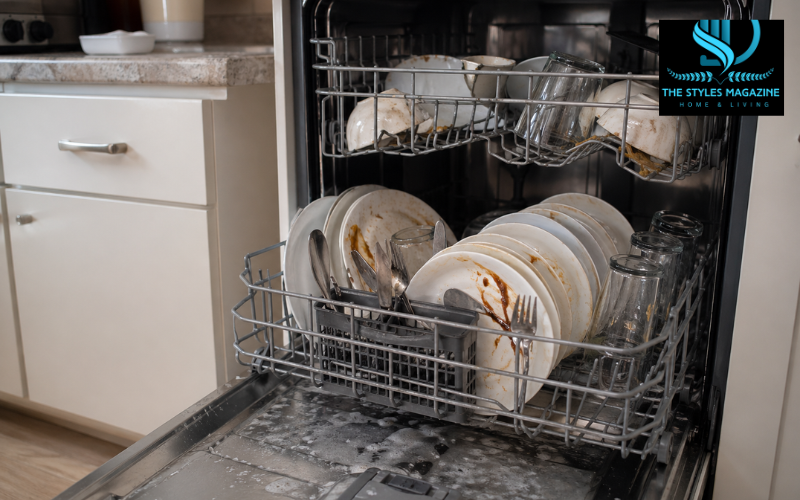
A dishwasher is supposed to make life easier. You load your dirty dishes, press a button, and expect everything to come out clean and spotless. But when your dishwasher is not cleaning, it can be frustrating and confusing. You might find food stuck on plates, cloudy glasses, or detergent that hasn’t even dissolved.
This problem is more common than most people think. Even a well-maintained dishwasher can start underperforming over time due to simple issues like buildup, improper use, or small parts not working as they should. The good news is that in many cases, you don’t need a technician to fix it.
In this guide, you’ll learn why your dishwasher is not cleaning properly, what causes these problems, and how to fix them step by step. We’ll also look at brand-specific issues, practical maintenance tips, and how to keep your dishwasher running efficiently in the long term.
Causes & Fixes
| Problem | Possible Cause | Quick Fix |
| Dishes still dirty | Clogged filter | Clean filter under warm water |
| Weak cleaning performance | Blocked spray arms | Clear holes and ensure free movement |
| Tablet not dissolving | Cold water or blocked dispenser | Run hot water before cycle |
| Top rack not cleaning | Poor water flow | Check spray arm and loading |
| Glasses cloudy or spotty | Hard water or residue | Use rinse aid and better detergent |
Why Your Dishwasher Is Not Cleaning Properly
To understand the problem, it helps to know how a dishwasher works. A dishwasher sprays hot water mixed with detergent through rotating spray arms. This water pressure removes food particles and grease from dishes, which are then drained away. Finally, the machine uses heat to dry everything.
When any part of this process is disrupted, your dishwasher may stop cleaning effectively. For example, if water pressure is weak, the spray arms can’t reach all surfaces. If the water isn’t hot enough, detergent won’t break down grease. If parts are blocked, water simply won’t flow properly.
Most cleaning problems come down to a few common issues. These include blocked filters, clogged spray arms, poor detergent quality, or incorrect loading habits. Sometimes, it’s not a major fault at all—it’s just a small detail that has been overlooked.
The Most Common Causes of a Dishwasher Not Cleaning Dishes
One of the biggest reasons a dishwasher is not cleaning dishes is a dirty filter. The filter is designed to catch food particles, but if it becomes clogged, it can send that debris back onto your dishes. Over time, this buildup can seriously affect cleaning performance.
Blocked spray arms are another frequent issue. These arms have tiny holes that spray water across your dishes. If these holes are clogged with food particles or mineral deposits, the water pressure drops, and dishes won’t be cleaned properly.
Water temperature also plays an important role. Dishwashers rely on hot water to activate detergent and break down grease. If the water entering your dishwasher is too cold, the cleaning process becomes less effective.
Detergent quality matters more than many people realize. Old or low-quality detergent may not dissolve properly, leaving residue behind. This is especially noticeable when your dishwasher is not cleaning and the tablet is not dissolving.
Finally, loading habits can make a big difference. If dishes are stacked too closely or placed incorrectly, water may not reach all surfaces. This can lead to uneven cleaning, even if the dishwasher itself is working fine.
How to Fix a Dishwasher That Is Not Cleaning (Step-by-Step Basics)
If your dishwasher is not cleaning, starting with basic maintenance is often enough to solve the problem. Begin by checking the filter. Remove it from the bottom of the dishwasher and rinse it under warm water. If there is stubborn buildup, gently scrub it with a soft brush.
Next, inspect the spray arms. Make sure they can spin freely and are not blocked by large dishes. If you notice clogged holes, clear them carefully using a small object like a toothpick. This simple step can restore proper water flow.
It’s also important to check your water temperature. Running hot water in your kitchen sink before starting the dishwasher helps ensure the machine begins with hot water right away. This small habit can significantly improve cleaning results.
Using a high-quality dishwasher cleaner can also help remove grease, limescale, and hidden buildup inside the machine. Regular cleaning keeps internal parts working smoothly and improves overall performance.
If your dishwasher still struggles after these steps, try resetting it by turning it off for a few minutes and restarting the cycle. Sometimes, minor electronic glitches can affect performance, and a simple reset can fix them.
Dishwasher Not Washing Dishes But Water Is Running
If you notice that your dishwasher is not washing dishes but water is running, it usually means the machine is filling with water but not circulating it properly. This can happen when the spray arms are not working as they should or when water pressure is too low.
In some cases, the problem may be related to the pump that pushes water through the system. If the pump is weak or partially blocked, water won’t reach the dishes with enough force to clean them.
You can start troubleshooting at home by checking for visible blockages and ensuring nothing is stopping the spray arms from moving. Also, listen carefully during a cycle. If you don’t hear the usual spraying sound, it could indicate a circulation issue.
Dishwasher Not Cleaning Top Rack Properly
A common complaint is that the dishwasher is not cleaning the top rack properly while the bottom rack seems fine. This often happens because the top rack depends heavily on proper water pressure and spray arm alignment.
If the spray arm that directs water upward is blocked or misaligned, the top rack may not receive enough water. This leads to dishes that come out dirty or only partially cleaned.
Another reason could be improper loading. Tall items placed in the bottom rack can block water from reaching the top. Adjusting how you load your dishwasher can make a noticeable difference in cleaning performance.
Dishwasher Not Cleaning Glasses Properly
When your dishwasher is not cleaning glasses properly, the result is often cloudy, spotty, or dull-looking glassware. This problem is usually caused by hard water, detergent residue, or etching.
Hard water leaves mineral deposits on glasses, which can make them look dirty even after washing. Using a rinse aid helps reduce these spots and improves drying results.
Detergent also plays a role. If the detergent doesn’t dissolve fully or is not suited to your water type, it can leave a film on glasses. Choosing the right product and using the correct amount can improve clarity.
To keep glasses looking clean, it’s also important to avoid overcrowding. Glasses need space for water to reach all surfaces and rinse away residue effectively.
Dishwasher Not Cleaning and Tablet Not Dissolving
If your dishwasher is not cleaning and the tablet is not dissolving, the issue is often related to water temperature or a blocked detergent dispenser.
Detergent tablets need hot water to dissolve properly. If the water is too cold, the tablet may remain partially intact, leaving dishes dirty. Running hot water before starting the cycle can help solve this problem.
Another common cause is a blocked dispenser door. If large dishes are placed in front of the detergent compartment, the door may not open fully during the cycle. This prevents the detergent from being released at the right time.
Making small adjustments to loading and ensuring proper water temperature usually resolves this issue quickly.
Why Your Dishwasher Is Not Cleaning or Drying Properly
Sometimes, the problem is not just cleaning but also drying. If your dishwasher is not cleaning or drying properly, it may be due to issues with heat or airflow.
Cleaning relies on hot water, while drying depends on heat and proper ventilation. If the heating element is not working correctly, dishes may come out both dirty and wet.
Rinse aid can also improve drying performance by helping water slide off surfaces more easily. Without it, water droplets may remain on dishes, especially on plastic items.
Improving drying often comes down to simple steps like using rinse aid, choosing the right cycle, and allowing the dishwasher to complete its full drying phase.
Brand-Specific Issues: Whirlpool and Frigidaire Dishwashers
Different dishwasher brands can have their own common issues. For example, a Whirlpool dishwasher not cleaning may often be linked to spray arm blockages or filter buildup. Regular cleaning usually helps restore performance.
In the case of a Frigidaire dishwasher not cleaning, users sometimes experience issues with water pressure or detergent distribution. These problems can often be traced back to internal blockages or worn parts.
While the basic troubleshooting steps are similar across brands, some problems may require checking brand-specific components. In such cases, referring to the user manual or seeking professional help can be useful.
How to Improve Dishwasher Performance Long-Term
Keeping your dishwasher in good condition doesn’t require complicated steps. Simple habits can go a long way in preventing problems.
Loading dishes correctly ensures water can reach all surfaces. Avoid overcrowding and make sure items are positioned to allow proper water flow.
Choosing the right detergent and using a dishwasher cleaner regularly helps maintain performance. These products prevent buildup and keep internal parts clean.
Routine maintenance, such as cleaning the filter and checking spray arms, should be done regularly. This prevents small issues from turning into bigger problems.
By following these habits, you can reduce the chances of your dishwasher not cleaning properly in the future.
When a Dishwasher Needs Professional Repair
While many issues can be fixed at home, some problems require professional attention. If you notice unusual noises, standing water that won’t drain, or a complete lack of cleaning despite maintenance, it may be time to call a technician.
A faulty motor, damaged pump, or electrical issue can affect how your dishwasher works. These problems are not always easy to fix without proper tools and experience.
A professional technician can diagnose the issue accurately and recommend the best solution. In some cases, repairing a part may be enough, while in others, replacement might be necessary.
Conclusion
When your dishwasher is not cleaning, it doesn’t always mean something is seriously wrong. In most cases, the problem comes down to simple issues like clogged filters, blocked spray arms, or improper use.
By understanding how your dishwasher works and following basic maintenance steps, you can often restore its performance quickly. Paying attention to water temperature, detergent quality, and loading habits makes a noticeable difference.
The key takeaway is that most dishwasher cleaning problems are fixable. With the right approach and regular care, your dishwasher can continue to deliver clean, spotless dishes every time.
FAQs
Why Is My Dishwasher Not Cleaning Dishes Properly?
This usually happens due to clogged filters, blocked spray arms, or poor loading. Low water temperature and weak detergent can also reduce cleaning performance significantly.
Why Is My Dishwasher Running But Not Washing?
If water is running but dishes stay dirty, the spray arms or pump may not be working properly, preventing water from reaching dishes with enough pressure.
Why Is The Dishwasher Tablet Not Dissolving?
This often happens when water isn’t hot enough or the detergent compartment is blocked by dishes, stopping the tablet from releasing at the right time.
Why Is My Dishwasher Not Cleaning The Top Rack?
The top rack depends on proper water flow. Blocked spray arms or incorrect loading can prevent water from reaching upper dishes effectively.
Can I Fix A Dishwasher Not Cleaning At Home?
Yes, most issues can be fixed at home by cleaning filters, unclogging spray arms, improving loading habits, and using the right detergent.
Enjoyed it? Find more exclusive content on The Styles Magazine.
Disclaimer: This content is for informational purposes only. While we aim to provide accurate and helpful advice, results may vary depending on your appliance model. For serious or technical issues, always consult a qualified technician.