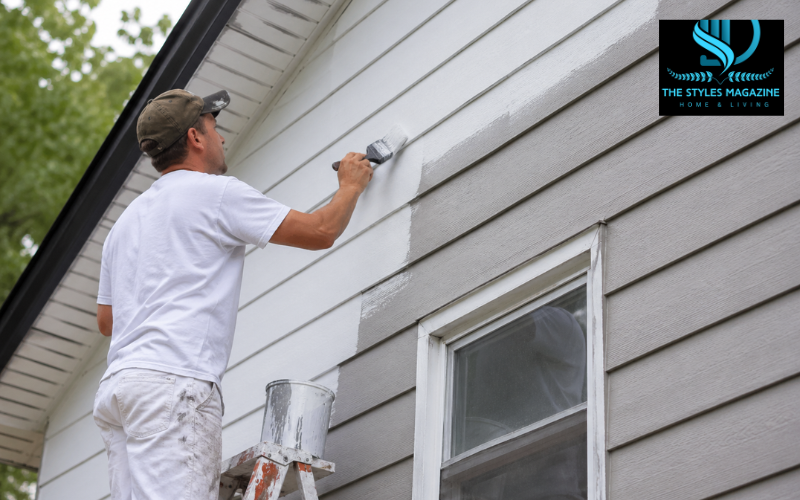
Painting aluminum siding is a simple idea: instead of replacing your home’s exterior, you refresh it by applying a new coat of paint. Over time, aluminum siding can fade, develop a chalky surface, or look outdated. Painting brings it back to life without the high cost of installing new materials.
Many homeowners choose painting aluminum siding because it is far more affordable than replacement. In most cases, it can cost 50–70% less than installing new siding. Beyond saving money, it also offers flexibility. You can completely change the look of your home by choosing a new color, whether that’s a modern neutral or something bold like white for a clean, updated appearance.
However, it’s important to have realistic expectations. Painting aluminum siding is not a permanent fix. When done correctly, it can last around 10 to 15 years, but it depends heavily on preparation, materials, and weather conditions. The process also requires effort, especially in cleaning and surface preparation.
Still, the transformation can be impressive. A faded, worn exterior can look fresh and modern again, creating a noticeable “before and after” difference that improves both appearance and value. For many homeowners, this balance of cost, durability, and visual improvement makes painting aluminum siding a practical and attractive option.
Painting Aluminum Siding Overview
| Aspect | Key Details |
| Cost | $1.50–$4.00 per sq. ft. |
| Lifespan | 10–15 years with proper prep |
| Best Paint | 100% acrylic latex exterior |
| Prep Work | Cleaning, sanding, priming |
| Tools | Roller, brush, or sprayer |
| Best Weather | 10°C–30°C, dry conditions |
| Difficulty | Moderate (DIY possible) |
Is Painting Aluminum Siding the Right Choice for Your Home?
Painting aluminum siding works best when the structure itself is still in good condition. If your siding is intact, with only minor dents or fading, painting is a smart and cost-effective solution. It allows you to extend the life of your existing exterior without investing in a full replacement.
It’s also a good choice if your main concern is appearance. If the color looks outdated or uneven, a fresh coat of paint can completely change how your home feels. Many homeowners use painting as a way to modernize older properties without major renovations.
However, painting aluminum siding is not always the right option. If the siding has severe corrosion, large dents, or structural damage, paint will not fix these issues. In such cases, painting may only hide problems temporarily, and replacement becomes a better long-term solution.
There are also situations where painting aluminum siding can be considered a bad idea. For example, if the surface is heavily chalked and not properly cleaned, the paint may not stick well. Similarly, if the siding is warped or loose, the results may look uneven and not last long.
A simple way to decide is to inspect the surface closely. If it feels solid, shows only minor wear, and can be cleaned effectively, it is likely paintable. If damage goes deeper than the surface, replacement may be the smarter investment.
Painting Aluminum Siding vs Replacing With Vinyl: What Makes More Sense?
One of the biggest decisions homeowners face is whether to paint aluminum siding or replace it with vinyl. The answer depends on your budget, goals, and the condition of your current siding.
From a cost perspective, painting is clearly the more affordable option. It usually costs between $1.50 and $4.00 per square foot, while replacing siding can cost thousands more depending on the size of the home. For homeowners looking for a quick and budget-friendly upgrade, painting is often the first choice.
In terms of durability, vinyl siding has the advantage. It can last 30 to 40 years or more with minimal maintenance, while painted aluminum siding typically lasts around 10 to 15 years before needing another coat. This makes replacement more appealing for those planning long-term improvements.
Appearance is another factor to consider. Painting aluminum siding offers unlimited color choices, allowing you to customize your home exactly as you want. Vinyl siding, on the other hand, comes in pre-made colors, which may limit your options.
Maintenance also plays a role. Painted surfaces may require occasional touch-ups, while vinyl siding generally needs only basic cleaning. However, painting allows you to refresh the look whenever trends or preferences change.
Replacement becomes the better choice when the siding is badly damaged or when you want a long-term solution with minimal upkeep. Painting, on the other hand, is ideal when the siding is still in good condition and you want a cost-effective way to improve its appearance.
Understanding the Real Cost of Painting Aluminum Siding
The cost of painting aluminum siding can vary depending on several factors, but it remains one of the most budget-friendly ways to upgrade a home’s exterior. On average, homeowners can expect to pay between $1.50 and $4.00 per square foot.
Several elements influence the final cost. The size of the home is the most obvious factor, but preparation work also plays a big role. Cleaning, sanding, and repairing the surface can increase labor time, which adds to the overall price. The quality of paint and primer you choose will also affect the cost, as higher-quality materials tend to last longer.
Another important factor is whether you choose to do it yourself or hire professionals. DIY painting aluminum siding can save money upfront, but it requires time, effort, and the right tools. Mistakes during preparation or application can reduce the lifespan of the paint job.
Professional painting costs more, but it often delivers better and longer-lasting results. Experts know how to handle surface preparation, choose the right materials, and apply paint evenly, which can make a noticeable difference in the final outcome.
When considering long-term cost efficiency, painting aluminum siding still stands out. Even though it may need to be redone after a decade or so, the initial savings compared to replacement make it a practical option for many homeowners.
How Proper Preparation Impacts Your Final Results
Preparation is the most important part of painting aluminum siding. Even the best paint will fail if the surface is not properly prepared.
One of the key steps is cleaning. Over time, aluminum siding develops a chalky residue that can prevent paint from sticking. This layer must be removed completely, usually with a pressure washer or a cleaning solution, to ensure proper adhesion.
After cleaning, the surface should be inspected for any damage. Small dents can be filled, and areas with rust or corrosion should be treated. Fixing these issues before painting helps create a smoother and more durable finish.
Sanding is another step that improves results. Light sanding creates a slightly rough surface, which helps the primer and paint bond better. This is especially important on smooth or glossy areas.
Some homeowners wonder if painting aluminum siding without sanding is possible. In certain cases, it can be done if the surface is already slightly rough and properly cleaned. However, skipping sanding can increase the risk of peeling or uneven coverage over time. For the best results, at least light sanding is recommended.
Choosing the Right Materials for a Long-Lasting Finish
The materials you choose have a direct impact on how long your paint job lasts. For painting aluminum siding, flexibility is key because metal expands and contracts with temperature changes.
Acrylic latex exterior paint is widely considered the best option. It is flexible, durable, and resistant to fading. This type of paint moves with the siding rather than cracking under pressure.
Primer is equally important. A metal-bonding primer helps the paint stick to the surface and improves durability. In some cases, self-etching primers are used to create a stronger bond, especially on bare metal areas.
The finish also matters. Satin and eggshell finishes are popular choices because they strike a balance between durability and appearance. They are easier to clean than flat paint and better at hiding minor imperfections than high-gloss finishes.
Color selection can also influence the final result. Painting aluminum siding white is a common choice because it reflects heat and creates a clean, modern look. Lighter colors generally last longer as they are less likely to fade compared to darker shades.
Step-by-Step Process for Painting Aluminum Siding Exterior
The process of painting aluminum siding exterior involves several stages, each of which contributes to the final result.
It begins with thorough cleaning to remove dirt, chalking, and debris. This step ensures that the surface is ready to accept paint. After cleaning, the siding should be allowed to dry completely.
Next comes priming. Applying a bonding primer creates a strong base for the paint and helps achieve even coverage. It is important to let the primer dry fully before moving on to the next step.
The painting stage involves applying thin, even coats. Two coats are usually recommended to achieve consistent color and durability. Applying paint carefully helps prevent drips and uneven patches.
Weather conditions also play a role. Painting aluminum siding should be done in moderate temperatures, ideally between 10°C and 30°C, with low humidity. Extreme heat or cold can affect how the paint dries and adheres to the surface.
Painting Aluminum Siding With a Roller vs Sprayer
Choosing between a roller and a sprayer can affect both the process and the final appearance of your project.
A roller is a practical choice for many homeowners. It is easier to control, requires less setup, and works well for smaller areas. Painting aluminum siding with a roller can produce good results if applied carefully, but it may leave slight texture marks.
A sprayer, on the other hand, provides a smoother and more professional finish. It allows for even coverage and works faster on large surfaces. However, it requires more preparation, including masking surrounding areas to avoid overspray.
To avoid streaks and uneven texture, it is important to apply paint in thin layers and maintain a consistent technique. Working in sections and keeping a steady pace helps achieve a uniform finish.
For those aiming for a professional look, a sprayer is often the better option. However, a roller can still deliver solid results when used correctly.
Before and After: What Kind of Results Can You Expect?
The transformation from painting aluminum siding can be quite dramatic. A faded or outdated exterior can become clean, modern, and visually appealing with the right approach.
The final result depends on several factors, including color choice and finish. Lighter colors tend to make homes look brighter and more spacious, while darker tones can create a bold and modern appearance.
However, not all results are perfect. Common mistakes, such as poor surface preparation or uneven application, can lead to peeling or patchy finishes. These issues can reduce the overall impact of the project.
When done correctly, the before and after difference can significantly improve curb appeal and even increase property value. This is one of the main reasons why painting aluminum siding remains a popular choice among homeowners.
Common Mistakes to Avoid When Painting Aluminum Siding
There are several mistakes that can reduce the quality and lifespan of a paint job.
One of the most common issues is skipping proper cleaning. Without removing dirt and chalking, the paint may not stick properly. Using the wrong type of paint is another mistake, as not all paints are suitable for metal surfaces.
Applying thick coats instead of thin, even layers can lead to drips and uneven drying. It may seem faster, but it often creates more problems in the long run.
Weather conditions are also important. Painting in extreme temperatures or high humidity can affect how the paint adheres and dries. Choosing the right time to paint is just as important as the process itself.
Avoiding these mistakes can make a significant difference in achieving a smooth and long-lasting finish.
How Long Does Painted Aluminum Siding Last?
With proper preparation and quality materials, painted aluminum siding can last between 10 and 15 years. This lifespan depends on factors such as climate, maintenance, and the quality of the initial application.
Regular maintenance can help extend the life of the paint. Cleaning the siding occasionally and addressing small issues early can prevent larger problems from developing.
Over time, signs of wear will appear. Fading, peeling, or chalking are common indicators that it may be time for repainting. Addressing these signs early can help maintain the appearance and protect the surface.
While painting is not a permanent solution, it offers a long-lasting and cost-effective way to keep your home looking fresh.
Conclusion: Making a Smart, Long-Term Decision for Your Home Exterior
Painting aluminum siding is a practical solution for homeowners looking to improve their home’s appearance without spending a large amount on replacement. It offers a balance between cost, flexibility, and durability when done correctly.
The key to success lies in proper preparation, choosing the right materials, and applying the paint under suitable conditions. While it requires effort, the results can be highly rewarding, especially when the transformation is visible in both appearance and value.
For homes with siding in good condition, painting remains a smart and effective option. By understanding what works and what to avoid, homeowners can make informed decisions and achieve results that last for years.
FAQs
Can You Paint Aluminum Siding Without Sanding?
Yes, but it’s not ideal. Light sanding improves paint adhesion and durability. Skipping it may lead to peeling or uneven results over time, especially on smooth or glossy surfaces.
How Long Does Painting Aluminum Siding Last?
A properly done paint job can last 10–15 years. The lifespan depends on preparation, paint quality, and weather exposure. Regular maintenance can help extend the results even further.
Is Painting Aluminum Siding A Bad Idea?
Not usually. It becomes a bad idea only when siding is heavily damaged, rusted, or poorly prepared. In good condition, painting is a cost-effective and practical upgrade.
What Is The Best Color For Aluminum Siding?
Lighter colors like white are popular because they reflect heat and fade less over time. However, the best color depends on your home style and personal preference.
Should I Paint Aluminum Siding Or Replace It?
Painting is cheaper and works well if siding is in good condition. Replacement is better for severely damaged or old siding when you want a long-term, low-maintenance solution.
Enjoyed it? Find more exclusive content on The Styles Magazine.
Disclaimer: This article is for informational purposes only. Results may vary based on materials, climate, and application methods. Always follow manufacturer instructions and consider professional advice for complex or large-scale projects.