Flat paint on walls is one of those choices that often goes unnoticed—until you see what it can do. Unlike glossy or shiny finishes, flat paint has almost no shine at all. It gives walls a soft, smooth look that feels calm and understated. Many homeowners choose it not because it stands out, but because it quietly improves the overall appearance of a room.
One of the main reasons people consider flat paint on walls is its ability to hide imperfections. If your walls have small bumps, patches, or uneven textures, flat paint can make them less visible. This makes it especially appealing for older homes or spaces that haven’t had perfect finishing work.
What sets flat paint apart from other finishes is how it interacts with light. Instead of reflecting light, it absorbs it. This simple difference changes how the color looks and how smooth the wall appears.
In this article, you’ll learn what flat paint really is, where it works best, how it compares to other finishes, and how to maintain it. By the end, you’ll have a clear idea of whether flat paint on walls is the right choice for your space.
Flat vs Eggshell Paint
| Feature | Flat Paint on Walls | Eggshell Paint |
| Sheen Level | 0–2% (no shine) | Slight soft sheen |
| Appearance | Smooth, matte, rich color | Slightly reflective |
| Hides Imperfections | Excellent | Moderate |
| Durability | Low | Medium |
| Cleanability | Difficult | Easier to clean |
| Best For | Bedrooms, ceilings | Living rooms, hallways |
What Flat Paint on Walls Really Means (And How It Looks in Real Spaces)
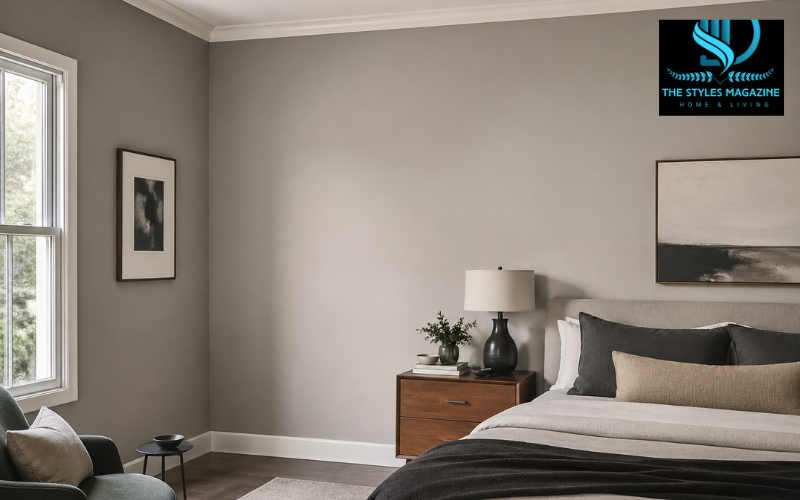
Flat paint, also known as matte paint, is defined by its very low sheen level—usually between 0% and 2%. This means it has almost no reflective quality. When you look at a wall painted with a flat finish, you won’t see light bouncing off the surface. Instead, the color appears soft and even.
In real spaces, this creates a calm and slightly velvety look. Colors tend to appear deeper and richer because there is no glare to distract from them. A deep blue, for example, will feel more solid and grounded in a flat finish than it would in a shinier one.
Lighting plays an important role in how flat paint on walls looks. In rooms with strong natural light, flat paint reduces harsh reflections and creates a more balanced feel. In dim lighting, it can make walls feel warmer and more muted.
The overall effect is subtle but powerful. Flat paint doesn’t demand attention, but it helps create a clean and cohesive background for furniture, artwork, and décor.
Why Flat Paint Is Known for Hiding Wall Imperfections
One of the biggest advantages of flat paint on walls is how well it hides flaws. This comes down to how it handles light. Because it absorbs light instead of reflecting it, small imperfections don’t cast shadows or highlights that make them stand out.
Walls often have minor issues like patch marks, uneven plaster, or a slight “orange peel” texture. In a glossy finish, these details become more noticeable because light reflects off them at different angles. With flat paint, those same imperfections blend into the surface.
This is why flat paint is often recommended for older homes or rooms that haven’t been perfectly refinished. It allows you to improve the appearance of walls without needing extensive sanding or repair work.
Even in newer homes, flat paint can be useful in areas where a smooth, flawless look is hard to achieve. It offers a simple way to create a more uniform appearance without extra effort.
The Pros and Cons of Using Flat Paint on Walls
Flat paint on walls offers clear benefits, but it also comes with a few trade-offs that are important to understand.
On the positive side, its appearance is one of its strongest features. It provides a smooth, non-reflective finish that makes colors look rich and consistent. It also tends to offer good coverage, which can sometimes mean fewer coats are needed during application.
However, the same qualities that make flat paint visually appealing also make it less durable. Because it has no protective sheen, it is more prone to marks and scuffs. Over time, areas that are touched or rubbed frequently may develop a slightly shiny appearance, a process often called burnishing.
Cleaning can also be a challenge. Unlike satin or eggshell finishes, flat paint does not respond well to scrubbing. Trying to clean a stain can sometimes make it more noticeable or damage the finish.
For this reason, flat paint is best suited for spaces where durability is not the main concern. Understanding these strengths and limitations helps set realistic expectations and prevents disappointment later.
Flat Paint on Walls vs Eggshell: What Actually Makes the Difference
When choosing a wall finish, many people compare flat paint on walls with eggshell paint. While they may seem similar at first, they perform quite differently in everyday use.
Flat paint has almost no sheen, while eggshell has a slight, soft shine. This small difference changes how each finish behaves. Eggshell reflects a bit of light, which makes it more resistant to wear and easier to clean. Flat paint, on the other hand, offers better coverage of imperfections but is more delicate.
In terms of maintenance, eggshell is often the more practical choice for busy areas. It can handle light cleaning without damaging the surface. Flat paint is better suited for spaces where walls are less likely to be touched.
In real-life scenarios, flat paint works well in quiet rooms where appearance matters most, while eggshell is often used in hallways, living areas, or homes with children and pets. The decision usually comes down to balancing visual softness with everyday durability.
Best Rooms and Situations for Flat Paint on Walls
Flat paint on walls is not meant for every room, but in the right setting, it can make a noticeable difference.
In living rooms, especially those used for relaxing or entertaining rather than heavy daily activity, flat paint can create a refined and comfortable atmosphere. It works particularly well when you want the walls to feel calm and not compete with furniture or décor.
Bedrooms are another ideal space. Since these rooms usually have less traffic, the lower durability of flat paint is less of a concern. The soft finish also contributes to a restful environment.
Ceilings are perhaps the most common place for flat paint. Its non-reflective quality prevents glare from lights and helps create a smooth, even look overhead.
However, there are places where flat paint should generally be avoided. Kitchens, bathrooms, and high-traffic hallways tend to require finishes that can handle moisture, stains, and frequent cleaning. In these areas, a slightly more durable option is often a better choice.
Interior vs Exterior: Can Flat Paint Be Used Outside?
Flat paint is mostly associated with interior walls, but it can also be used outdoors in certain situations. Exterior flat paint on walls is designed differently from interior versions. It is made to withstand weather conditions such as sunlight, rain, and temperature changes.
The main difference lies in the formula. Exterior flat paint includes additives that improve durability and resistance to fading. Even so, it still has the same low-sheen appearance that defines flat finishes.
One limitation is that exterior flat paint may not be as resistant to dirt as glossier finishes. Because it absorbs light, it can also make surfaces look dull over time if exposed to heavy dust or pollution.
For this reason, it is often used on surfaces where a soft, natural look is preferred, rather than on areas that require frequent cleaning or strong resistance to the elements.
Choosing the Best Flat Paint on Walls for Long-Lasting Results
Not all flat paints are the same, and choosing the right one can make a big difference in how your walls look and perform over time.
A good-quality flat paint will provide even coverage and consistent color. It should go on smoothly and reduce the need for multiple coats. Higher-quality options often include improved binders that help the paint adhere better and last longer.
In recent years, many brands have introduced washable or scrubbable matte paints. These products aim to combine the soft look of flat paint with the durability of finishes like eggshell or satin. They are especially useful in homes where walls may need occasional cleaning.
When selecting a flat paint, it’s worth considering factors like coverage, ease of application, and how well it holds up over time. Spending a little more on quality can lead to better results and fewer touch-ups in the future.
White Flat Paint on Walls: Why It’s So Popular
White flat paint on walls has become a popular choice in many homes, especially in modern and minimalist designs. Its appeal lies in its ability to create a clean and open feel.
Because flat paint does not reflect light, white walls appear soft rather than harsh. This helps reduce glare and makes spaces feel more comfortable, even in bright rooms. It also allows natural light to spread evenly, enhancing the sense of space.
White flat paint works particularly well in living rooms, bedrooms, and ceilings. It provides a neutral background that pairs easily with different styles of furniture and décor.
However, it is important to keep in mind that white flat paint can show marks more easily than darker colors. Regular maintenance or occasional touch-ups may be needed to keep it looking fresh.
How to Clean Flat Paint on Walls Without Damaging the Finish
Cleaning flat paint on walls requires a gentle approach. Because the surface is delicate, harsh cleaning methods can cause more harm than good.
The main challenge is that flat paint does not resist moisture or friction well. Scrubbing too hard can leave shiny spots or remove the paint altogether. This is why it’s important to use soft materials and minimal pressure.
A slightly damp cloth is often enough for light marks. For tougher stains, a mild cleaning solution can be used carefully, but it’s always best to test a small area first.
In many cases, touch-ups are a better solution than cleaning. Applying a small amount of the original paint can restore the wall’s appearance without risking damage to the finish.
Modern Alternatives: Washable Matte and Scrubbable Flat Finishes
As painting technology has improved, new options have emerged that offer the look of flat paint with better performance. Washable matte and scrubbable flat finishes are designed to address the main weaknesses of traditional flat paint.
These modern paints use advanced resins that make the surface more resistant to stains and wear. While they still have a low-sheen appearance, they can handle light cleaning without losing their finish.
This makes them a practical choice for families, pet owners, or anyone who wants the soft look of flat paint without the usual maintenance concerns.
They are especially useful in living rooms, bedrooms, and even some moderately busy areas where traditional flat paint might not hold up as well.
Conclusion: Is Flat Paint on Walls the Right Choice for Your Space?
Flat paint on walls offers a unique combination of softness and simplicity. It excels at creating a smooth, even look and hiding imperfections that might otherwise stand out. In the right setting, it can quietly transform a room and enhance its overall feel.
At the same time, it is not the most durable option. It requires careful handling and is best suited for areas where walls are less likely to be touched or cleaned frequently.
Choosing flat paint ultimately comes down to your priorities. If you value a refined, non-reflective finish and have walls that could benefit from a little visual smoothing, it can be an excellent choice. If durability and easy maintenance are more important, exploring modern matte alternatives may be the better path.
By understanding both its strengths and its limits, you can decide with confidence whether flat paint on walls fits your home and your lifestyle.
FAQs
Is Flat Paint On Walls A Good Choice For Living Rooms?
Yes, flat paint works well in living rooms with low traffic. It creates a soft, elegant look and hides imperfections, but may not be ideal if walls are frequently touched or need regular cleaning.
Why Is Flat Paint Harder To Clean Than Other Finishes?
Flat paint lacks a protective sheen, so scrubbing can damage the surface or leave shiny spots. Gentle cleaning is possible, but stains often require touch-ups instead of wiping.
Can I Use Flat Paint On Walls In High-traffic Areas?
It’s not recommended. Flat paint can wear quickly in busy areas like hallways or kitchens. A more durable finish like eggshell or washable matte is usually a better option.
Does Flat Paint Make Walls Look Darker Or Lighter?
Flat paint can make colors appear deeper and richer because it absorbs light. It reduces glare, which can sometimes make a room feel softer rather than brighter.
What Is The Best Alternative To Flat Paint On Walls?
Washable matte or scrubbable flat finishes are great alternatives. They offer a similar soft look but with improved durability and easier cleaning, making them more practical for modern homes.
Enjoyed it? Find more exclusive content on The Styles Magazine.
Disclaimer: This content is for informational purposes only. Results may vary depending on surface condition, paint quality, and application methods. Always follow manufacturer instructions or consult a professional before starting any painting project.