Floorboards sinking is a common issue in many homes, especially older properties or houses exposed to moisture and shifting ground conditions. At first, it may seem like a small inconvenience, but it often points to deeper structural problems that need attention.
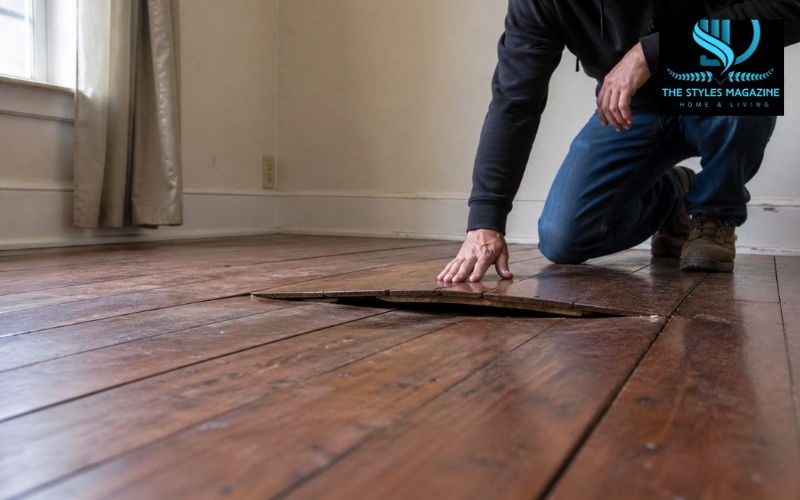
When floorboards begin to sink, you might notice that parts of your floor feel uneven or slightly sloped. Some areas may feel soft or bouncy when you walk over them, while others may show small gaps near the edges where the floor meets the wall. These changes can develop slowly, making them easy to ignore at first.
However, ignoring sinking floorboards can lead to more serious damage over time. What starts as a minor dip in the floor could eventually affect the stability of your home. Addressing the problem early helps prevent expensive repairs and ensures your home remains safe and comfortable.
Floorboards Sinking (Causes & Fixes)
| Problem Cause | What It Means | Recommended Fix |
| Moisture & Timber Rot | Wood weakens due to damp conditions | Dry area + replace or reinforce joists |
| Foundation Settlement | Soil shifts under the house | Underpinning or foundation repair |
| Weak Support Structures | Beams or piers lose strength | Install support jacks or new beams |
| Pest Damage | Termites weaken wooden structure | Pest treatment + wood replacement |
| Subfloor Voids | Empty spaces under flooring | Foam/resin injection to level surface |
Early Signs Your Floorboards Are Sinking
One of the first signs of floorboards sinking is a noticeable unevenness in the floor. You may feel a slight slope when walking across a room, or notice that furniture does not sit level anymore. This change can be subtle at first but tends to become more obvious over time.
Another common sign is the presence of soft or bouncy spots underfoot. When you step on certain areas, the floor may feel less solid than usual. This often indicates weakening beneath the surface, such as damaged joists or subflooring.
Gaps forming near skirting boards or walls are also a clear warning sign. As the floor sinks, it may pull away from surrounding structures, creating visible spaces that were not there before.
In some cases, doors and windows may start sticking or become difficult to open and close. This happens because structural movement affects the alignment of the entire house, not just the floor.
What Causes Floorboards to Sink Over Time
There are several reasons why floorboards sinking can occur, and often it is a combination of factors rather than a single issue.
Moisture is one of the most common causes. When water collects in crawl spaces or under the floor, it can lead to timber rot. Over time, wooden joists and beams weaken, soften, and lose their ability to support weight properly.
Foundation movement is another major factor. If the soil beneath your home shifts or settles unevenly, the foundation can sink or tilt. This movement directly affects the floor structure above, causing sections to drop.
Weak or damaged support structures can also contribute. Support beams or piers may shift, sink into soft ground, or simply wear out over time. When they can no longer hold the load effectively, the floor above begins to sag.
Pests such as termites or carpenter ants can silently damage the wood beneath your floor. By eating through structural timber, they weaken the support system and create hidden vulnerabilities.
In some cases, poor installation or aging materials are to blame. Floorboards and subflooring that were not properly installed or have reached the end of their lifespan may begin to fail, leading to localized sinking.
Sinking Floorboards Upstairs vs Ground Floor: What’s Different
The location of the problem plays an important role in understanding floorboards sinking. Issues on the ground floor often relate to foundation problems or moisture in the soil beneath the home. In contrast, sinking floorboards upstairs are usually linked to structural weaknesses within the building itself.
Upstairs floors rely heavily on joists and beams for support. If these components become damaged, overloaded, or improperly spaced, they may begin to sag. This can create noticeable dips or uneven areas on the second floor.
Another difference is that problems upstairs can affect the lower levels of the house. When upper floors sag, they may place additional stress on walls and ceilings below, leading to cracks or alignment issues throughout the structure.
Understanding these differences helps in choosing the right solution, as the repair approach for upstairs sagging floors is often different from that of ground-level problems.
Can Sagging Floors Collapse or Become Dangerous?
Many homeowners wonder whether sagging floors are simply a cosmetic issue or a serious safety concern. The truth is that floorboards sinking can become dangerous if left unaddressed.
In the early stages, the problem may only cause minor discomfort or uneven surfaces. However, as structural damage worsens, the risk increases. Severely weakened joists or supports can fail, leading to sudden collapse in extreme cases.
Warning signs of serious structural problems include large dips in the floor, loud creaking noises, visible cracks in walls, and doors that no longer close properly. These signs indicate that the issue has progressed beyond a simple repair.
Situations that require urgent attention include rapid changes in floor level, significant movement over a short period, or visible damage to structural elements. In such cases, it is important to seek professional help immediately to avoid further risk.
Types of Floors Affected by Sinking Issues
Floorboards sinking can affect different types of flooring, each with its own set of challenges.
Traditional timber floorboards are the most commonly affected. Because they rely on wooden joists and subflooring, they are more vulnerable to moisture, pests, and structural wear.
Laminate floor sinking is another issue homeowners may face. Although laminate itself is not structural, it sits on top of a subfloor. If the base beneath it becomes uneven or develops voids, the laminate surface will reflect those changes.
Concrete floor sinking is also possible, particularly in homes with slab foundations. When the soil beneath the concrete shifts or erodes, the slab can settle unevenly. This leads to cracks, dips, and uneven surfaces that may affect the entire floor.
How to Inspect and Diagnose the Problem
Identifying the cause of floorboards sinking is an important step before starting any repair.
Homeowners can begin with simple checks. Walking across the floor and noting areas that feel uneven or soft can help locate the problem. Observing changes in furniture alignment or gaps near walls also provides useful clues.
If your home has a crawl space or basement, inspecting the area below the floor can reveal more details. Look for signs of moisture, rotting wood, or leaning support posts. These issues often point directly to the cause of the sinking.
However, not all problems are visible. In cases where the damage is hidden or extensive, it is best to involve a structural professional. They can assess the condition of the foundation and support system, ensuring the correct solution is applied.
How to Fix Sinking Floorboards (Based on the Cause)
Repairing floorboards sinking depends on identifying and addressing the underlying issue.
When joists are weakened, one common method is reinforcement through a process known as sistering. This involves attaching a new, strong joist alongside the damaged one to restore support.
In cases where support is insufficient, installing adjustable support jacks or beams can help redistribute weight and lift the sagging floor back into position.
Moisture problems must also be addressed to prevent further damage. Improving drainage, fixing leaks, and controlling humidity levels are essential steps in protecting the structure.
If the issue is related to the foundation, more advanced solutions such as underpinning may be required. This involves stabilizing and lifting the foundation using specialized techniques.
For homeowners dealing with how to fix sagging floors on the second floor, strengthening the joists and ensuring proper load distribution are key steps. In some cases, additional support structures may be added to improve stability.
Sagging Floor Repair Cost: What to Expect
The cost of fixing floorboards sinking can vary widely depending on the severity of the problem.
Minor repairs, such as reinforcing a small section of flooring, are generally more affordable. These may involve replacing a few boards or strengthening localized areas.
On the other hand, major structural repairs can be more expensive. Issues involving foundation settlement or extensive timber damage require more time, materials, and expertise.
Several factors affect pricing, including the size of the affected area, the type of flooring, accessibility of the subfloor, and the complexity of the repair. Addressing the problem early often helps keep costs lower.
Is a Sinking Floor Covered by Insurance?
Whether floorboards sinking is covered by insurance depends on the cause of the problem and the details of your policy.
In some cases, sudden damage caused by events like plumbing leaks or structural accidents may be covered. However, gradual issues such as wear and tear, poor maintenance, or long-term moisture damage are often excluded.
Foundation problems may also fall outside standard coverage unless they are linked to a specific insured event. This makes it important to review your policy carefully.
If you are unsure, it is always a good idea to contact your insurer and discuss your situation. Understanding your coverage early can help you plan the next steps more effectively.
How to Prevent Floorboards from Sinking Again
Preventing floorboards sinking is much easier than repairing the damage later.
Controlling moisture is one of the most important steps. Keeping crawl spaces dry, fixing leaks promptly, and ensuring proper ventilation can protect wooden structures from rot.
Regular inspections of your home’s structure can help catch problems early. Checking for small changes in floor level or signs of damage allows you to act before the issue worsens.
Maintaining the foundation is equally important. Proper drainage around your home and stable soil conditions reduce the risk of settlement and movement.
By staying proactive, homeowners can significantly reduce the chances of facing the same problem again.
Conclusion: Acting Early Saves Time, Money, and Stress
Floorboards sinking is more than just a minor inconvenience. It is often a sign of deeper structural issues that require attention. From moisture damage to foundation movement, the causes can vary, but the impact on your home can be significant if ignored.
Recognizing the early signs and understanding the causes allows you to take action before the problem becomes severe. Whether it is a simple repair or a more complex structural fix, addressing the issue early can save both time and money.
The key takeaway is simple: do not ignore changes in your floor. By staying aware and acting quickly, you can keep your home safe, stable, and comfortable for years to come.
FAQs
What Causes Floorboards Sinking The Most?
The most common cause is moisture damage, which leads to wood rot. Other reasons include foundation settlement, weak supports, pest damage, or aging materials that can no longer hold the floor’s weight properly.
Can Sinking Floorboards Be Fixed Without Replacing The Floor?
Yes, in many cases. If the issue is with the support structure, repairs like reinforcing joists or adding support jacks can fix the problem without replacing the entire floor surface.
Are Sinking Floorboards Dangerous?
They can become dangerous if ignored. Severe sagging may indicate structural weakness, which increases the risk of further damage or even collapse in extreme situations.
How Much Does Sagging Floor Repair Cost?
Costs vary widely depending on the cause. Minor fixes may be affordable, while major structural or foundation repairs can be expensive. Early detection usually keeps costs lower.
Is Laminate Floor Sinking A Serious Issue?
Laminate sinking usually points to problems in the subfloor underneath. While the surface may look like the issue, the real cause often needs to be fixed to prevent further damage.
Enjoyed it? Find more exclusive content on The Styles Magazine.
Disclaimer: This content is for informational purposes only and should not replace professional advice. For structural concerns or serious damage, always consult a qualified contractor or structural expert before making repairs.