Indoor humidity refers to the amount of moisture present in the air inside your home. While a little humidity is necessary for comfort, too much of it can quickly turn your living space into a damp and uncomfortable environment. That sticky feeling in the air, musty smells, or even foggy windows are all signs that your home may have excess moisture.
In simple terms, the ideal indoor humidity level should stay between 30% and 50%. This range keeps the air comfortable, prevents damage to your home, and helps reduce the risk of mold and allergens. When humidity rises above 60%, problems can begin to appear, affecting not just your comfort but also your health and the condition of your house.
High humidity can lead to mold growth, peeling paint, warped wood, and even respiratory issues. It can also make your home feel warmer than it actually is, causing you to rely more on cooling systems.
In this guide, you’ll learn how to decrease humidity in house using practical and easy-to-follow methods. From quick fixes to long-term solutions, everything is explained in a way that you can apply in real life without confusion.
Ways to Reduce Humidity
| Method | How It Helps | Best For |
| Dehumidifier | Removes moisture directly | Fast results, damp rooms |
| Air Conditioner | Cools and dries air | Whole-house comfort |
| Exhaust Fans | Pushes out moist air | Kitchen, bathroom |
| Ventilation | Improves airflow | Daily moisture control |
| Natural Absorbers | Absorb moisture slowly | Small spaces |
| Fixing Leaks | Stops moisture at source | Long-term solution |
Understanding What Causes High Humidity in a House
Before learning how to decrease humidity in house, it’s important to understand what causes it in the first place. Humidity often builds up due to everyday activities inside the home. Cooking, showering, and even breathing release moisture into the air. When this moisture has nowhere to go, it stays trapped indoors.
Poor ventilation is one of the biggest reasons behind high humidity. Homes that are tightly sealed for energy efficiency sometimes lack proper airflow, which allows moisture to accumulate. In addition, external factors such as rainy weather or living in a humid climate can also contribute to the problem.
Leaks in pipes, roofs, or walls are another hidden source of moisture. Even small leaks can slowly increase humidity levels over time. Basements and crawl spaces are also common areas where dampness begins and spreads throughout the house.
Understanding these causes helps you address the problem at its source instead of only treating the symptoms.
Signs of Too Much Moisture in Your Home
Recognizing the signs of excess humidity early can help you prevent bigger issues later. One of the most noticeable signs is a damp or sticky feeling in the air. You might feel uncomfortable even when the temperature is not very high.
Condensation on windows is another common indicator. If you often see water droplets forming on glass surfaces, it means the air inside your home holds too much moisture. Musty odors are also a clear sign that humidity levels are too high, often pointing to mold or mildew growth.
Other signs include peeling paint, warped wooden furniture, and visible mold spots on walls or ceilings. In some cases, you may even notice increased allergy symptoms or breathing discomfort.
These signs should not be ignored, as they indicate that it’s time to take action and lower the humidity levels in your home.
How to Decrease Humidity in House Quickly When Levels Are High
When humidity levels suddenly rise, quick action can make a big difference. One of the fastest ways to reduce humidity is to turn on your air conditioning system. It helps cool the air while removing moisture at the same time.
Opening windows for a short period can also help if the outdoor air is drier. This allows trapped moisture to escape and fresh air to circulate inside. Using exhaust fans in kitchens and bathrooms during and after activities like cooking or showering can quickly remove excess steam.
Another effective method is to avoid adding more moisture into the air. For example, avoid drying clothes indoors or boiling water without covering pots. These small changes can help lower humidity levels quickly.
When you need fast results, combining these methods can significantly improve the indoor environment in a short time.
Using a Dehumidifier for Fast and Controlled Moisture Removal
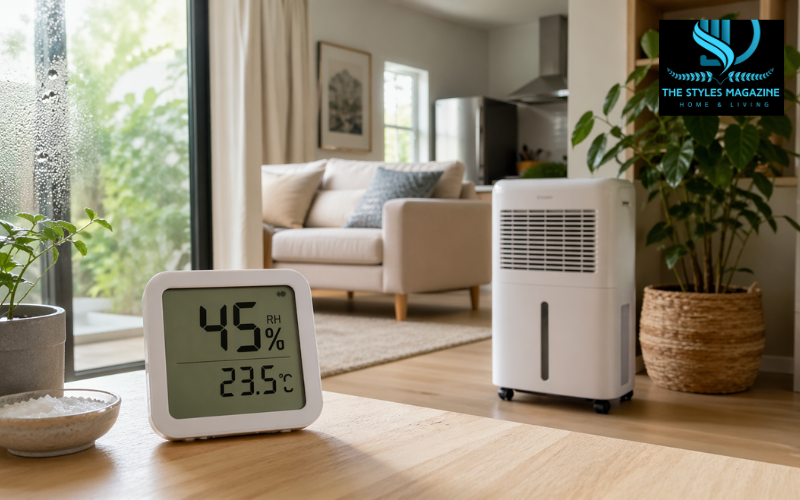
A dehumidifier is one of the most effective tools when learning how to decrease humidity in house. It works by pulling moisture from the air and collecting it in a container or draining it away automatically.
Portable dehumidifiers are ideal for single rooms such as bedrooms, basements, or bathrooms. They are easy to use and can quickly reduce humidity levels in a specific area. For larger homes, whole-house dehumidifiers can be installed as part of your HVAC system to control moisture throughout the entire space.
Using a dehumidifier allows you to maintain a consistent humidity level without much effort. Many modern units come with built-in sensors that automatically adjust settings based on the air’s moisture level.
This makes them a reliable and convenient option for long-term humidity control.
How Air Conditioning Helps Lower Indoor Humidity
Air conditioning does more than just cool your home. It also plays an important role in removing excess moisture from the air. As warm air passes through the AC system, it cools down, causing moisture to condense and be removed.
This process helps reduce humidity while maintaining a comfortable temperature. However, for the best results, it’s important to use the correct settings. Keeping the fan mode on “Auto” instead of “On” allows moisture to be properly drained instead of being pushed back into the air.
Regular maintenance of your AC system is also important. Clean filters and well-functioning components ensure that the system works efficiently in controlling both temperature and humidity.
Using air conditioning correctly can make a noticeable difference in how dry and comfortable your home feels.
Adjusting Your Thermostat to Control Humidity Levels
Your thermostat can also play a role in managing humidity. Many modern thermostats come with humidity control features that allow you to set a desired moisture level.
Lowering the temperature slightly can help reduce humidity, as cooler air holds less moisture. However, it’s important not to overdo it, as extremely low temperatures can lead to discomfort.
Smart thermostats can automatically adjust settings based on indoor conditions, helping maintain a balanced environment without constant manual changes.
By using your thermostat wisely, you can support your efforts to decrease humidity in house more effectively.
How to Decrease Humidity in House Without a Dehumidifier
If you don’t have a dehumidifier, there are still many ways to reduce humidity naturally. Improving airflow is one of the most effective methods. Keeping doors open between rooms and allowing air to circulate can help prevent moisture buildup.
Using fans, especially ceiling or standing fans, can also help move air around and reduce dampness. Keeping your home clean and dry is equally important. Wiping down wet surfaces and fixing leaks quickly can prevent moisture from spreading.
These simple steps may not provide instant results like a dehumidifier, but they can still make a noticeable difference over time.
Natural Ways to Reduce Humidity in a Room
There are several natural methods that can help reduce humidity in a room without using electricity. Materials like baking soda, charcoal, and rock salt can absorb moisture from the air. Placing them in small containers around damp areas can help control humidity.
Certain indoor plants can also help balance moisture levels. Plants like aloe vera and succulents are known for absorbing moisture instead of releasing it.
These natural solutions are affordable and easy to use, making them a good option for small spaces or as a supplement to other methods.
Improving Ventilation to Keep Air Dry and Fresh
Proper ventilation is one of the most important factors in controlling humidity. Without airflow, moisture becomes trapped and builds up over time.
Opening windows regularly allows fresh air to enter and push out humid air. Cross-ventilation, where windows on opposite sides are opened, can be especially effective in improving air circulation.
Installing or using exhaust fans in areas like kitchens and bathrooms can also help remove moisture at its source. Good ventilation not only reduces humidity but also improves overall air quality in your home.
Daily Habits That Help Reduce Indoor Humidity
Small daily habits can have a big impact on indoor humidity levels. Covering pots while cooking reduces the amount of steam released into the air. Taking shorter showers can also help limit moisture buildup.
Drying clothes outdoors instead of indoors is another effective habit. Indoor drying can release a large amount of moisture into the air, increasing humidity levels quickly.
Simple changes in your routine can help maintain a comfortable environment without much effort.
How to Reduce Humidity in House in Winter Naturally
Humidity issues are not limited to summer. In winter, homes can still experience high moisture levels due to reduced ventilation and indoor heating.
To reduce humidity naturally during winter, it’s important to maintain airflow. Opening windows for short periods can help release trapped moisture without making your home too cold.
Using kitchen and bathroom exhaust fans regularly can also help control humidity during colder months.
Managing Humidity in Cold Weather Without Causing Dry Air Problems
While reducing humidity in winter is important, it’s equally important not to make the air too dry. Extremely dry air can cause discomfort, including dry skin and irritation.
The key is to maintain balance. Instead of removing all moisture, focus on keeping humidity within the ideal range. Monitoring humidity levels with a simple device can help you make better adjustments.
Balanced humidity ensures comfort without creating new problems.
Fixing Structural Issues That Add Moisture to Your Home
Sometimes, humidity problems are caused by structural issues in the home. Leaky pipes, roof damage, and poor drainage can all introduce moisture into your living space.
Fixing these issues is essential for long-term humidity control. Repairing leaks, sealing cracks, and ensuring proper drainage around your home can prevent moisture from entering.
Basements and crawl spaces may also require special attention, as they are more prone to dampness.
Room-by-Room Guide to Lower Humidity Effectively
Different rooms in your home may require different approaches to control humidity. Bathrooms and kitchens often need strong ventilation due to high moisture levels.
Basements may benefit from a dehumidifier, while bedrooms can be managed with proper airflow and daily habits.
By understanding the needs of each room, you can apply the most effective solutions where they are needed most.
Long-Term Tips to Maintain Healthy Indoor Humidity Levels
Maintaining healthy humidity levels requires consistent effort. Regular cleaning, proper ventilation, and timely maintenance of appliances all contribute to a balanced environment.
Checking humidity levels regularly can help you stay on track. Making small adjustments as needed ensures that your home remains comfortable throughout the year.
Long-term success comes from combining multiple methods rather than relying on a single solution.
Conclusion
Learning how to decrease humidity in house is essential for creating a comfortable and healthy living environment. From quick solutions like using air conditioning and dehumidifiers to natural methods and daily habits, there are many ways to control moisture effectively.
The best results come from combining immediate actions with long-term strategies. Addressing the root causes, improving ventilation, and maintaining good habits can help keep humidity levels within the ideal range.
By staying consistent and making simple adjustments, you can enjoy a home that feels dry, fresh, and comfortable while protecting your health and property from the effects of excess moisture.
FAQs
How To Decrease Humidity In House Quickly?
Use a dehumidifier or air conditioner, turn on exhaust fans, and improve ventilation. These methods remove moisture fast and help bring humidity levels back to a comfortable range.
How To Decrease Humidity In House Naturally?
You can open windows for airflow, use moisture absorbers like baking soda, and avoid indoor drying of clothes. Small daily habits can naturally reduce humidity over time.
What Are Signs Of Too Much Moisture In House?
Common signs include musty smells, condensation on windows, mold spots, and a sticky feeling in the air. These indicate high humidity levels that need to be controlled.
Can Ac Reduce Humidity In House?
Yes, air conditioners remove moisture while cooling the air. Keeping the fan on “Auto” helps prevent moisture from returning and improves humidity control.
How To Reduce Humidity In House In Winter?
Use ventilation, exhaust fans, and short window openings. Avoid over-humidifying the air and maintain balance to prevent both dampness and dryness.
Enjoyed it? Find more exclusive content on The Styles Magazine.
Disclaimer: This content is for informational purposes only and is based on general home maintenance practices. Results may vary depending on home conditions. For serious moisture or mold issues, consult a professional.