Garage door insulation is one of the simplest ways to make your garage more comfortable and energy-efficient. Many people overlook their garage when thinking about home improvements, but it plays a big role in overall temperature control—especially if it is attached to the house. A poorly insulated garage door can allow heat to escape during winter and let hot air enter during summer, making it harder to maintain a stable indoor environment.
By improving garage door insulation, you can reduce energy waste, protect stored items, and create a more usable space. Whether you use your garage as a workshop, home gym, or storage area, insulation can make a noticeable difference. It can even help lower your energy bills by reducing the strain on your heating and cooling systems.
There are different ways to approach garage door insulation. Some homeowners prefer DIY insulation kits because they are affordable and easy to install. Others choose full garage door installation with built-in insulation for better long-term performance. The right choice depends on your budget, goals, and how often you use the space.
Quick Comparison
| Insulation Type | Best For | Pros | Cons | Typical R-Value |
| Rigid Foam (Polystyrene) | DIY projects | Affordable, lightweight | Moderate insulation | R-4 to R-9 |
| Polyurethane Foam | Maximum performance | High insulation, very durable | Expensive, not DIY-friendly | R-10 to R-19 |
| Reflective Barrier | Hot climates | Reflects heat effectively | Poor in cold weather | Varies |
| Fiberglass Batts | Budget-friendly option | Easy to find, low cost | Less durable, irritant | Around R-8 |
What Garage Door Insulation Really Does
Garage door insulation works by slowing down heat transfer between the inside and outside of your garage. Without insulation, the door acts like a thin barrier that quickly absorbs outdoor temperatures. This means your garage becomes very cold in winter and extremely hot in summer.
When insulation is added, it creates a layer that resists this heat movement. As a result, the indoor temperature becomes more stable. This is especially important for attached garages, where temperature changes can affect nearby rooms in your home. Even a small improvement in insulation can help reduce heat loss and make your living spaces more comfortable.
The impact is slightly different for detached garages. While insulation may not directly affect your home’s indoor temperature, it still helps protect items stored inside. Tools, paints, and car batteries all benefit from more stable conditions.
Seasonal changes also highlight the importance of garage door insulation. During winter, insulation helps keep the cold air out and prevents heat from escaping. In summer, it reflects or blocks heat from entering, keeping the garage cooler. This balance makes the space more usable throughout the year.
Key Benefits of Garage Door Insulation
One of the main benefits of garage door insulation is improved energy efficiency. When your garage maintains a more stable temperature, your home’s heating and cooling systems do not have to work as hard. This can lead to noticeable savings on your energy bills over time.
Another advantage is noise reduction. Insulated garage doors are typically quieter because the added material absorbs sound and vibrations. This can be helpful if you live in a busy area or if your garage door opens and closes frequently.
Insulation also improves the durability of the door. Insulated doors are usually more rigid and stronger than non-insulated ones. This makes them less likely to dent or wear out quickly, especially in areas with changing weather conditions.
Comfort is another important factor. A well-insulated garage becomes a more pleasant space to work in, whether you are doing repairs, exercising, or simply organizing storage. It also protects items inside from extreme temperatures, which can extend their lifespan.
Types of Garage Door Insulation Explained
There are several types of garage door insulation, each with its own strengths and limitations. One of the most common options is rigid foam insulation, often made from polystyrene. This type is lightweight, affordable, and easy to install, making it a popular choice for DIY projects. It provides decent thermal resistance but may not offer the highest level of soundproofing.
Polyurethane insulation is another option, typically found in factory-insulated doors. This material is injected into the door panels, creating a dense and highly effective barrier. It offers excellent thermal performance and durability but is usually more expensive and requires professional installation.
Reflective insulation is often used in hot climates. It works by reflecting radiant heat away from the garage, helping to keep the space cooler. However, it is less effective in colder climates where heat retention is more important.
Fiberglass batts are also used in some cases. They are affordable and widely available, but they can be less durable and may require extra care during installation. Some homeowners prefer alternative materials, but the key is choosing an option that matches your climate and usage needs.
Understanding Garage Door Insulation R-Value
R-value is a term used to measure how well insulation resists heat flow. In simple terms, a higher R-value means better insulation performance. When choosing garage door insulation, understanding R-value helps you make a more informed decision.
For mild climates, a lower R-value may be sufficient. However, in areas with extreme temperatures, a higher R-value is recommended to maintain comfort and efficiency. For example, insulation with an R-value between 4 and 9 may work for basic needs, while higher values provide stronger protection against heat and cold.
Choosing the right R-value depends on how you use your garage. If it is mainly for storage, moderate insulation may be enough. If you use it as a workspace or if it is attached to your home, investing in a higher R-value can provide better long-term benefits.
Garage Door Insulation Kits vs Professional Installation
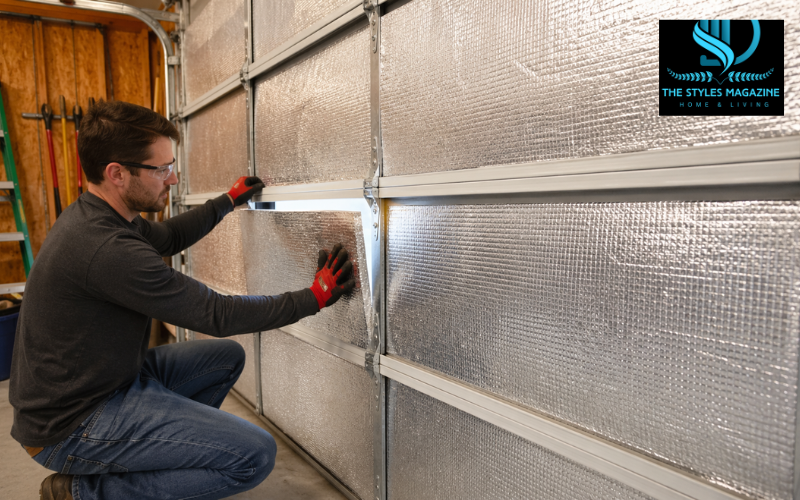
Garage door insulation kits are a popular option for homeowners who want a quick and affordable upgrade. These kits usually include pre-cut insulation panels, adhesive materials, and simple instructions. They can often be installed in a few hours using basic tools, making them ideal for DIY projects.
DIY kits are a good choice if your garage door is in decent condition and you want to improve comfort without spending too much. They are especially useful for standard-sized doors and common insulation needs.
However, there are situations where professional installation is the better option. If your garage door is old, damaged, or not designed to handle additional weight, replacing it with a factory-insulated door may be more effective. Professional installation also ensures proper fit, performance, and safety.
The decision between a garage door insulation kit and full garage door installation depends on your budget, long-term goals, and the current condition of your door.
Best Garage Door Insulation Options for Different Needs
The best garage door insulation depends on your specific requirements. For colder regions, the best garage door insulation for winter is usually high-density foam or polyurethane, as it provides strong heat retention and keeps the space warmer.
For year-round use, materials that offer a balance between thermal performance and durability are ideal. Rigid foam insulation is a popular choice because it is cost-effective and works well in most climates.
When comparing options, it is important to consider both performance and cost. Higher-end insulation may have a higher upfront price, but it can offer better long-term savings through improved energy efficiency. On the other hand, budget-friendly options can still provide noticeable improvements if installed correctly.
Choosing the Right Garage Door Insulation Panels and Boards
Garage door insulation panels are designed to fit inside the door’s frame, creating a barrier that reduces heat transfer. These panels are often made from foam or similar materials and are easy to handle during installation.
Insulation boards work in a similar way but may require cutting to fit the exact dimensions of your door. They are a flexible option for custom setups and can be used with different types of garage doors.
When choosing panels or boards, it is important to consider factors such as thickness, material, and fit. Proper sizing ensures better performance and prevents gaps that could reduce efficiency. The material you choose should also match your climate and insulation goals.
Where to Buy Garage Door Insulation Materials
Garage door insulation materials are widely available both online and in physical stores. Many homeowners look for options at large retailers, where they can find a range of products to suit different budgets and needs.
Stores like Home Depot and Lowe’s offer various garage door insulation kits, panels, and boards. These stores usually provide clear product details, making it easier to compare features and prices.
When choosing where to buy, it is important to focus on quality, compatibility, and ease of installation. Reading product descriptions and reviews can help you select the best option for your situation. Availability and support services may also influence your decision.
Step-by-Step Overview of Installing Garage Door Insulation
Installing garage door insulation is a straightforward process when done correctly. The first step is preparation, which includes cleaning the door surface and measuring each panel to ensure a proper fit.
Once the measurements are complete, the insulation panels or boards are cut to size if needed. They are then secured in place using adhesive, clips, or other provided materials. Ensuring a tight fit is important to prevent air gaps.
After installation, it is helpful to check the door’s movement and balance. The added weight of insulation can affect how the door operates, so adjustments may be needed. Taking time to follow the instructions carefully can lead to better results and longer-lasting performance.
Cost of Garage Door Insulation
The cost of garage door insulation varies depending on the method you choose. DIY insulation kits are generally affordable, with prices typically ranging from $50 to $200. These kits provide a cost-effective way to improve comfort without major investment.
On the other hand, professional garage door installation with built-in insulation can cost significantly more. Prices usually start around $900 and can go up to $3,000 or more, depending on the door type and features.
While the initial cost may seem high, it is important to consider long-term savings. Improved insulation can reduce energy bills and increase the lifespan of your garage door, making it a worthwhile investment over time.
Important Safety and Performance Considerations
Adding insulation to a garage door increases its weight, which can affect the springs and opener system. If the door becomes too heavy, it may not function properly, leading to potential damage or safety risks.
In some cases, it may be necessary to adjust or upgrade the hardware to handle the extra load. This is especially important for older doors that were not designed with insulation in mind.
Proper sealing and airflow are also important. While insulation helps control temperature, it should not block necessary ventilation. Ensuring a balanced setup can improve both safety and performance.
Extra Tips to Improve Garage Insulation Performance
Improving garage door insulation is only part of the solution. Sealing gaps around the door is equally important. Small openings can allow air to pass through, reducing the effectiveness of insulation.
Weatherstripping is a simple way to block these gaps. Adding bottom seals and side seals can further improve the overall performance of your garage door.
Combining insulation with other upgrades, such as better ventilation or wall insulation, can create a more comfortable and energy-efficient space. These small improvements can make a big difference over time.
Conclusion
Garage door insulation is a practical and effective way to improve the comfort and efficiency of your garage. It helps regulate temperature, reduce energy costs, and create a more usable space throughout the year.
Whether you choose a DIY insulation kit or invest in a fully insulated garage door, the benefits are clear. The right approach depends on your needs, budget, and how you use your garage.
By understanding the different options and taking the time to install insulation properly, you can enjoy a more comfortable and efficient garage without unnecessary complications.
FAQs
Is Garage Door Insulation Really Worth It?
Yes, garage door insulation helps reduce heat loss, lowers energy bills, and makes your garage more comfortable. It’s especially useful for attached garages or spaces used as workshops.
Can I Install Garage Door Insulation Myself?
Most homeowners can install a garage door insulation kit easily. It usually takes a few hours and basic tools, making it a simple DIY upgrade.
What Is The Best Garage Door Insulation For Winter?
High R-value materials like polyurethane or thick foam panels work best in winter because they retain heat more effectively and keep cold air out.
Will Insulation Make My Garage Door Heavier?
Yes, insulation adds weight to the door. In some cases, you may need to adjust the springs or opener to maintain smooth and safe operation.
How Much Does Garage Door Insulation Cost?
DIY kits usually cost between $50 and $200, while a fully insulated garage door can range from $900 to $3000 depending on quality and installation.
Enjoyed it? Find more exclusive content on The Styles Magazine.
Disclaimer: This content is for informational purposes only. Costs, materials, and installation methods may vary. Always follow manufacturer guidelines or consult a professional before making structural or mechanical changes to your garage door.