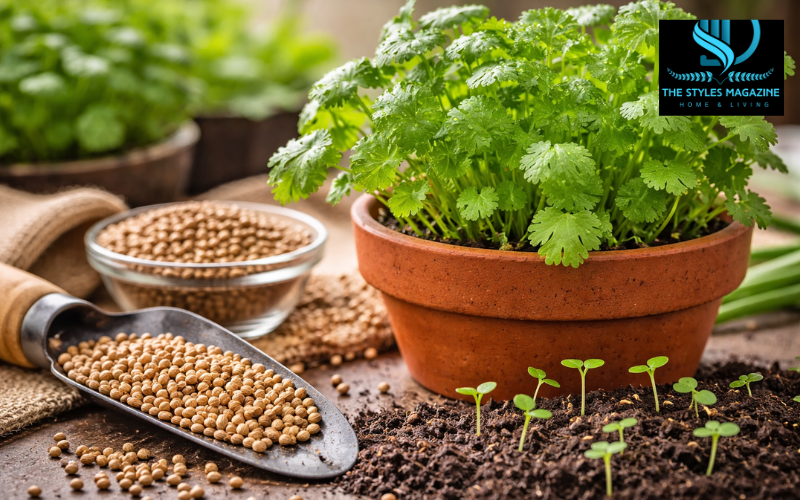
If you have ever wondered whether coriander seeds grow cilantro, the simple answer is yes. They are actually two parts of the same plant. The seeds are called coriander, while the fresh green leaves and stems are known as cilantro. This often confuses beginners, but once you understand this basic idea, growing cilantro becomes much easier.
Many people want fresh cilantro at home but are not sure where to start. The good news is that you do not need special tools or expert knowledge. With just a few coriander seeds and the right method, you can grow healthy cilantro in your garden, balcony, or even indoors.
In this guide, you will learn how coriander seeds grow cilantro step by step. We will cover the best time to plant, how to prepare seeds for faster growth, and simple ways to grow cilantro in pots or indoors. You will also discover realistic tips to speed up germination and avoid common mistakes.
Everything is explained in simple and practical terms, so even if you are a complete beginner, you can follow along with confidence and grow fresh cilantro at home.
Quick Step-by-Step Guide
| Step | What to Do | Why It Matters |
| 1 | Lightly crush coriander seeds | Helps faster germination |
| 2 | Soak seeds for 24–48 hours | Softens outer shell |
| 3 | Plant ¼–½ inch deep in soil | Ideal depth for growth |
| 4 | Keep soil slightly moist | Prevents drying out |
| 5 | Place in sunlight/partial shade | Supports healthy leaves |
| 6 | Harvest in 3–6 weeks | Enjoy fresh cilantro |
Understanding How Coriander Seeds Grow Cilantro
To understand how coriander seeds grow cilantro, it helps to know that both come from the same plant called Coriandrum sativum. This plant produces green leaves during its early stage, which we call cilantro. As it matures, it develops seeds, which are known as coriander.
So when you plant coriander seeds, you are actually growing cilantro plants. The seeds act as the starting point of the plant’s life cycle. Once they germinate, small shoots appear, and within a few weeks, they develop into leafy cilantro.
The difference between the two is only in how they are used. Cilantro refers to the fresh leaves used in cooking, while coriander usually refers to the dried seeds used as a spice. But both come from the same source.
Seeds are used to grow cilantro because they contain all the nutrients needed to start new plants. When placed in the right conditions, they absorb water, swell, and begin to sprout. This natural process is simple, but it depends on proper preparation and care.
Can Coriander Seeds Grow Cilantro Successfully at Home
Yes, coriander seeds can grow cilantro successfully at home, and this is one of the easiest herbs to grow for beginners. Whether you have a garden or just a small pot near a window, you can still grow fresh cilantro with minimal effort.
For successful growth, the most important factors are good soil, moderate sunlight, and proper watering. Cilantro prefers slightly cool temperatures and does not do well in extreme heat. If the weather is too hot, the plant may start flowering quickly instead of producing leaves.
Many beginners worry that their seeds may not grow, but this usually happens due to simple mistakes like planting too deep, overwatering, or using poor-quality soil. With a little attention to these details, growing cilantro at home becomes very reliable.
Even if you are trying it for the first time, coriander seeds grow cilantro easily as long as you provide a stable environment and avoid sudden changes in temperature or moisture.
Preparing Coriander Seeds for Faster Germination
Proper seed preparation plays a big role in how quickly coriander seeds grow cilantro. Many people skip this step, but it can make a noticeable difference in germination speed.
Coriander seeds are actually small round balls that contain two seeds inside a hard outer shell. Gently crushing this shell helps separate the seeds and allows water to reach them more easily. This simple step can speed up germination.
After splitting the seeds, soaking them in water for about one to two days helps soften them further. During soaking, the seeds absorb moisture, which activates the germination process.
When seeds are prepared this way, they tend to sprout faster and more evenly. This means you will start seeing small green shoots sooner, making the entire growing process quicker and more satisfying.
Best Time and Conditions to Grow Cilantro from Seeds
Timing is very important when growing cilantro from seeds. Since coriander seeds grow cilantro best in cool conditions, the ideal time to plant them is during early spring or early fall.
Cilantro does not like high temperatures. When the weather becomes too warm, especially above around 30°C (85°F), the plant may stop producing leaves and quickly start flowering. This process is called bolting, and it reduces the quality of the leaves.
In terms of light, cilantro grows well in full sun but also benefits from partial shade in warmer climates. If you live in a hot area, giving the plant some protection from strong afternoon sun can help it grow longer.
The soil should be well-draining and slightly moist, not too dry and not too wet. A balanced environment with moderate sunlight and cool temperatures helps coriander seeds grow cilantro in a healthy and steady way.
Growing Cilantro from Seed in Pots Step by Step
Growing cilantro in pots is a great option, especially if you have limited space. Since coriander seeds grow cilantro easily in containers, this method is perfect for beginners.
Start by choosing a pot with enough depth, as cilantro develops a long root. Fill it with loose, well-draining soil. Plant the seeds about half an inch deep and leave a small space between them so each plant has room to grow.
Water the soil gently after planting and keep it slightly moist. Avoid flooding the pot, as too much water can damage the seeds. Place the pot in a location where it receives good light, such as a balcony or near a sunny window.
Within a week or two, you should start seeing small green shoots. As the plants grow, continue watering regularly and make sure the soil does not dry out completely.
Growing cilantro in pots is simple, convenient, and allows you to have fresh herbs right at home without needing a large garden.
How to Grow Coriander Seeds Indoors Successfully
If you do not have outdoor space, you can still grow cilantro indoors successfully. Coriander seeds grow cilantro well indoors as long as they receive enough light and proper care.
Place your pot near a window that gets sunlight for several hours a day. If natural light is limited, you can use a simple grow light to support healthy growth. The container should have drainage holes to prevent water from collecting at the bottom.
Indoor plants often face issues like low light or poor air circulation. To avoid this, make sure the area is well-ventilated and not too humid. Water the plant carefully, keeping the soil moist but not soggy.
With the right setup, indoor cilantro can grow just as well as outdoor plants, giving you fresh leaves whenever you need them.
How Long Do Coriander Seeds Take to Grow Cilantro
One of the most common questions is how long it takes for coriander seeds to grow cilantro. The process is relatively fast compared to many other herbs.
Germination usually begins within 7 to 14 days after planting. During this time, the seeds absorb water and start to sprout. Soon after, small green leaves appear.
Within about 3 to 4 weeks, the plant becomes large enough for light harvesting. By 5 to 6 weeks, it reaches full growth and can be harvested more regularly.
The exact timing depends on factors like temperature, soil quality, and watering. With proper care, coriander seeds grow cilantro quickly, making it a great choice for anyone who wants fast results.
How to Grow Coriander Faster in 3 to 7 Days (Realistic Tips)
Many people search for ways to grow coriander in just a few days. While full cilantro plants cannot grow completely in 3 to 7 days, you can speed up the early stages of growth.
The most effective method is proper seed preparation. Splitting and soaking the seeds helps them sprout faster. Keeping the soil warm and slightly moist also supports quicker germination.
It is important to understand that some claims about extremely fast growth are unrealistic. You may see small sprouts within a few days, but full leafy cilantro takes more time.
By creating the right conditions, you can reduce waiting time and encourage faster early growth without relying on myths or unrealistic expectations.
Common Problems When Growing Cilantro from Seeds
Even though coriander seeds grow cilantro easily, some common problems can slow down the process.
One major issue is bolting, where the plant starts flowering too early due to heat. This reduces leaf production. Keeping the plant cool and providing shade can help prevent this.
Another problem is slow or failed germination, often caused by dry soil or unprepared seeds. Proper soaking and consistent moisture can improve results.
Overwatering is also a frequent mistake. Too much water can lead to root damage or fungal issues. It is important to keep the soil moist but not overly wet.
By understanding these problems and making small adjustments, you can improve your chances of growing healthy cilantro plants.
Simple Tips to Keep Cilantro Growing Longer
If you want your cilantro to last longer, a few simple habits can make a big difference. Since coriander seeds grow cilantro quickly, regular planting can help maintain a continuous supply.
Planting new seeds every few weeks ensures that fresh plants are always growing. Keeping the soil cool with light watering and avoiding direct heat also helps extend the plant’s life.
Harvesting the outer leaves instead of cutting the entire plant allows it to keep growing. This method encourages new leaves to form from the center.
Taking these small steps helps you enjoy fresh cilantro for a longer time without needing to start over frequently.
Harvesting Cilantro and Letting It Self-Seed Naturally
Harvesting cilantro is simple and rewarding. Once the plant reaches about 4 to 6 inches in height, you can begin cutting the leaves. It is best to take the outer leaves first, allowing the inner parts to continue growing.
If you let some plants mature fully, they will produce flowers and eventually seeds. These seeds can fall into the soil and grow into new plants on their own.
This natural cycle means you may not need to replant every time. By allowing self-seeding, you can create a continuous supply of cilantro with minimal effort.
Conclusion
Coriander seeds grow cilantro easily, making it one of the most beginner-friendly herbs you can grow at home. Once you understand that both come from the same plant, the process becomes simple and enjoyable.
By preparing the seeds properly, choosing the right time, and maintaining balanced conditions, you can grow fresh cilantro in pots, gardens, or indoors. Even small adjustments, like keeping the soil cool or harvesting correctly, can improve your results.
With consistent care and a little patience, you can enjoy a steady supply of fresh cilantro grown right at home.
FAQs
Can Coriander Seeds Really Grow Cilantro?
Yes, coriander seeds grow cilantro because they are the same plant. The seeds produce fresh green leaves, which are known as cilantro and commonly used in cooking.
How Long Does It Take For Coriander Seeds To Grow Cilantro?
Coriander seeds usually take 7–14 days to germinate and about 3–6 weeks to grow into harvest-ready cilantro, depending on temperature and growing conditions.
Can I Grow Cilantro From Coriander Seeds Indoors?
Yes, you can grow cilantro indoors by placing pots near sunlight or using grow lights. Make sure the soil drains well and stays slightly moist for best results.
Why Are My Coriander Seeds Not Growing?
Seeds may fail due to hard outer shells, overwatering, or poor soil. Splitting and soaking seeds before planting helps improve germination success.
Can Cilantro Grow In Just 3 To 7 Days?
You may see small sprouts within 3–7 days, but full cilantro plants take several weeks to grow. Fast growth depends on proper seed preparation and conditions.
Enjoyed it? Find more exclusive content on The Styles Magazine.
Disclaimer: This content is for general informational purposes only. Results may vary based on climate, soil, and care practices. Always adjust growing methods according to your local environment for best results.