Cilantro is one of the easiest and most rewarding herbs you can grow at home. Known for its fresh, bright flavor, it is widely used in many dishes, from salads to sauces and traditional meals. Many people want to know how do you grow cilantro plants because it grows quickly and can provide a steady supply of fresh leaves when done right.
However, cilantro also comes with a few challenges. One of the most common issues is “bolting,” which means the plant quickly flowers and stops producing leaves, especially in warm weather. Despite this, cilantro remains popular because it is versatile and can be grown in many ways, including in garden beds, pots, and even indoors.
In this guide, you will learn how do you grow cilantro plants from seeds, how to grow them indoors and in containers, and how to care for them properly. Everything is explained in a simple and practical way so that even beginners can follow along and succeed.
How Do You Grow Cilantro Plants
| Step | What to Do | Why It Matters |
| 1 | Plant seeds directly in soil | Protects sensitive taproot |
| 2 | Keep soil moist, not soggy | Prevents stress and bolting |
| 3 | Give sunlight + some shade | Helps steady growth |
| 4 | Thin plants after sprouting | Improves airflow |
| 5 | Harvest outer leaves first | Keeps plant growing longer |
| 6 | Replant every 2–3 weeks | Ensures continuous supply |
Understanding Cilantro Growth Basics Before You Start
Before planting, it helps to understand how cilantro grows. Cilantro is a cool-season herb, which means it grows best in mild temperatures rather than extreme heat. It usually grows quickly, and in good conditions, you can start harvesting within a few weeks.
One important thing to know is that cilantro has a delicate taproot. This root grows straight down and does not like to be disturbed. That is why it is best to grow cilantro directly from seeds instead of transplanting it from another place. Moving the plant can damage the root and slow down its growth.
Bolting is another key concept. When temperatures rise or the plant becomes stressed, cilantro will produce flowers and seeds instead of leaves. While this is a natural part of its life cycle, it reduces the amount of usable leaves. Understanding this behavior is important because it helps you plan better planting times and care routines.
Best Time and Conditions for Growing Cilantro Plants
Choosing the right time and environment is one of the most important steps if you want to grow cilantro successfully. Cilantro grows best when temperatures stay between 10°C and 29°C. This makes early spring and late summer or early fall the ideal seasons for planting.
Cilantro needs sunlight to grow well, but too much heat can cause it to bolt quickly. In cooler climates, full sun works perfectly. In warmer areas, it is better to give the plant some afternoon shade to keep it from getting too hot.
The soil should be well-draining and rich in organic matter. Adding compost can improve the soil and help the plant grow strong and healthy. The pH level should be slightly acidic to neutral, around 6.2 to 6.8. Good soil conditions make a big difference in how well your cilantro plants develop.
How Do You Grow Cilantro Plants from Seeds (Step-by-Step Setup)
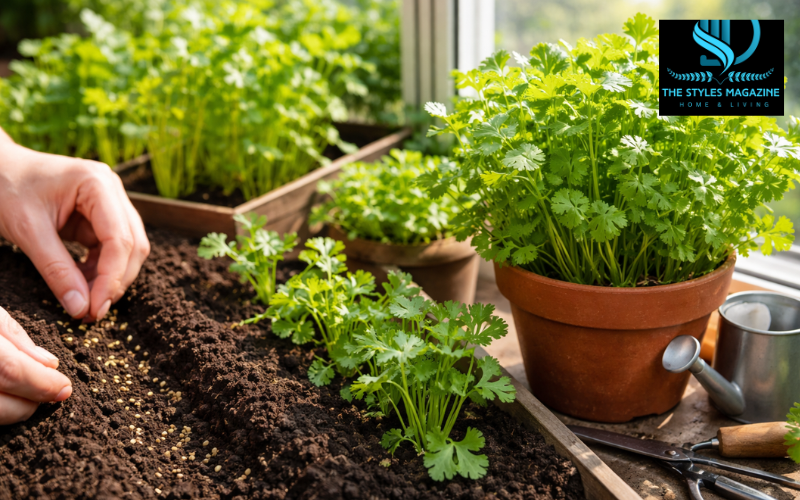
If you are wondering how do you grow cilantro plants from seeds, the process is simple and reliable. In fact, this is the best method for growing cilantro because it avoids root disturbance.
Start by planting the seeds directly into the soil where you want the plants to grow. The seeds should be placed about a quarter to half an inch deep. Cover them lightly with soil and water gently.
Spacing is also important. Seeds can be planted close together at first, but once the seedlings grow a little, they need space to develop properly. Rows should be about 12 inches apart, which allows enough airflow and reduces the risk of disease.
After the seedlings reach a height of around 2 inches, thinning is necessary. This means removing some of the plants so that the remaining ones have enough room to grow. Ideally, each plant should be about 6 to 8 inches apart. This simple step helps produce healthier and fuller plants.
Growing Cilantro in Pots and Containers the Right Way
Growing cilantro in pots is a great option if you have limited space or want to keep your plants close by. The most important thing to consider is the depth of the container. Since cilantro has a taproot, the pot should be at least 8 inches deep to allow proper root development.
The soil in the container should be light and well-draining. A mix of garden soil, compost, and a small amount of sand works well. Good drainage is essential, so make sure the pot has holes at the bottom to prevent water from collecting.
Placement of the container also matters. Cilantro needs enough sunlight to grow but should not be exposed to intense heat for long periods. Placing the pot in a spot that gets morning sun and afternoon shade is often ideal.
How Do You Grow Cilantro Plants Indoors Successfully
Growing cilantro indoors is possible and can be very convenient, especially if you want fresh herbs throughout the year. The main challenge indoors is providing enough light.
A bright window that receives several hours of sunlight each day is usually enough. If natural light is limited, grow lights can be used to support healthy growth. Consistent lighting helps the plant stay strong and prevents weak or stretched stems.
Temperature is another important factor. Indoor conditions are usually stable, which is good for cilantro. Try to keep the plant in a cool area, away from heat sources like ovens or heaters.
Common mistakes when growing cilantro indoors include overwatering and not giving enough light. Keeping the soil moist but not soggy and ensuring proper lighting will help your indoor plants grow well.
Growing Cilantro in Water and Alternative Methods
Some people wonder if cilantro can be grown in water. While it is possible to keep cilantro stems alive in water for a short time, it is not a reliable method for long-term growth.
Cilantro needs nutrients from soil to grow properly. Water alone cannot provide everything the plant needs, so growth will be limited. You may see some new leaves for a short period, but the plant will not develop fully.
This method can still be useful if you want to keep store-bought cilantro fresh for a few days. However, for continuous growth and harvesting, soil-based planting is always the better option.
How to Grow Cilantro from Cuttings or Store-Bought Bunches
Growing cilantro from cuttings or store-bought bunches is not as effective as growing from seeds, but it can still be tried. Unlike some herbs, cilantro does not easily regrow from cuttings because of its growth pattern.
If you want to try, place fresh stems with roots into water and wait for them to stabilize. Once they show signs of growth, they can be transferred into soil. However, success rates are not very high, and the plants may not grow as strong as those started from seeds.
For the best results, it is always recommended to use seeds. This ensures healthy growth and better yields over time.
Watering, Feeding, and Daily Care for Healthy Plants
Proper care is essential if you want to grow cilantro plants successfully. Watering should be done regularly to keep the soil moist, but not overly wet. On average, cilantro needs about one inch of water per week, depending on the weather.
Consistent moisture helps the plant grow steadily and prevents stress, which can lead to bolting. However, too much water can cause root problems, so balance is important.
Fertilizing is not always necessary if the soil is rich, but a light feeding once a month can support better leaf growth. Using a gentle, water-soluble fertilizer is usually enough.
Mulching is another helpful practice. Adding a thin layer of mulch around the plants helps keep the soil cool and retains moisture. This simple step can also reduce the chances of early bolting.
How to Prevent Cilantro from Bolting Too Quickly
Bolting is one of the biggest concerns when growing cilantro. It happens when the plant experiences heat or stress, causing it to produce flowers instead of leaves.
To reduce bolting, it is important to plant cilantro at the right time. Cooler seasons are best, and avoiding extreme heat can make a big difference. Providing partial shade during hot afternoons also helps keep the plant comfortable.
Regular watering is another key factor. Dry soil can stress the plant and trigger early bolting. Keeping the soil consistently moist supports healthy growth.
One of the most effective methods is succession planting. This means planting new seeds every 2 to 3 weeks. By doing this, you always have fresh plants growing, even if older ones start to bolt.
Harvesting Cilantro Leaves and Coriander Seeds Properly
Harvesting cilantro at the right time ensures the best flavor and continued growth. The plant is usually ready to harvest when it reaches about 6 inches in height, which often happens within 40 to 45 days after planting.
When harvesting, it is best to cut the outer leaves first. This allows the inner leaves to keep growing, giving you a longer harvest period. Avoid removing too much at once, as this can weaken the plant.
If the plant starts to flower, it will eventually produce seeds known as coriander. These seeds can be harvested once they turn brown and dry on the plant. They can be used in cooking or saved for future planting.
Common Mistakes to Avoid When Growing Cilantro Plants
Many beginners face problems when growing cilantro, but most issues can be avoided with simple care. Overwatering is one of the most common mistakes, as it can damage the roots and slow growth.
Planting at the wrong time is another issue. If cilantro is planted during very hot weather, it is more likely to bolt quickly. Choosing the right season is key to success.
Transplanting is also not recommended. Since cilantro has a sensitive taproot, moving it can cause stress and reduce growth. It is always better to plant seeds directly where they will grow.
Ignoring spacing can lead to overcrowded plants, which affects airflow and overall health. Giving each plant enough space helps prevent problems and supports better growth.
Conclusion
Learning how do you grow cilantro plants is simple once you understand the basics. With the right timing, proper care, and a little attention to detail, cilantro can grow quickly and provide a fresh supply of leaves for your kitchen.
Planting seeds directly, keeping the soil moist, and avoiding heat stress are some of the most important steps. By planting new seeds every few weeks, you can enjoy a continuous harvest throughout the growing season.
Even if you are a beginner, cilantro is a great herb to start with. With these simple methods, you can grow healthy cilantro plants and enjoy fresh flavor all year round.
FAQs
How Long Does It Take To Grow Cilantro Plants?
Cilantro grows quickly and is usually ready to harvest within 40 to 45 days after planting seeds, depending on growing conditions like temperature, sunlight, and proper watering.
Can You Grow Cilantro Indoors Successfully?
Yes, cilantro can grow indoors if it gets enough light. Place it near a bright window or use grow lights to ensure healthy and steady growth throughout the year.
Why Does Cilantro Bolt So Quickly?
Cilantro bolts due to heat, stress, or lack of water. High temperatures cause it to flower early, reducing leaf production. Growing in cooler seasons helps prevent this issue.
Can You Grow Cilantro In Pots Easily?
Yes, cilantro grows well in pots as long as the container is deep enough for its taproot. Use well-draining soil and place it where it gets enough sunlight.
Is It Possible To Grow Cilantro In Water?
Cilantro can survive in water for a short time, but it won’t grow fully. For long-term growth and better results, soil planting is always the best option.
Enjoyed it? Find more exclusive content on The Styles Magazine.
Disclaimer: This content is for informational purposes only. Growing results may vary based on climate, soil conditions, and care. Always adjust techniques according to your local environment and gardening experience.