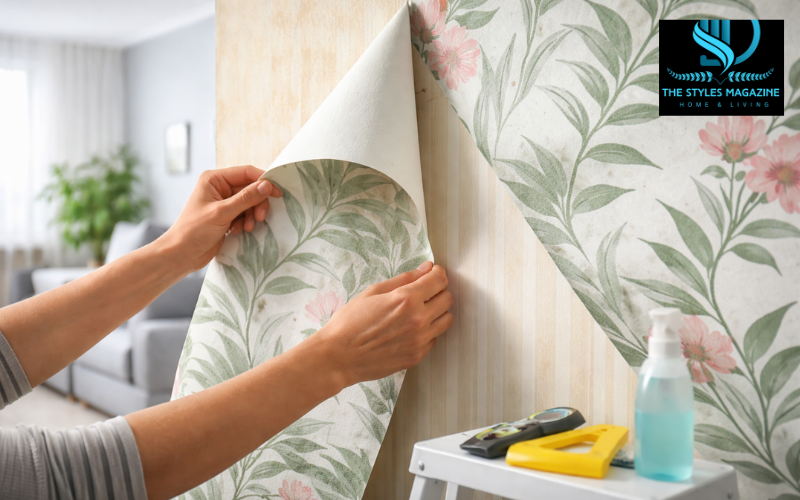
Peel and stick wallpaper has quickly become one of the most popular ways to refresh a room without a big renovation. It is a self-adhesive wall covering that works like a large sticker. You simply peel off the backing and stick it to the wall—no paste, no mess, and no long-term commitment.
Because of its ease of use, many people wonder if they can apply peel and stick wallpaper on wallpaper instead of removing the old layer. For renters or homeowners who want a quick update, this idea sounds perfect. It saves time, avoids wall damage, and feels like a simple shortcut.
The truth, however, is a bit more complex. In some situations, peel and stick wallpaper on wallpaper works surprisingly well. In others, it can lead to peeling edges, uneven surfaces, or even damage when removed. The outcome depends heavily on the condition and type of the existing wallpaper.
In this guide, you will learn when this method works, when it does not, what risks to expect, and how to prepare properly. By the end, you will have a clear and realistic understanding before you start your project.
When It Works vs When It Doesn’t
| Situation | Works Well ✅ | Avoid ❌ |
| Smooth, flat wallpaper | ✔ Yes | |
| Matte or paper-based surface | ✔ Yes | |
| Textured or embossed wallpaper | ❌ No | |
| Vinyl or glossy wallpaper | ❌ No | |
| Peeling or damaged wallpaper | ❌ No | |
| Multiple wallpaper layers | ❌ No |
Understanding How Peel and Stick Wallpaper Works
Peel and stick wallpaper uses a pressure-sensitive adhesive. This means it sticks best when pressed firmly onto a smooth and clean surface. Unlike traditional wallpaper paste, it does not soak into the wall. Instead, it relies entirely on surface contact.
This is why manufacturers often recommend applying it to painted, primed walls. These surfaces are even, dry, and allow the adhesive to grip properly. When you apply peel and stick wallpaper on wallpaper, the adhesive must bond to the top layer instead of the wall itself.
If the existing wallpaper is smooth and secure, the adhesive can hold well. But if the surface is textured, dusty, or slightly loose, the bond becomes weaker. Over time, this can lead to lifting edges or falling panels.
Preparation plays a major role here. Even a small amount of dust or oil can affect adhesion. The smoother and cleaner the surface, the better the results. This is why taking time to prepare properly often makes the difference between success and frustration.
When You Can Safely Apply Peel and Stick Wallpaper on Wallpaper
There are situations where peel and stick wallpaper on wallpaper can work successfully. The key is starting with the right base.
The best results happen when the existing wallpaper is flat, smooth, and firmly attached to the wall. Paper-based wallpaper with a matte finish is usually the safest option. It allows the adhesive to grip better compared to shiny or coated surfaces.
Another important factor is the condition of the wallpaper. If there are no bubbles, peeling edges, or damaged areas, the new layer is more likely to stay in place. The smoother the base, the cleaner the final look.
This method is especially popular for renter friendly wallpaper over wallpaper. Since peel and stick options are removable, renters often use them to update a space without making permanent changes. When applied over a stable surface, it can provide a temporary but stylish solution.
However, even in good conditions, it is always wise to test a small area first. This helps confirm whether the adhesive will hold properly before committing to the entire wall.
When You Should Avoid Applying Wallpaper Over Wallpaper
While it may seem convenient, there are many situations where applying peel and stick wallpaper on wallpaper is not recommended.
Textured wallpaper is one of the biggest challenges. Raised patterns, embossed designs, or materials like grasscloth create an uneven surface. When you apply a new layer over these textures, the pattern often shows through. This not only affects the look but also prevents proper adhesion. If you are wondering, can you put peel and stick wallpaper over textured wallpaper, the simple answer is no in most cases.
Vinyl-coated or glossy wallpaper is another problem. These surfaces are non-porous, meaning the adhesive has nothing to grip onto. As a result, the wallpaper may start peeling off within days or weeks.
Damaged wallpaper is also a risk. If the old layer is already lifting, your new wallpaper will only be as stable as what is underneath. The same applies to walls with multiple layers of wallpaper. Extra thickness can create an uneven finish and make future removal much more difficult.
In these cases, removing the old wallpaper or preparing the wall properly is usually the better choice.
Common Problems You Might Face After Installation
Even when conditions seem right, applying peel and stick wallpaper on wallpaper can come with a few common issues.
One of the most frequent problems is peeling edges. If the adhesive does not bond strongly, the corners or seams may start lifting over time. This is often caused by dust, moisture, or an uneven surface.
Another issue is ghosting. This happens when the pattern or color of the old wallpaper shows through the new one. Light-colored designs are especially vulnerable to this. What looks fine at first can become noticeable in certain lighting.
Moisture is also a concern, especially in humid areas. When you place one layer over another, you can trap moisture between them. This can lead to mold or mildew growth over time.
This is why peel and stick wallpaper for bathroom use needs extra caution. Bathrooms have high humidity, and layering wallpaper can increase the risk of long-term damage.
Understanding these problems in advance helps you make a more informed decision.
Step-by-Step Preparation Before Installing
If you decide to move forward, preparation is the most important step.
Start by testing a small sample. Apply it to a hidden area and leave it for at least 24 hours. This will show you how well it sticks and whether any issues appear.
Next, clean the surface thoroughly. Use a mild cleaner or a mix of water and rubbing alcohol to remove dust, grease, and residue. Even a clean-looking wall can have invisible buildup that affects adhesion.
After cleaning, check for loose seams or edges. These should be secured using adhesive or seam sealer. A stable base is essential for long-lasting results.
Light sanding can also help, especially if there are raised seams. It smooths out the surface and improves contact with the new wallpaper.
Applying a primer is optional but highly recommended. It creates a stronger and more even surface for the adhesive to grip onto. This step can significantly improve durability.
Installation Tips for a Smooth, Professional Finish
When installing peel and stick wallpaper on wallpaper, technique matters just as much as preparation.
Avoid following the existing seams as your guide. They may not be perfectly straight. Instead, use a level or draw a vertical line to ensure your first panel is aligned properly.
As you apply each panel, press it down slowly and evenly. This helps prevent air bubbles and wrinkles. Using a smoothing tool or even a soft cloth can make the process easier.
If bubbles appear, gently lift the section and reapply it. Working carefully in small sections gives better control and a cleaner finish.
Thick peel and stick wallpaper can be helpful in some cases. It may reduce the chances of ghosting from the old wallpaper underneath. However, thicker materials can also be harder to adjust during installation, so patience is important.
Taking your time during this step makes a big difference in how the final result looks.
Peel and Stick vs Traditional Wallpaper: Which Is Better Here?
When deciding between peel and stick and traditional wallpaper, it helps to understand how they differ.
Peel and stick wallpaper is easier to install and remove. It is ideal for temporary updates and works well for renters. However, its adhesion depends heavily on the surface, which can be a limitation when applied over existing wallpaper.
Traditional wallpaper uses paste, which bonds more deeply with the wall. This makes it more durable and reliable on a wider range of surfaces. It is often a better choice when dealing with uneven or challenging walls.
Removal is another key difference. Peel and stick wallpaper is designed to come off easily, but when applied over wallpaper, it may pull off the layer underneath. Traditional wallpaper, while harder to remove, usually stays in place more securely during its lifespan.
In situations where the base surface is not ideal, traditional wallpaper may actually be the safer option.
Exploring Alternatives: Spray and Stick Wallpaper and Other Options
If peel and stick wallpaper on wallpaper does not seem suitable, there are other options to consider.
Spray and stick wallpaper is one alternative. It uses a spray adhesive that can sometimes offer better coverage on uneven surfaces. However, it still requires a stable base and proper preparation.
Other renter-friendly solutions include wall decals, fabric panels, or removable wall coverings designed specifically for temporary use. These options can provide a similar visual effect without the risks associated with layering wallpaper.
Choosing the right method depends on your goals, the condition of your walls, and how long you plan to keep the design.
Real User Experiences and Practical Insights
Many people turn to online forums to share their experiences with peel and stick wallpaper on wallpaper. Discussions on platforms like peel and stick wallpaper on wallpaper Reddit often highlight both successes and failures.
Some users report great results when applying it over smooth, well-maintained wallpaper. They find it easy, quick, and perfect for temporary updates.
Others mention issues like peeling edges, visible textures underneath, or difficulty removing the wallpaper later. These problems usually come from skipping preparation or applying it to unsuitable surfaces.
A common lesson from these experiences is that preparation and realistic expectations matter more than anything else. When people take the time to prepare properly, they are more likely to be satisfied with the results.
How to Choose the Best Peel and Stick Wallpaper for This Use
Choosing the right product can improve your chances of success.
The best peel and stick wallpaper for this situation is one with strong adhesive and a slightly thicker material. This helps it stick better and reduces the chances of patterns showing through.
Material quality also matters. Some wallpapers are designed specifically for easy removal, while others focus on durability. Finding the right balance is important, especially when applying it over another layer.
Thick peel and stick wallpaper can be helpful in hiding minor imperfections. However, it is not a complete solution for heavily textured or damaged surfaces.
Looking for trusted brands and reading reviews can give you a better idea of what to expect before making a choice.
Conclusion
Peel and stick wallpaper on wallpaper can work, but only under the right conditions. A smooth, clean, and well-adhered surface is essential for good results. Without proper preparation, problems like peeling, ghosting, or uneven finishes are likely to appear.
For renters and homeowners, this method offers a convenient and flexible way to update a space. However, it is not always the best solution, especially when the existing wallpaper is textured, damaged, or coated.
The key takeaway is simple: preparation and surface condition matter more than anything else. By understanding the risks and following the right steps, you can decide whether this approach is suitable for your space.
In the end, taking a little extra time to prepare can save you from bigger problems later and help you achieve a cleaner, more professional result.
FAQs
Can You Put Peel And Stick Wallpaper On Wallpaper?
Yes, but only if the existing wallpaper is smooth, clean, and firmly attached. Textured or damaged surfaces can cause poor adhesion and uneven results.
Can Peel And Stick Wallpaper Go Over Textured Wallpaper?
In most cases, no. The texture will show through and prevent proper sticking, leading to bubbles and peeling over time.
Is Peel And Stick Wallpaper Renter Friendly Over Wallpaper?
It can be renter-friendly if applied on a stable surface. However, removal may pull off the old wallpaper, so testing first is important.
Does Peel And Stick Wallpaper Work In Bathrooms?
It can work, but humidity increases the risk of peeling and moisture damage. Proper surface prep and ventilation are essential for better results.
What Is The Best Peel And Stick Wallpaper For This Use?
A thicker, high-quality wallpaper with strong adhesive works best. It helps reduce ghosting and improves grip on smooth wallpaper surfaces.
Enjoyed it? Find more exclusive content on The Styles Magazine.
Disclaimer: This content is for informational purposes only. Results may vary depending on wall condition, materials, and environment. Always test a small area before full application to avoid damage or unexpected issues.