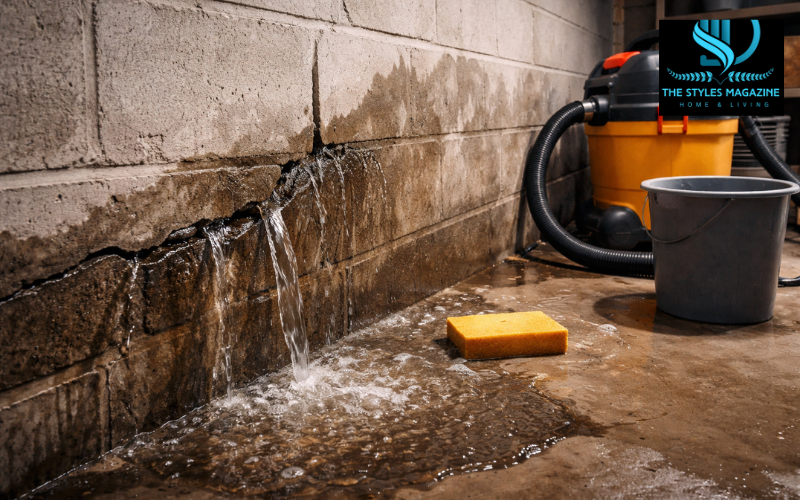
Water seeping through basement wall is a problem many homeowners face at some point, especially in areas with heavy rain or high groundwater levels. It usually shows up as damp patches, slow moisture, or even visible water trickling through the wall. In some cases, the issue appears suddenly after a storm, while in others, it develops quietly over time without obvious signs.
This problem is common because basements sit below ground level, which means they are constantly surrounded by soil that can hold water. When that soil becomes saturated, moisture naturally looks for a way inside, and basement walls often become the easiest entry point.
You might notice water leaking into your basement after heavy rain, or you may see signs of hidden moisture without any clear leak. In both situations, the key to solving the problem is understanding what is causing it. Fixing the surface without addressing the root cause can lead to repeated issues, which is why it’s important to take a closer look before choosing a solution.
How to Stop Water Seeping Through Basement Wall
| Step | What to Do | Why It Matters |
| 1 | Remove standing water & dry area | Prevents mold and damage |
| 2 | Seal visible cracks | Blocks direct water entry |
| 3 | Clean gutters & extend downspouts | Moves water away from foundation |
| 4 | Fix yard grading | Stops water from pooling near walls |
| 5 | Apply waterproof coating | Adds extra moisture protection |
| 6 | Install drainage system if needed | Handles long-term water pressure |
Understanding Why Water Seeps Through Basement Walls
The main reason behind water seeping through basement wall is something called hydrostatic pressure. In simple terms, this happens when water builds up in the soil around your home. As the soil becomes heavy and saturated, it starts pushing against your foundation walls. Over time, this pressure forces moisture through tiny openings, cracks, or even solid concrete.
Concrete might look strong, but it is not completely waterproof. It has small pores that can allow water to pass through when pressure is high enough. This is why even homes with no visible damage can still experience moisture problems.
There is also a difference between visible leaks and hidden seepage. Visible leaks are easier to spot because water enters through cracks or gaps. Hidden seepage, on the other hand, can be more confusing. Many homeowners report water seeping through basement wall but no leak, which usually means the moisture is entering through porous materials rather than a clear opening.
Common Situations When Basement Seepage Happens
Basement seepage often appears during certain conditions, making it easier to notice patterns. One of the most common situations is after storms or long periods of rainfall. When the ground becomes saturated, water pressure increases and pushes moisture into the basement.
Seasonal changes can also play a role. During spring or rainy seasons, rising groundwater levels can lead to water seeping through wall when it rains. This may happen even if your basement has been dry in the past.
Some homeowners experience sudden leaks, where water appears quickly and noticeably. Others deal with slow moisture buildup that gradually worsens over time. In many cases, water leaking into basement after heavy rain is a sign that the drainage system around the home is not working properly.
Signs You Should Not Ignore in Basement Moisture Issues
Basement water problems do not always show up as obvious leaks. Often, the early signs are subtle and easy to overlook. Damp walls, discoloration, or peeling paint can indicate that moisture is entering from outside. These signs may appear before any visible water is seen.
A musty smell is another common warning sign. It usually means that moisture has been present for some time, creating the perfect environment for mold and mildew. High humidity levels can also make the basement feel uncomfortable and unhealthy.
In more noticeable cases, water may appear along joints, cracks, or where the wall meets the floor. This area is known for being a weak point where moisture can easily enter. Some homeowners also notice water seeping through basement floor, which can be linked to similar pressure issues beneath the foundation.
Main Causes of Water Entering Basement Walls
There are several reasons why water may enter basement walls, and identifying the correct cause is essential for fixing the problem properly. One of the most common causes is poor exterior drainage. When gutters are clogged or downspouts are too short, rainwater collects near the foundation instead of being directed away.
Improper yard grading can also contribute to the issue. If the ground slopes toward the house instead of away from it, water naturally flows toward the foundation and increases pressure on the walls.
Foundation cracks are another major factor. Even small cracks can act as entry points for water, allowing it to seep through during wet conditions. In these situations, homeowners may notice water coming in basement wall crack or along visible gaps.
Weak or porous concrete can also allow moisture to pass through, especially when combined with high pressure from saturated soil. In some cases, people report water coming through basement concrete wall even when there are no obvious cracks.
The cove joint, which is the area where the wall meets the floor, is another common entry point. This joint can shift slightly over time, creating a small gap that allows water to enter.
How to Stop Water Seeping Through Basement Walls (Step-by-Step Approach)
When dealing with water seeping through basement wall, it is important to act quickly but also think long term. The first step is to manage any active seepage. Removing standing water and improving airflow can help prevent further damage and reduce moisture levels.
Once the area is dry, sealing cracks and joints is an important next step. Flexible sealants or repair materials can help block small openings and prevent water from entering again. However, sealing alone is not always enough if the underlying issue is not addressed.
Improving drainage around the home is one of the most effective ways to reduce pressure on basement walls. This can include cleaning gutters, extending downspouts, and making sure water flows away from the foundation.
For long-term results, waterproofing strategies may be needed. This can involve applying protective coatings to interior walls or installing drainage systems that redirect water away from the basement. Anyone searching for how to stop water seeping through basement wall should focus on both immediate fixes and long-term prevention.
Interior vs Exterior Waterproofing: What Actually Works Better
Waterproofing solutions generally fall into two categories: interior and exterior methods. Interior waterproofing focuses on managing water after it enters the basement. This may include sealants, drainage systems, or sump pumps that remove water from inside.
Exterior waterproofing, on the other hand, aims to stop water before it reaches the foundation. This can involve improving drainage, applying waterproof membranes, or adjusting the soil around the home.
In some cases, interior solutions are enough, especially when dealing with minor moisture issues. However, if water pressure is high or the problem is severe, exterior waterproofing may be necessary to fully solve the issue.
Each approach has its pros and limitations. Interior methods are usually easier and less expensive, but they do not always address the root cause. Exterior solutions can be more effective, but they often require more time and effort.
When Basement Seepage Happens Without Visible Cracks
One of the most confusing situations for homeowners is when water appears without any visible cracks or damage. This often leads to the question of why water seeping through basement wall but no leak is happening.
In many cases, the answer lies in hidden entry points. Concrete walls can absorb water through tiny pores, especially when the surrounding soil is saturated. This process is known as capillary action, where moisture moves through small spaces within the material.
Pressure buildup behind the walls can also force water through these pores, even if the surface looks solid. This is why it is possible to have moisture problems without any obvious signs of damage.
DIY Fixes vs Professional Waterproofing Solutions
Many homeowners try to fix basement water issues on their own, especially when the problem seems minor. Simple tasks like cleaning gutters, sealing small cracks, and improving drainage can often be handled without professional help.
However, there are situations where expert assistance is necessary. If water continues to enter despite basic fixes, or if there are signs of structural issues, it may be time to consult a professional. Larger problems, such as bowing walls or major cracks, require specialized solutions.
Cost is often a factor when deciding between DIY and professional work. While DIY methods can save money in the short term, they may not always provide lasting results. Ignoring the problem or applying temporary fixes can lead to more expensive repairs later.
What Homeowners Are Saying (Real Experiences & Insights)
Many homeowners share their experiences online, and common patterns can be seen in discussions such as water seeping through basement wall reddit threads. A frequent concern is confusion about why water appears without visible cracks, which often leads to delayed action.
Another common issue is underestimating the importance of proper drainage. Many people focus on sealing walls without addressing the outside conditions, which results in recurring problems.
There are also stories of homeowners trying multiple quick fixes before realizing that a more complete solution was needed. These experiences highlight the importance of understanding the cause rather than just treating the symptoms.
Preventing Future Basement Water Problems
Preventing basement water issues is often easier than fixing them after they occur. Regular maintenance plays a key role in keeping your home protected. Simple steps like cleaning gutters and ensuring downspouts direct water away from the house can make a big difference.
Proper landscaping is also important. The ground around your home should slope away from the foundation to prevent water from collecting near the walls. Seasonal checks can help identify potential problems before they become serious.
Keeping an eye on early warning signs, such as damp spots or musty odors, can also help you take action before the issue worsens. Preventive care not only protects your basement but also saves time and money in the long run.
Conclusion
Water seeping through basement wall is a common issue, but it is not something that should be ignored. While it may start as a minor inconvenience, it can lead to larger problems if left untreated. The key is to understand what is causing the moisture and address it properly.
By identifying the root cause, improving drainage, and choosing the right repair methods, homeowners can effectively manage and prevent basement water issues. Whether the problem appears after heavy rain or develops slowly over time, taking timely action can help protect both your home and your peace of mind.
FAQs
Why Is Water Seeping Through My Basement Wall After Rain?
Heavy rain saturates the soil, creating pressure that forces water through cracks or porous concrete, especially if drainage around your home is poor.
Can Water Seep Through Basement Walls Without Visible Cracks?
Yes, concrete is porous. Water can pass through tiny openings even if no cracks are visible, especially under high pressure.
Is Basement Wall Seepage Dangerous?
It can lead to mold, structural damage, and unhealthy air if ignored, so it’s important to fix the issue early.
What Is The Fastest Way To Stop Basement Wall Leaks?
Dry the area, seal cracks, and improve drainage immediately. Long-term fixes may include waterproofing or installing a drainage system.
When Should I Call A Professional?
If seepage continues, walls are damaged, or water enters from multiple areas, a professional waterproofing expert is recommended.
Enjoyed it? Find more exclusive content on The Styles Magazine.
Disclaimer: This content is for general informational purposes only. While we aim to provide accurate and helpful guidance, every home situation is different. For serious or structural issues, always consult a qualified professional.