An accent wall is a single wall in a room that is designed differently from the others to draw attention. This difference can come from color, texture, pattern, or material. Instead of changing the entire room, an accent wall gives you a simple way to refresh your space with minimal effort.
In modern home design, accent walls have become very popular because they offer a balance between creativity and practicality. Many homeowners want their spaces to feel unique and stylish, but they also prefer solutions that are affordable and easy to update. An accent wall does exactly that by adding personality without requiring a full renovation.
One of the main reasons people choose an accent wall is its ability to instantly enhance a room. It can make a space feel more lively, more organized, or even more spacious depending on the design. Whether it is a bold paint color, a textured finish, or a decorative wallpaper, the right accent wall can completely change how a room feels.
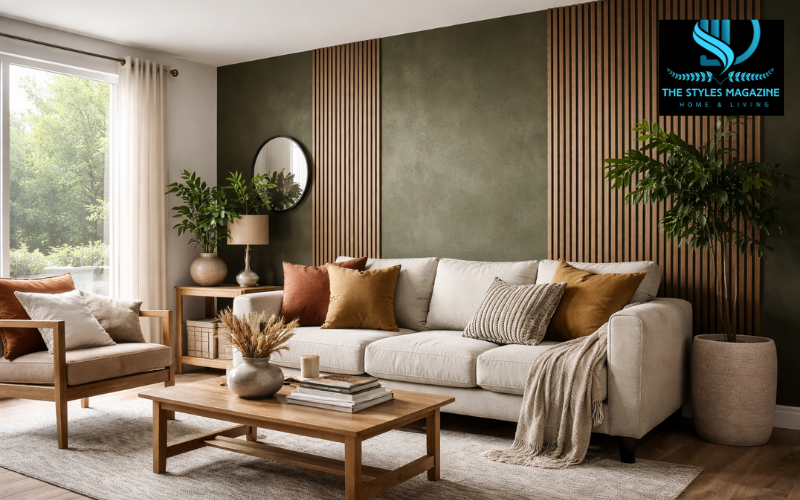
In 2026, accent wall trends are focused on warmth, natural tones, and texture. Earthy colors like olive green, rust red, and mustard yellow are becoming more common, along with materials that add depth, such as wood panels and stone finishes. These trends reflect a growing interest in comfort, nature, and timeless design.
Accent Wall Overview
| Feature | Details |
| Concept | One wall styled differently to create visual interest |
| Purpose | Adds focus, depth, and personality to a room |
| Best Placement | Behind bed, sofa, or main entry-view wall |
| Popular Colors (2026) | Olive green, rust red, mustard yellow, earthy neutrals |
| Materials | Paint, wood paneling, wallpaper, stone, 3D panels |
| Cost Range | Low (paint) to medium/high (wood, stone, panels) |
| Difficulty Level | Easy (paint/wallpaper) to moderate (paneling/texture work) |
| Best For | Living rooms, bedrooms, offices, small spaces |
| Design Rule | Follow 60-30-10 color balance |
| Lighting Impact | Dark = cozy/intimate, Light = open/spacious |
What Makes an Accent Wall Stand Out in Modern Interiors
An accent wall stands out because it serves a clear purpose in a room. It is not just about decoration; it is about creating a visual anchor. When someone enters a room, their eyes are naturally drawn to a specific point, and an accent wall helps guide that attention.
The main role of an accent wall is to create a focal point. In a living room, this might be the wall behind the sofa. In a bedroom, it is often the wall behind the bed. By highlighting this area, the room feels more organized and visually appealing.
Color and contrast play an important role in this effect. A darker shade against lighter walls can create depth, while a bold pattern can add energy. On the other hand, a soft and textured accent wall can bring calmness and warmth. The psychology of color also matters. Warm tones can make a space feel cozy, while cooler tones can create a sense of calm and openness.
In modern interiors, simplicity is key. An accent wall works best when it enhances the room without overwhelming it. It should feel intentional and connected to the rest of the space.
Choosing the Right Wall for Maximum Impact
Selecting the right wall is one of the most important steps in creating an effective accent wall. Not every wall in a room is suitable, and choosing the wrong one can reduce the overall impact.
The best walls for an accent wall are usually the ones you notice first when entering a room. In a bedroom, this is often the wall behind the bed. In a living room, it could be the wall behind the sofa or television. These areas naturally draw attention, making them perfect for highlighting.
Entry-view walls work well because they immediately create a strong impression. When the accent wall is visible as soon as you walk in, it sets the tone for the entire space.
On the other hand, it is important to avoid walls that are too busy. Walls with multiple doors, windows, or built-in features can break the visual flow. Instead of creating a clean focal point, they may make the design feel cluttered. A simple, uninterrupted wall allows the accent design to stand out clearly.
Trending Accent Wall Colors for 2026
Color trends for accent walls in 2026 are moving toward earthy and natural tones. Shades like olive green, warm rust, mustard yellow, and deep brown are becoming popular because they create a sense of comfort and connection to nature.
These colors are not only stylish but also versatile. They work well with neutral backgrounds and can easily blend with different types of furniture and decor. They also add warmth to a room, making it feel more inviting.
The choice between light and dark shades depends on the effect you want to achieve. Dark colors can make a room feel more intimate and cozy, but they may also make small spaces appear smaller. Light colors, on the other hand, reflect more light and can make a room feel open and airy.
When choosing a color for your accent wall, it is important to consider the existing color palette of the room. The goal is to complement the space, not clash with it. A well-chosen accent color should feel like a natural extension of the room’s overall design.
Popular Accent Wall Materials and Finishes
While paint remains the most common choice for an accent wall, there are many other materials that can add texture and character.
Painted accent walls are simple, affordable, and easy to update. They are ideal for those who want a quick transformation without a big investment.
Wood paneling is another popular option. Vertical wood slats can make a room appear taller and more modern. Board and batten designs create a structured, geometric look, while shiplap offers a more relaxed and rustic feel.
Wallpaper has also evolved in recent years. Modern peel-and-stick options make it easier to apply and remove, allowing homeowners to experiment with patterns and designs without long-term commitment. Botanical prints, abstract designs, and large murals are especially popular.
For a more dramatic effect, textured finishes such as stone veneer, faux brick, or 3D panels can be used. These materials add depth and create a high-end look that feels both modern and timeless.
Creative Accent Wall Ideas for Different Rooms
An accent wall can be adapted to suit any room in the home. In the living room, it can serve as a backdrop for the seating area or entertainment space. A bold color or textured finish can make the area feel more inviting and stylish.
In the bedroom, the wall behind the bed is the most common choice. A soft color, wood paneling, or subtle wallpaper can create a calming environment that supports rest and relaxation.
Dining areas and workspaces can also benefit from an accent wall. In a dining room, it can add warmth and make the space feel more welcoming. In a home office, it can boost creativity and focus by adding visual interest.
For small rooms, it is important to keep the design simple. A lighter color or a subtle pattern can add depth without making the space feel crowded. Even a small accent wall can make a big difference when done thoughtfully.
How to Balance Colors with the 60-30-10 Rule
The 60-30-10 rule is a simple guideline that helps create a balanced color scheme in any room. According to this rule, 60% of the room should be a dominant color, 30% should be a secondary color, and 10% should be an accent color.
In this setup, the accent wall usually falls into the 10% category. This means it should stand out without overpowering the room. The remaining colors should support and complement it.
For example, a room with neutral walls and furniture can use a bold accent wall to add interest. The accent color can then be repeated in smaller elements like cushions, rugs, or artwork to create a cohesive look.
This approach ensures that the design feels balanced and visually pleasing rather than overwhelming.
Lighting and Its Effect on Accent Walls
Lighting plays a major role in how an accent wall looks and feels. Natural light can enhance colors and make them appear more vibrant, while artificial lighting can change the tone and mood of the space.
Dark accent walls tend to absorb light, which can make a room feel smaller or more intimate. This can be a great choice for creating a cozy atmosphere, especially in bedrooms or lounges. Light-colored accent walls, on the other hand, reflect light and can make a room feel larger and more open.
To get the best results, it is important to consider the direction and amount of light in the room. Adding proper lighting, such as wall lights or spotlights, can highlight the accent wall and enhance its effect.
Styling Your Accent Wall for a Cohesive Look
An accent wall should not feel separate from the rest of the room. Instead, it should connect with the overall design.
One way to achieve this is by matching decor elements. Colors from the accent wall can be repeated in cushions, rugs, curtains, or artwork. This creates a sense of unity and makes the design feel intentional.
Gallery walls are another effective way to style an accent wall. A collection of framed photos, art pieces, or decorative objects can add personality and make the wall more functional.
At the same time, it is important to avoid visual clutter. Too many elements can distract from the main purpose of the accent wall. Keeping the design simple and well-organized helps maintain a clean and modern look.
Common Accent Wall Mistakes to Avoid
While accent walls are simple in concept, there are a few common mistakes that can reduce their impact.
One of the most frequent issues is overusing bold colors. While strong colors can be attractive, using them without balance can make a room feel overwhelming.
Choosing the wrong wall is another common mistake. If the wall does not naturally draw attention, the accent may feel out of place.
Ignoring the size of the room and the lighting conditions can also lead to problems. A dark accent wall in a small, poorly lit room may make the space feel cramped.
Finally, selecting the wrong material can affect the overall look. It is important to choose materials that match the style of the room and are suitable for the environment.
Budget-Friendly Ways to Create an Accent Wall
Creating an accent wall does not have to be expensive. There are many affordable options that can still deliver great results.
Paint is the most budget-friendly choice. Simple techniques, such as color blocking or geometric patterns, can add interest without extra cost.
DIY paneling is another option. With basic materials and a bit of effort, you can create designs like board and batten or wood slats at a lower cost.
Peel-and-stick wallpaper is also a popular choice for those on a budget. It is easy to apply, easy to remove, and available in a wide range of designs.
These options make it possible to experiment with different styles without making a long-term commitment.
Conclusion
An accent wall is one of the simplest ways to transform a space without a full renovation. By focusing on a single wall, you can add color, texture, and personality to a room while keeping the overall design balanced.
The key to a successful accent wall lies in thoughtful choices. From selecting the right wall and color to considering lighting and materials, each decision plays a role in the final result.
As trends continue to evolve in 2026, accent walls remain a practical and creative solution for modern interiors. With the right approach, they can enhance any room and reflect your personal style.
Experimenting with different ideas can be rewarding, but maintaining balance is essential. A well-designed accent wall should feel natural, cohesive, and inviting, making your space more enjoyable every day.
FAQs (People Also Ask)
What Is The Purpose Of An Accent Wall?
An accent wall creates a focal point in a room, making the space more visually interesting without redesigning the entire area.
Which Wall Should Be An Accent Wall?
The best choice is usually the wall you see first when entering, such as behind a bed, sofa, or main feature.
Are Accent Walls Still In Style In 2026?
Yes, accent walls are still popular, especially with earthy tones, textured finishes, and modern panel designs.
Should An Accent Wall Be Lighter Or Darker?
It depends on your goal. Dark colors add depth and coziness, while lighter shades make the room feel more open.
Can I Create An Accent Wall On A Budget?
Yes, using paint, DIY paneling, or peel-and-stick wallpaper are affordable ways to achieve a stylish accent wall.
Disclaimer: This article is for informational and educational purposes only. Design choices may vary based on personal preferences, space conditions, and budget. Always test materials and consult professionals when needed before making permanent changes.
Loved Reading This? Discover More Exclusive Stories And Updates At The Styles Magazine!