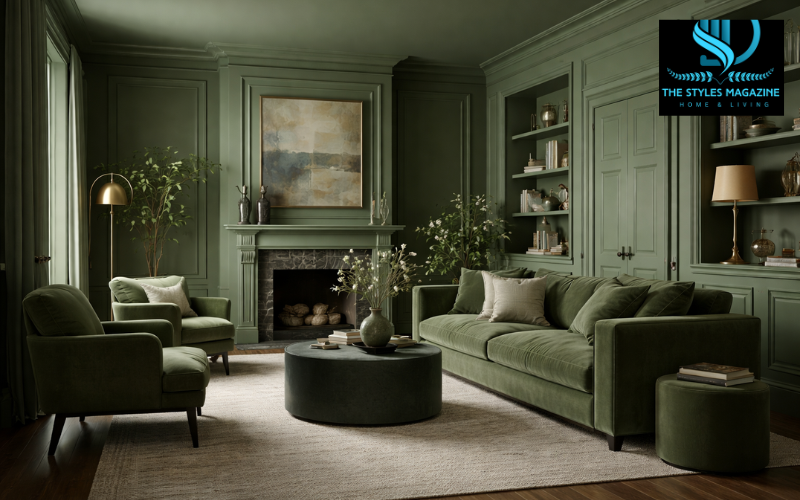
Color drenching is a modern interior design technique where a single paint color is used across an entire room, covering walls, ceilings, trim, doors, and sometimes even furniture. Instead of breaking up the space with contrasting shades like white trim or a different ceiling color, everything blends together into one seamless look. The result is a space that feels unified, intentional, and visually striking.
In recent years, color drenching has become one of the most talked-about trends in interior design. As people move away from overly neutral spaces and look for more personality in their homes, this approach offers a fresh way to use color without making a room feel chaotic. It allows homeowners to create mood, depth, and character using a single shade rather than multiple competing tones.
In this guide, you will learn what color drenching really means, why it is gaining so much attention in 2026, and how you can use it effectively in your own home. Whether you prefer soft, calming tones or deep, dramatic shades, this technique can help you transform any space with confidence.
Color Drenching at a Glance
| Aspect | Details |
| Definition | Using one color across all surfaces in a room |
| Best For | Small rooms, bedrooms, hallways, offices |
| Main Benefit | Creates a cohesive and immersive look |
| Color Choice | Light for airy feel, dark for cozy mood |
| Finishes | Mix matte, satin, or gloss for depth |
| Common Mistake | Leaving ceiling or trim a different color |
What Color Drenching Really Means in Modern Interior Design
Color drenching may sound bold, but the idea behind it is surprisingly simple. It involves painting every surface in a room with the same color or closely related tones. This includes not only the walls but also the ceiling, trim, doors, and sometimes built-in features like shelves or radiators. By doing this, the room becomes one continuous visual experience instead of a collection of separate elements.
In traditional painting styles, designers often use contrast to define a space. For example, white trim is commonly used to frame walls, and ceilings are usually painted lighter to create separation. Color drenching removes these contrasts. Instead of highlighting boundaries, it softens them. This creates a smoother, more immersive environment where the focus shifts from individual features to the overall atmosphere.
Modern interior design embraces this concept because it aligns with the idea of simplicity and cohesion. Rather than relying on multiple colors to create interest, color drenching uses light, texture, and subtle variations in finish to bring a room to life.
Why Color Drenching Is Gaining Popularity in 2026
The rise of color drenching is closely tied to broader changes in how people think about their homes. In 2026, there is a clear shift toward spaces that feel personal, calming, and expressive at the same time. Many homeowners are moving away from plain, all-white interiors and looking for ways to add depth without overwhelming the space.
One reason for this trend is the influence of minimalism. While minimalism once focused heavily on neutral tones, it has evolved into something more flexible. Now, it is less about removing color and more about using it in a thoughtful and controlled way. Color drenching fits perfectly into this approach because it keeps the palette simple while still making a strong visual statement.
Another factor is the growing desire for mood-driven spaces. People want their homes to reflect how they want to feel. Soft, muted colors can create a calm and relaxing environment, while darker shades can make a room feel cozy and intimate. Color drenching allows for this kind of emotional impact without adding visual clutter.
Social media and design platforms have also played a role in popularizing this style. As more designers and homeowners share bold, immersive spaces, color drenching has quickly moved from a niche idea to a mainstream design choice.
Key Benefits of Using Color Drenching in Your Home
One of the most appealing aspects of color drenching is how it can change the perception of space. When walls, ceilings, and trim are all the same color, the edges of the room become less defined. This can make small or awkward spaces feel larger and more open because the eye is not interrupted by sharp contrasts.
At the same time, color drenching can create a cocooning effect, especially when using deeper shades. A room painted entirely in a rich tone can feel warm, inviting, and comfortable. This makes it an excellent choice for areas where relaxation is important, such as bedrooms or reading corners.
Another benefit is how it highlights architectural details in a subtle way. Instead of relying on contrasting colors to draw attention, features like moldings or paneling stand out through shadows and texture. This creates a more refined and elegant look.
Color drenching is also practical in many situations. It can help hide imperfections such as uneven walls, exposed pipes, or outdated radiators by blending them into the overall design. When everything shares the same color, these elements become less noticeable and less distracting.
How to Apply Color Drenching the Right Way
To achieve the best results with color drenching, it is important to commit fully to the concept. This means painting not only the walls but also the ceiling, trim, and doors in the same color. Leaving the ceiling white or using a contrasting trim can break the effect and make the space feel unfinished.
Consistency is key when applying this technique. The goal is to create a smooth, uninterrupted flow throughout the room. This does not mean everything has to look identical, but the color should remain consistent across all surfaces.
At the same time, attention to detail is essential. Clean lines, even coverage, and proper preparation can make a big difference in the final result. Small mistakes become more noticeable when the entire room is one color, so taking the time to do it properly is worth the effort.
It is also important to avoid common mistakes. Choosing a color that is too intense without testing it first can make the room feel overwhelming. Skipping the ceiling or mixing unrelated shades can reduce the impact of the design. Planning ahead and testing samples in different lighting conditions can help ensure a successful outcome.
Using Different Paint Finishes to Add Depth
While color drenching uses a single color, it does not have to feel flat. One of the most effective ways to add depth is by using different paint finishes on various surfaces. For example, walls can be painted in a matte finish, while trim and doors can have a slight sheen such as satin or semi-gloss.
These subtle differences in finish reflect light in different ways, creating contrast without changing the color itself. This helps maintain the cohesive look while still adding visual interest.
Using finishes thoughtfully can also enhance the functionality of the space. More durable finishes are often better for high-touch areas like doors and trim, while softer finishes work well for walls. By combining these options, you can achieve both style and practicality.
Exploring Double Drenching for Subtle Contrast
Double drenching is a variation of color drenching that introduces a second, closely related shade. Instead of using one exact color throughout the room, this approach uses two tones from the same color family. The difference is usually subtle, such as a slightly lighter or darker version of the main color.
This technique adds a layer of depth and movement to the space without breaking the overall harmony. It can be especially useful in larger rooms where a single color might feel too uniform.
Double drenching works best when the tones are carefully chosen. They should complement each other and feel connected rather than contrasting. When done well, this approach creates a dynamic yet balanced look that still maintains the essence of color drenching.
Best Rooms to Try Color Drenching First
Color drenching can be used in almost any room, but some spaces are particularly well suited for this technique. Smaller areas, such as powder rooms or narrow hallways, are often the best place to start. These spaces allow you to experiment with bold colors without committing to a larger area.
Bedrooms and living rooms are also popular choices because they benefit from the mood-enhancing qualities of color drenching. A soft, consistent color can create a calming environment, while a darker tone can make the space feel more intimate and cozy.
Home offices and creative spaces are another great option. Using a single color throughout the room can reduce visual distractions and help create a focused atmosphere. At the same time, it adds personality and style to the space.
Choosing the Right Colors for a Balanced Look
Selecting the right color is one of the most important steps in color drenching. Light shades can make a room feel airy and spacious, while darker tones create a more dramatic and enclosed effect. Both options can work well, depending on the mood you want to achieve.
Warm tones, such as soft browns or muted reds, can make a space feel inviting and comfortable. Cool tones, like blues and greens, tend to create a calm and refreshing atmosphere. Understanding how different colors affect mood can help you choose the best option for each room.
It is also important to consider the purpose of the space. A bedroom may benefit from soothing, gentle colors, while a dining room might feel more engaging with a richer, deeper tone. Testing colors in your space and observing them throughout the day can help you make a confident decision.
Challenges to Consider Before Using Color Drenching
While color drenching offers many benefits, it is not always the right choice for every space. Open-concept layouts can be more challenging because there are fewer natural boundaries. Using one color across a large, connected area may feel overwhelming or limit flexibility.
Lighting is another important factor. Natural and artificial light can change how a color appears throughout the day. A shade that looks perfect in one setting may feel too dark or too bright in another.
There is also the question of long-term flexibility. Because color drenching is a strong design choice, it may require more effort to update in the future. Repainting an entire room can take time, so it is important to choose a color you will enjoy for a while.
Styling Tips to Complement a Color-Drenched Room
Once a room is color drenched, the way you style it becomes even more important. Furniture and decor should work with the color rather than compete against it. Neutral pieces can help balance the space, while items in similar tones can enhance the cohesive look.
Textures play a key role in adding interest. Materials like wood, fabric, and metal can create contrast without introducing new colors. This keeps the room visually engaging while maintaining its unified feel.
It is also important to maintain balance. While color drenching creates a strong visual statement, small variations in texture, lighting, and decor can prevent the space from feeling too uniform. Thoughtful styling can bring out the best in this design approach.
Conclusion
Color drenching is more than just a painting technique. It is a thoughtful way to create a space that feels cohesive, expressive, and comfortable. By using a single color across all surfaces, it transforms the way a room looks and feels, making it both simple and impactful.
This approach is especially valuable for those who want to experiment with color without creating visual clutter. It works well in a variety of spaces and can be adapted to different styles, from soft and calming to bold and dramatic.
If used carefully, color drenching can become a powerful tool in your design choices. With the right color, proper planning, and attention to detail, it offers a creative and modern way to bring new life into your home.
FAQs
What Is Color Drenching In Simple Terms?
Color drenching means painting an entire room in one color, including walls, ceiling, and trim, to create a seamless and unified look.
Is Color Drenching Good For Small Rooms?
Yes, it works very well in small spaces because it blurs edges and can make the room feel larger and less cluttered.
Can I Use Dark Colors For Color Drenching?
Yes, dark colors create a cozy and dramatic feel, especially in bedrooms or living rooms.
Do I Have To Paint The Ceiling Too?
For the best effect, yes. Skipping the ceiling can break the seamless look and reduce the impact.
Is Color Drenching Expensive To Do?
It depends on the size of the room, but it is generally affordable since you are using one color instead of multiple paints.
Disclaimer: This article is for informational purposes only. Design choices may vary based on personal preference, space, and lighting conditions. Always test paint colors and consult a professional if needed before making final decisions.
Loved Reading This? Discover More Exclusive Stories And Updates At The Styles Magazine!