When shopping for living room furniture, many people come across the same question: loveseat vs sofa — which one should you choose? At first glance, they may look quite similar. Both are upholstered seating pieces designed for comfort, relaxation, and style. However, the differences between them can have a big impact on how your space looks and functions.
A loveseat is typically designed for two people and is more compact, making it a great option for smaller areas. A sofa, on the other hand, is larger and usually accommodates three or more people, often serving as the main seating piece in a room. Because their designs often overlap, many people confuse the two or assume the difference is only about size.
This guide will help you clearly understand the differences between a loveseat and a sofa. By the end, you’ll know how each option fits into different spaces, lifestyles, and design goals, making it easier to choose the one that works best for you.
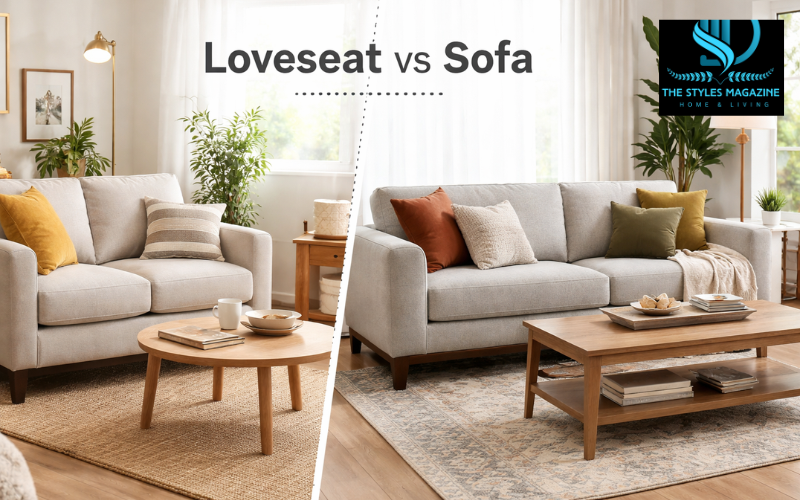
Loveseat vs Sofa
| Feature | Loveseat | Sofa |
| Seating Capacity | 2 people | 3 or more people |
| Width | 48–72 inches | 72–96+ inches |
| Best For | Small spaces, accents | Main seating, living rooms |
| Comfort Level | Cozy, compact | Spacious, lounge-friendly |
| Room Impact | Light, subtle | Bold, focal point |
| Flexibility | Limited seating | More versatile usage |
Loveseat vs Sofa: The Core Differences at a Glance
The main difference in the loveseat vs sofa comparison comes down to size and seating capacity. Loveseats are compact and designed for two people, while sofas are larger and can comfortably seat three or more. This difference may seem simple, but it affects how each piece functions in a room.
A loveseat often works as a secondary seating option or as the main piece in smaller spaces. It provides comfort without taking up too much room. A sofa, however, usually acts as the central anchor of a living area. It’s where people gather, relax, and spend time together.
Visually, sofas tend to have a stronger presence in a room due to their larger size. Loveseats, being smaller, feel lighter and can complement other furniture without dominating the space. Choosing between the two is not just about seating—it’s about how you want your room to feel and function.
Standard Dimensions and Size Breakdown
Understanding size is essential when comparing loveseat vs sofa options. While exact measurements can vary depending on the manufacturer and design, there are general ranges that can guide your decision.
A typical loveseat measures between 48 and 72 inches in width. Its depth usually falls between 28 and 36 inches, and its height is often around 30 to 36 inches. This compact size makes it easy to fit into smaller rooms without overwhelming the layout.
Sofas are larger, starting at around 72 inches in width and often extending beyond 96 inches. Their depth is usually slightly greater than that of loveseats, often ranging from 35 to 40 inches. This extra depth allows for more relaxed seating and even lying down comfortably.
Another noticeable difference is the cushion configuration. Loveseats often have two seat cushions or a single bench cushion, while sofas typically feature three or more cushions. However, modern designs can vary widely, and some sofas come with a streamlined single-cushion look.
It’s also important to remember that sizing can differ based on style. A sleek, modern piece may have smaller proportions, while a plush, traditional design may feel larger even within the same measurement range.
How Seating Capacity Affects Comfort and Usability
Seating capacity plays a major role in how comfortable and practical a piece of furniture feels in everyday life. In the loveseat vs sofa debate, this factor often becomes the deciding point.
A loveseat is ideal for one or two people who want a cozy seating experience. It works well for couples, solo relaxation, or quiet spaces like reading corners. However, it doesn’t offer much flexibility if you need extra seating for guests.
A sofa provides more room, making it suitable for families or social settings. It allows multiple people to sit comfortably and also offers enough space for stretching out or taking a nap. This added functionality makes sofas more versatile for daily use.
There is also a balance between space efficiency and comfort. A loveseat saves space but may feel limiting, while a sofa offers comfort but requires more room. Choosing the right option depends on how you plan to use the seating on a regular basis.
Best Use Cases for Loveseats
Loveseats shine in spaces where size matters. They are especially useful in small apartments, studio layouts, or compact rooms where every inch counts. Their smaller footprint allows you to create a comfortable seating area without overcrowding the space.
They are also a great choice for bedrooms, home offices, or reading nooks. In these areas, a full-size sofa might feel too large, while a loveseat provides just the right amount of seating.
In larger living rooms, loveseats often serve as accent pieces. They can be paired with a sofa or placed opposite it to create a balanced and inviting layout. Their versatility makes them a valuable addition to many types of interiors.
When a Sofa Is the Better Choice
In many homes, the sofa is the centerpiece of the living room. It provides enough seating for families, guests, and everyday activities. When comparing loveseat vs sofa for primary seating, the sofa is usually the better option.
Sofas are ideal for main living areas where people gather to watch TV, entertain guests, or spend time together. Their larger size makes them more comfortable for extended use, especially when lounging or relaxing.
They are also a practical choice for households that need flexibility. Whether you’re hosting visitors or simply want extra space to stretch out, a sofa offers the versatility that a loveseat cannot match.
Loveseat and Sofa Together: Designing a Balanced Living Room
In many cases, the best solution is not choosing between a loveseat vs sofa, but using both together. Combining the two can create a well-balanced and functional living room layout.
One common arrangement is placing the loveseat at a right angle to the sofa, forming an L-shaped seating area. This setup encourages conversation and makes the space feel more inviting. It also helps define different zones within a larger room.
Using both pieces allows you to maximize seating without making the room feel crowded. The key is to maintain proper spacing and ensure that the layout feels open and easy to move around in.
Apartment Sofas: The Middle Ground Worth Considering
For those who find themselves stuck between a loveseat and a full-size sofa, apartment sofas offer a practical middle ground. These pieces typically range from 68 to 80 inches in width, providing more seating than a loveseat without taking up as much space as a traditional sofa.
Apartment sofas are designed specifically for smaller homes or urban living spaces. They combine the comfort of a sofa with the compact size of a loveseat, making them a versatile option.
They are especially useful for people who want the look and feel of a sofa but don’t have enough room for a larger piece. In the loveseat vs sofa comparison, this category bridges the gap and offers a balanced solution.
Style, Design, and Aesthetic Considerations
Beyond size and function, style plays an important role in choosing between a loveseat and a sofa. Each piece contributes differently to the overall look of a room.
A sofa often acts as a focal point. Its larger size draws attention and sets the tone for the space. The choice of fabric, color, and design can influence the entire room’s aesthetic.
A loveseat, on the other hand, feels more subtle. It can complement existing furniture without overpowering the design. This makes it easier to experiment with different styles or add variety to your décor.
Proportion is also important. A large sofa in a small room can feel overwhelming, while a loveseat in a spacious area may look too small. Finding the right balance ensures that the room feels cohesive and comfortable.
How to Choose Based on Your Room Size and Layout
Choosing between a loveseat vs sofa should always start with your space. Measuring your room carefully is essential to avoid common mistakes like overcrowding or leaving too much empty space.
It’s important to consider not just the size of the furniture, but also how it fits into the layout. Think about walkways, doorways, and how people will move through the room. A well-planned layout improves both comfort and functionality.
You should also think about how the furniture will be used. If the room is mainly for relaxation, a larger sofa may be more suitable. If space is limited or the room has multiple purposes, a loveseat or apartment sofa might be the better choice.
Budget, Longevity, and Practical Buying Factors
Cost is another factor to consider in the loveseat vs sofa decision. Generally, loveseats are more affordable due to their smaller size. Sofas, being larger and often more complex in construction, tend to cost more.
However, price should not be the only consideration. Durability and long-term value are just as important. A well-made sofa or loveseat with a strong frame and quality fabric can last for many years.
Maintenance is also worth thinking about. Some materials are easier to clean and more resistant to wear, making them better for households with children or pets. Choosing the right material can help your furniture stay in good condition over time.
Conclusion: Choosing What Works Best for Your Everyday Living
When it comes to loveseat vs sofa, there is no one-size-fits-all answer. Both options have their own advantages, and the right choice depends on your space, lifestyle, and personal preferences.
Loveseats are perfect for smaller areas, offering comfort without taking up too much room. Sofas provide more seating and versatility, making them ideal for larger spaces and social settings. For some, an apartment sofa may offer the perfect balance between the two.
Ultimately, the best choice is the one that fits your daily life. By considering your space, needs, and design goals, you can select a piece that not only looks great but also enhances how you live and relax in your home.
FAQs (Loveseat vs Sofa)
Is A Loveseat Just A Smaller Sofa?
Yes, a loveseat is essentially a smaller version of a sofa, designed for two people, but it’s often used differently in room layouts.
Can A Loveseat Replace A Sofa?
It can in small spaces, but it may not provide enough seating for families or guests in larger living rooms.
Which Is More Comfortable: Loveseat Or Sofa?
A sofa is generally more comfortable for long use because it offers more space to stretch, while a loveseat feels cozier but more limited.
What Is The Standard Size Difference Between A Loveseat And A Sofa?
A loveseat usually measures 48–72 inches wide, while a sofa starts around 72 inches and can go beyond 96 inches.
Should I Buy Both A Loveseat And A Sofa?
If you have enough space, combining both can create a balanced and functional seating layout in your living room.
Disclaimer: This article is for informational purposes only. Sizes, comfort, and suitability may vary based on brand, design, and personal preference. Always measure your space and review product details before making a purchase decision.
Loved Reading This? Discover More Exclusive Stories And Updates At The Styles Magazine!