In today’s world, where remote and hybrid work have become part of everyday life, the way we design our workspaces at home matters more than ever. Home office ideas are no longer just about placing a desk in a quiet corner; they are about creating a space that supports focus, comfort, and creativity. A well-thought-out home office can improve productivity, reduce stress, and even make work feel more enjoyable.
Modern home office ideas focus on blending function with personal style. People want spaces that not only help them get work done but also feel comfortable and inspiring. This means choosing furniture that supports good posture, organizing tools that keep everything in place, and adding design elements that reflect personality. At the same time, flexibility has become a key factor. Many people now need workspaces that can adapt to different tasks or fit into shared living areas without taking over the entire home.
Another important aspect of today’s home office ideas is mental well-being. A cluttered or poorly designed workspace can make it harder to concentrate and increase stress. On the other hand, a clean, organized, and visually pleasing environment can boost motivation and improve overall mood. By focusing on smart design, efficient use of space, and thoughtful details, it is possible to create a home office that truly works for both your professional and personal needs.
Home Office Ideas at a Glance
| Area | Key Idea | Simple Tip |
| Small Spaces | Use compact setups | Try a wall-mounted or foldable desk |
| Layout | Reduce distractions | Place desk away from busy areas |
| Ergonomics | Focus on comfort | Keep monitor at eye level |
| Storage | Keep space clutter-free | Use shelves instead of desk piles |
| Lighting | Improve visibility | Mix natural light with a desk lamp |
| Atmosphere | Stay motivated | Add plants or calming colors |
| Personal Touch | Make it yours | Use minimal decor that inspires you |
| Trends (2026) | Flexible & smart setups | Choose adjustable and multi-use furniture |
Making the Most of Small Spaces Without Compromising Functionality
Not everyone has a separate room for a home office, which is why creative small-space solutions have become a major part of modern home office ideas. One popular concept is the “cloffice,” where an unused closet is transformed into a compact workspace. With a built-in desk, a few shelves, and proper lighting, even a small closet can become a highly functional office area that can be closed off when not in use.
Another effective approach is to make use of underutilized spaces such as corners, alcoves, or areas under the stairs. These spots are often overlooked, but with the right setup, they can become comfortable and efficient work zones. A simple desk and a supportive chair can turn these small areas into productive spaces without requiring major changes to your home.
Floating desks are also a smart solution for limited spaces. By mounting a desk directly to the wall, you can save floor space and create a clean, open look. This approach works especially well in apartments or shared rooms where space is tight. Foldable workstations and wall-mounted desks that can be tucked away when not in use add even more flexibility.
Multipurpose furniture plays a key role in maximizing small spaces. A desk that doubles as a storage unit or a fold-down bed with an integrated workspace can help you switch between work and relaxation modes easily. These types of home office ideas are perfect for people who need their space to serve multiple purposes without feeling crowded or cluttered.
Designing a Layout That Supports Focus and Comfort
The layout of your workspace has a direct impact on how well you can concentrate and how comfortable you feel throughout the day. One of the most important aspects of home office ideas is thoughtful desk placement. Positioning your desk in a way that minimizes distractions can help you stay focused. Facing a wall or a calm area of the room is often better than facing busy spaces like a television or a doorway.
Lighting also plays a big role in layout design. Placing your desk near a window can provide natural light, which is good for both your mood and your energy levels. However, it is important to avoid placing your screen directly in front of the window, as this can cause glare. A position where the window is to the side of your desk often works best.
In homes where space is shared, creating separate work zones can make a big difference. Using rugs, shelves, or even plants to visually divide areas can help define your workspace without needing walls. This separation makes it easier to switch into work mode and reduces distractions from other parts of the home.
For households with more than one person working from home, planning the layout carefully is essential. A long desk or side-by-side workstations can allow multiple people to work comfortably without interfering with each other. These practical home office ideas ensure that everyone has enough space to stay productive while maintaining a sense of organization.
Ergonomic Essentials for Long-Term Productivity
Comfort is a key part of any successful workspace, and this is where ergonomics becomes important. One of the most essential home office ideas is investing in a supportive chair that encourages good posture. Sitting for long hours can lead to discomfort and health issues if the chair does not provide proper back support.
The height of your desk and monitor should also be adjusted carefully. Your screen should be at eye level so that you do not have to tilt your head up or down. This simple adjustment can help prevent neck strain and make long work sessions more comfortable. If needed, a monitor stand or even a stack of books can help achieve the right height.
Keyboard and mouse placement is another factor that should not be overlooked. Your arms should rest comfortably at your sides, with your elbows forming a natural angle. This reduces strain on your wrists and shoulders. Even small changes in positioning can have a big impact over time.
Making simple adjustments, such as taking regular breaks, stretching, and maintaining a good sitting posture, can greatly improve your overall work experience. These ergonomic home office ideas are not complicated, but they play a crucial role in keeping you comfortable and productive in the long run.
Smart Storage and Organization Ideas That Reduce Clutter
A clutter-free workspace makes it easier to focus and work efficiently. One of the most effective home office ideas is to make use of vertical space for storage. Shelves, pegboards, and wall-mounted units allow you to keep important items within reach without taking up desk space.
Hidden storage is another useful approach. Desks with built-in drawers or cabinets can help keep your workspace looking clean and organized. A minimalist desk setup, where only essential items are visible, can create a calm and distraction-free environment.
Cable management is often overlooked but is an important part of maintaining a tidy workspace. Loose wires can make a desk look messy and even become a safety hazard. Using cable clips, trays, or covers can keep everything neatly organized and out of sight.
Staying organized also means having a system for managing tasks and ideas. Visual planners, bulletin boards, or whiteboards can help you keep track of deadlines and important notes. These simple home office ideas not only reduce clutter but also improve your overall workflow and productivity.
Lighting Ideas That Improve Mood and Efficiency
Lighting is one of the most important elements of a functional workspace. Good lighting can reduce eye strain, improve focus, and create a more comfortable environment. Effective home office ideas often include a combination of different types of lighting.
Natural light is ideal, as it helps boost mood and energy levels. Whenever possible, setting up your workspace near a window can make a big difference. However, relying only on natural light is not always enough, especially in the evening or on cloudy days.
Task lighting, such as a desk lamp, provides focused light for specific activities. Choosing a lamp with adjustable brightness and direction can help you create the perfect lighting conditions for your work. Ambient lighting, like ceiling lights or wall fixtures, ensures that the entire room is evenly lit.
Layering different types of lighting allows you to adjust the brightness based on your needs. This reduces eye strain and makes your workspace more comfortable throughout the day. Proper placement of lights, avoiding harsh shadows or direct glare, is essential for creating an effective and pleasant work environment.
Creating an Inspiring Atmosphere That Boosts Creativity
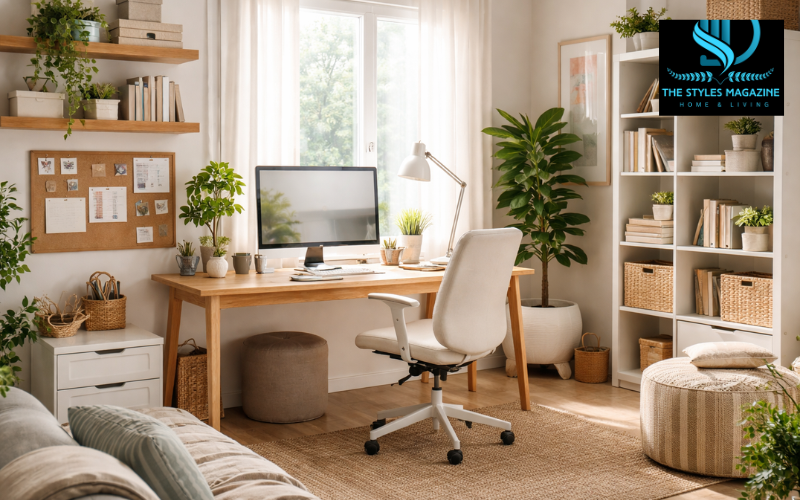
A well-designed workspace should not only be functional but also inspiring. One of the most enjoyable aspects of exploring home office ideas is choosing elements that make your space feel welcoming and motivating. Color plays a significant role in setting the mood. Soft, neutral tones can create a calm environment, while brighter colors can add energy and creativity.
Adding plants is another simple way to improve your workspace. Greenery can make a room feel more alive and refreshing, and it has been shown to have a positive effect on mood. Even low-maintenance plants can make a noticeable difference in how your workspace feels.
Textures and soft elements, such as rugs, cushions, or curtains, can add warmth and comfort. These details help balance the more technical aspects of a workspace, making it feel less rigid and more inviting. The goal is to create a space where you enjoy spending time.
At the same time, it is important to maintain a balance between aesthetics and functionality. While it is tempting to decorate heavily, too many elements can become distracting. The best home office ideas combine visual appeal with practicality, ensuring that the space remains both beautiful and efficient.
Personalizing Your Home Office Without Losing Focus
Personal touches can make your workspace feel unique and meaningful. Adding artwork, photos, or small decorative items can bring a sense of personality to your home office. These elements can serve as motivation and make the space feel more connected to you.
However, it is important to strike a balance between personal and professional. Too many decorative items can create visual clutter and make it harder to concentrate. Choosing a few meaningful pieces and arranging them thoughtfully can help maintain a clean and focused environment.
Your workspace should reflect your style while still supporting productivity. Whether you prefer a modern, minimalist look or a more cozy and creative setup, the key is to design a space that feels comfortable and functional.
Avoiding clutter is especially important when personalizing your office. Keeping surfaces clear and organizing items neatly ensures that your workspace remains efficient. These home office ideas help create a space that feels both personal and professional at the same time.
Modern Home Office Trends That Are Shaping 2026 Workspaces
As work habits continue to evolve, new trends are shaping the way people approach home office design. One of the biggest trends in 2026 is flexibility. Many home office ideas now focus on creating spaces that can easily adapt to different tasks, whether it is focused work, meetings, or creative projects.
Technology is also playing a larger role. Smart desks, adjustable lighting, and integrated devices are becoming more common. These features make it easier to customize your workspace and improve efficiency without adding complexity.
Sustainability is another important trend. More people are choosing eco-friendly materials, energy-efficient lighting, and furniture made from sustainable sources. These choices not only benefit the environment but also create healthier living spaces.
Minimalism continues to be popular, but with a focus on functionality. Instead of empty spaces, modern designs emphasize clean, organized environments that include everything needed for productivity. These evolving home office ideas reflect a shift toward smarter, more intentional design.
Conclusion
Creating a functional and inspiring workspace at home is about more than just furniture and decoration. The best home office ideas bring together comfort, organization, and personal style to create an environment that supports both productivity and well-being. From making the most of small spaces to choosing the right lighting and layout, every detail plays a role in how effective your workspace is.
A thoughtful home office design can improve focus, reduce stress, and make daily tasks more enjoyable. By balancing practicality with creativity, it is possible to create a space that works for your needs and reflects your personality. Whether you are working full-time from home or just need a dedicated area for tasks, investing time in your workspace is always worthwhile.
In the end, the goal is to build a home office that feels right for you. A space that not only helps you work better but also makes you feel comfortable and inspired every day.
FAQs (Frequently Asked Questions)
What Are The Best Home Office Ideas For Small Spaces?
Using wall-mounted desks, closet offices (cloffice), and foldable furniture works best for small spaces.
How Can I Make My Home Office More Productive?
Focus on good lighting, an ergonomic chair, proper desk placement, and a clutter-free environment.
What Is The Ideal Position For A Desk In A Home Office?
Place your desk near natural light but not directly in front of a window to avoid screen glare.
How Do I Decorate My Home Office Without Distractions?
Use minimal decor like plants or simple artwork and avoid overcrowding your workspace.
What Are The Latest Home Office Trends In 2026?
Flexible setups, smart desks, eco-friendly materials, and minimalist designs are popular trends.
Disclaimer: This content is for informational purposes only. Results may vary based on individual space, needs, and preferences. Always choose furniture and setups that suit your comfort and health requirements.
Loved Reading This? Discover More Exclusive Stories And Updates At The Styles Magazine!