1960 interior design represents one of the most creative and expressive periods in modern home design. During this decade, interiors moved away from traditional rules and embraced bold ideas, new materials, and imaginative forms. Homes became spaces where personality and experimentation were encouraged, and design was no longer limited to formal arrangements or muted colors.
To understand this style, it helps to look briefly at the decade before it. In the 1950s, interiors were generally structured, balanced, and somewhat conservative. Furniture often followed clean but predictable lines, and color palettes were softer and more restrained. By contrast, the 1960s introduced a dramatic shift. Designers and homeowners began exploring brighter colors, playful patterns, and furniture with unique shapes. The focus shifted from strict formality to creativity and individuality.
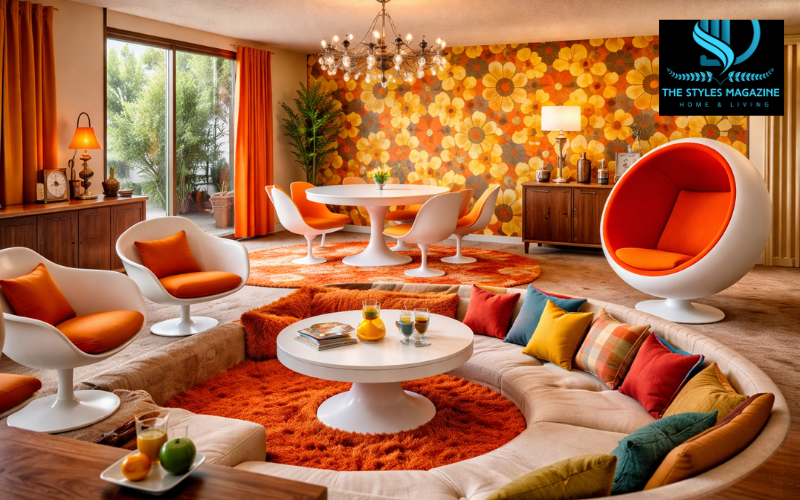
One of the defining traits of 1960 interior design was its bold use of color. Rooms often featured strong shades such as burnt orange, mustard yellow, avocado green, and bright blues. These colors were sometimes combined in unexpected ways to create lively, energetic spaces. At the same time, designers experimented with new materials like plastic, fiberglass, and chrome, which allowed them to create furniture and decorative pieces that had never been possible before.
Another major feature of the era was its fascination with the future. The 1960s were shaped by technological progress and the excitement of the Space Race, and this influence appeared in many homes. Rounded furniture, sculptural lighting, and sleek surfaces gave interiors a “space-age” look that felt modern and optimistic.
Even today, 1960 interior design continues to inspire contemporary interiors. Many designers still use its bold colors, playful patterns, and innovative materials as references when creating modern spaces. The style remains popular because it celebrates creativity, individuality, and a sense of fun—qualities that continue to appeal to homeowners around the world.
Key Elements of 1960 Interior Design
| Design Element | Description | Examples in 1960s Homes |
| Color Palette | Bright, saturated, and contrasting colors | Mustard yellow, burnt orange, avocado green |
| Patterns | Bold graphic and psychedelic designs | Geometric wallpaper, oversized floral prints |
| Furniture | Rounded, sculptural, futuristic shapes | Egg chairs, pod chairs, curved sofas |
| Materials | New industrial materials became popular | Plastic, fiberglass, chrome, Lucite |
| Textures | Soft textures balanced sleek furniture | Shag rugs, velvet upholstery |
| Lighting | Decorative and sculptural lighting pieces | Sputnik chandeliers, lava lamps |
| Layout | More relaxed and open living spaces | Conversation pits, open-plan living rooms |
The Cultural Shift That Shaped 1960 Interior Design
The transformation of interior design during the 1960s did not happen by chance. It was closely connected to the cultural changes taking place across society. The decade was marked by new ideas about freedom, creativity, and personal expression, and these ideas naturally influenced how people decorated their homes.
In the years before the 1960s, most interiors followed a fairly traditional approach. Homes were designed to appear orderly and respectable, reflecting the social expectations of the time. Furniture arrangements were symmetrical, colors were controlled, and decorative choices were often influenced by long-standing traditions.
However, as the 1960s began, a younger generation started to challenge these conventions. Youth culture became more visible and influential, bringing fresh perspectives into art, music, fashion, and design. This shift encouraged people to experiment with their surroundings and create interiors that reflected their personalities rather than simply following established rules.
As a result, 1960 interior design embraced individuality. Instead of matching furniture sets and predictable layouts, homeowners began mixing styles, colors, and textures. Rooms were designed to feel relaxed and inviting rather than formal. Living spaces became places for social interaction, creativity, and comfort.
This cultural shift allowed interior design to become more expressive. Designers were free to explore unusual shapes, bright colors, and innovative materials. The result was a design style that felt energetic, optimistic, and full of possibility.
Defining Characteristics of 1960 Interior Design
Several key features define 1960 interior design, and together they create the distinctive look that many people associate with the decade. One of the most noticeable characteristics is the emphasis on bold self-expression. Interiors were designed to reflect personal tastes rather than follow strict guidelines.
Furniture and decor often displayed playful creativity. Instead of traditional rectangular shapes, many pieces featured curved edges, circular forms, and sculptural silhouettes. These designs added movement and visual interest to rooms, making interiors feel dynamic rather than static.
Another defining characteristic was the experimental approach to layout. Open spaces became more common, and rooms were arranged to encourage interaction and relaxation. Seating areas were designed to support conversation and social gatherings rather than formal entertaining.
Despite its playful appearance, 1960 interior design also balanced creativity with functionality. Furniture was often designed to be comfortable and practical while still looking visually striking. This combination of usefulness and artistic expression helped the style remain appealing for decades.
Overall, the defining characteristics of the era highlight a desire to create interiors that felt fresh, exciting, and personal.
Vibrant Color Palettes That Defined the Era
Color played a central role in 1960 interior design, and the decade is widely remembered for its bold and energetic palettes. Designers moved away from soft pastels and neutral tones and began using strong, saturated colors that instantly captured attention.
Popular shades included burnt orange, mustard yellow, avocado green, and deep browns. These colors were often paired with bright accents such as turquoise, electric blue, or vibrant red. Instead of subtle coordination, designers sometimes used contrasting hues to create striking visual effects.
Walls, furniture, and accessories all contributed to the colorful atmosphere of 1960s interiors. A room might feature a bold wallpaper pattern paired with brightly upholstered chairs or a vivid rug. Even kitchen appliances and decorative objects were available in bright colors, allowing homeowners to carry the theme throughout the entire space.
Color was not only decorative but also expressive. It helped create lively environments that reflected the optimism and creativity of the decade. In many homes, the choice of colors became a statement about personality and style.
Today, these vibrant palettes remain one of the most recognizable elements of 1960 interior design, and many modern designers still draw inspiration from them.
Geometric and Psychedelic Patterns in Interior Decor
Patterns were another important element of 1960 interior design, adding visual excitement and energy to interiors. The decade saw the rise of bold graphic designs that appeared on wallpapers, fabrics, rugs, and decorative accessories.
Geometric shapes such as circles, squares, and repeating lines became very popular. These patterns often appeared in bright colors and large scales, creating a dramatic effect in living rooms, bedrooms, and even kitchens. The use of strong shapes helped reinforce the modern and futuristic feeling of the era.
At the same time, psychedelic patterns became a defining trend. Inspired by the art and music culture of the 1960s, these designs featured swirling lines, flowing shapes, and unusual color combinations. They created a sense of movement and imagination that reflected the experimental spirit of the decade.
Floral and abstract patterns were also widely used in upholstery and carpets. Instead of small, delicate prints, designers often chose oversized motifs that became the focal point of a room.
Through these patterns, 1960 interior design achieved a lively and visually engaging style that still feels distinctive today.
Furniture Shapes That Introduced a Futuristic Look
Furniture design changed dramatically during the 1960s. Instead of rigid and traditional forms, designers began exploring shapes that looked modern, playful, and even futuristic.
Many pieces featured rounded edges and smooth curves. Chairs, sofas, and tables were often designed with flowing lines that made them appear sculptural. These organic shapes helped soften interiors and created a more relaxed atmosphere.
Some furniture designs became iconic representations of 1960 interior design. Rounded lounge chairs, egg-shaped seats, and pod-like chairs captured the imagination of both designers and homeowners. These pieces often looked almost like works of art while still serving practical purposes.
The influence of the Space Race also played a role in shaping furniture design. Designers experimented with sleek silhouettes and modern materials to create seating that appeared futuristic and innovative. This approach helped interiors feel forward-looking and imaginative.
The result was furniture that transformed ordinary rooms into exciting, modern environments.
Innovative Materials That Changed Interior Design
The 1960s were also a time of experimentation with materials. Advances in manufacturing allowed designers to use new substances that were lighter, more flexible, and easier to shape than traditional materials.
Plastic and fiberglass became particularly popular during this period. These materials allowed designers to create smooth, curved furniture that would have been difficult to produce with wood alone. As a result, many chairs and tables featured bold, sculptural forms that reflected the modern spirit of the era.
Chrome and Lucite were also widely used in 1960 interior design. Chrome provided a sleek metallic finish that complemented the futuristic look of the decade, while Lucite offered a transparent, lightweight appearance that made spaces feel open and modern.
These materials helped designers explore new creative possibilities. They also made modern furniture more accessible to a wider audience, which contributed to the widespread popularity of the style.
Statement Textures That Added Warmth and Depth
Although many 1960s interiors featured sleek materials and bold colors, texture was equally important in creating comfortable and inviting spaces. Designers used a variety of textures to balance the smooth surfaces of modern furniture.
One of the most recognizable textures from the decade is the shag rug. With its deep, plush pile, the shag rug added warmth and softness to living rooms and bedrooms. It also complemented the bold color palettes often used in 1960 interior design.
Velvet upholstery became another popular choice. Sofas and chairs covered in velvet created a sense of luxury while still fitting the playful spirit of the era. The rich texture of velvet also helped soften the strong colors and patterns used in many interiors.
Natural wood elements, especially teak and walnut, were frequently used to balance modern materials like plastic and chrome. These woods added warmth and a natural touch, helping interiors feel comfortable and welcoming.
Popular Interior Design Features Found in 1960s Homes
Many homes built or renovated during the 1960s included distinctive architectural and decorative features that reflected the design trends of the time.
One of the most memorable features was the conversation pit. This sunken seating area was designed to encourage social interaction and create a relaxed environment for gatherings. Conversation pits became a symbol of modern, informal living.
Lighting also played an important role in 1960 interior design. Sculptural fixtures such as globe pendant lights and dramatic chandeliers were used to create visual interest. Decorative lamps, including the famous lava lamp, added both light and personality to interiors.
Another major development was the growing popularity of open-plan layouts. Instead of separating rooms with walls, designers created flowing spaces that connected the kitchen, dining area, and living room. This approach made homes feel larger and encouraged interaction between family members and guests.
Cultural Influences Behind the 1960 Interior Design Movement
The style of 1960 interior design was strongly influenced by cultural trends and global events. One of the most important influences was the Space Race. As countries competed to explore space, the excitement surrounding technology and the future inspired designers to create interiors that looked modern and futuristic.
Another important influence was the Mod culture that developed in London. This movement emphasized bold fashion, clean lines, and a playful sense of style. The influence of Mod culture appeared in furniture shapes, color palettes, and graphic patterns used in interior design.
Global influences also played a role. Many designers began incorporating elements from other cultures, including textiles from India, rugs from Morocco, and natural materials like bamboo and wicker. These influences added variety and richness to interiors while supporting the decade’s interest in creativity and exploration.
How 1960 Interior Design Continues to Influence Modern Homes
Even though the 1960s ended many decades ago, the influence of 1960 interior design can still be seen in modern interiors. Designers often revisit the era for inspiration because of its bold ideas and creative spirit.
The revival of mid-century and retro styles has brought renewed attention to the colors, furniture shapes, and materials that defined the decade. Many contemporary homes feature furniture with rounded forms or use color combinations inspired by 1960s palettes.
Modern designers often reinterpret these ideas in subtle ways. Instead of fully recreating a retro interior, they may incorporate a single bold chair, a geometric rug, or a statement lighting fixture inspired by the era.
By blending vintage inspiration with modern design principles, contemporary interiors continue to celebrate the creativity and individuality that defined the 1960s.
Conclusion
1960 interior design represents a fascinating moment in the history of home decor. It marked a clear departure from the structured and conservative interiors of the 1950s and introduced a more expressive and experimental approach to design.
The style is defined by its bold color palettes, playful patterns, innovative materials, and futuristic furniture shapes. Cultural influences such as youth movements, global inspiration, and the excitement of the Space Race helped shape interiors that felt creative and forward-thinking.
Today, the legacy of 1960 interior design remains strong. Many of its ideas continue to influence modern homes, proving that creativity and individuality never go out of style. By combining bold design choices with practical comfort, the interiors of the 1960s created a lasting impact that still inspires designers and homeowners around the world.
Frequently Asked Questions (FAQs)
What Defines 1960 Interior Design?
1960 interior design is defined by bold colors, playful patterns, futuristic furniture shapes, and innovative materials such as plastic and chrome. The style reflects creativity, individuality, and the cultural changes of the 1960s.
What Colors Were Popular In 1960 Interior Design?
Popular colors included burnt orange, mustard yellow, avocado green, bright blue, and deep brown. These colors were often combined in strong contrasts to create energetic interiors.
What Furniture Style Was Popular In The 1960s?
Furniture in the 1960s often featured rounded and sculptural shapes. Designers experimented with pod chairs, egg-shaped seating, curved sofas, and sleek tables made from modern materials.
Why Is 1960 Interior Design Considered Futuristic?
The style was influenced by the Space Race and technological innovation. Designers used new materials and futuristic shapes to create interiors that looked modern and forward-thinking.
Is 1960 Interior Design Still Popular Today?
Yes. Many modern interiors take inspiration from 1960s design, especially in the use of bold colors, retro furniture, and statement lighting. The style is often included in mid-century modern and retro-inspired homes.
Disclaimer: The information provided in this article is for educational and informational purposes only. Interior design styles may vary based on region, personal preference, and current design trends. Readers are encouraged to adapt ideas according to their own space, needs, and professional advice where necessary.
Loved Reading This? Discover More Exclusive Stories And Updates At The Styles Magazine!