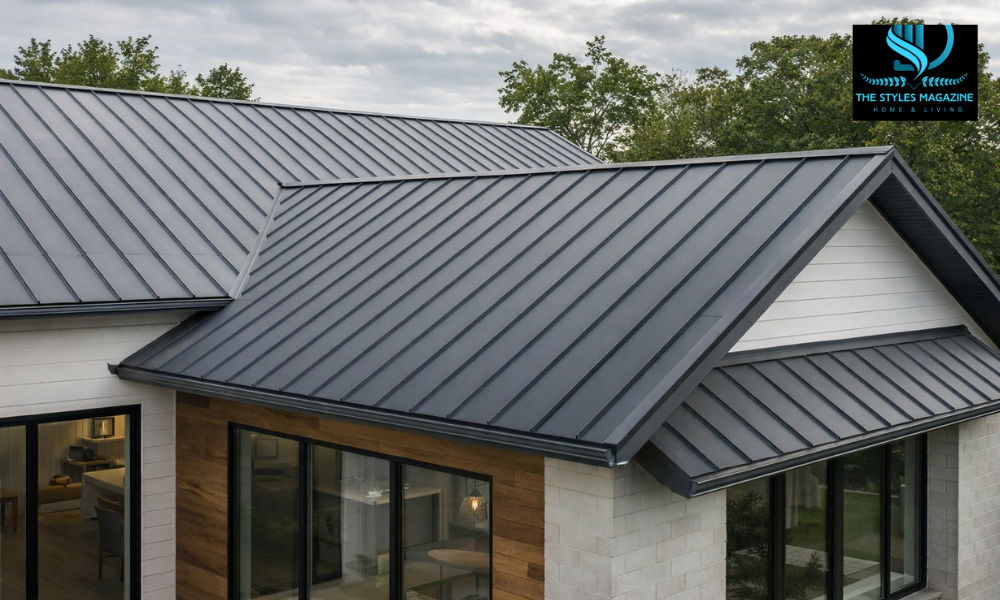
A modern metal pewter roof is a roofing style that combines contemporary design with the strength and longevity of metal materials. In simple terms, it is a metal roof finished in a soft gray tone known as pewter, a color that sits between silver and charcoal. This shade has become popular because it looks clean, modern, and adaptable to many home styles without feeling too dark or harsh. Unlike traditional roofing materials that focus mainly on function, modern metal pewter roofs balance visual appeal with long-term performance.
In recent years, this roofing style has gained strong attention in modern architecture. Homeowners and designers alike are drawn to its sleek appearance, minimal lines, and ability to complement both new builds and renovated homes. As architectural trends move toward simplicity, neutral colors, and energy-conscious design, pewter metal roofing fits naturally into this direction. It offers a look that feels current without being trendy or temporary, which is one reason it continues to appear in modern residential and light commercial projects.
This article will provide a complete and easy-to-understand overview of the modern metal pewter roof. You will learn what defines this roofing style, the most common design options, and the practical benefits that make it appealing. We will also cover finishes, materials, gauge choices, cost considerations, design tips, installation factors, and long-term maintenance so that you can better understand whether this roofing option is right for your home.
What Defines a Modern Metal Pewter Roof
A modern metal pewter roof is defined mainly by two things: the material and the finish. The term “pewter” refers to the color tone used on the metal panels. Rather than bright silver or deep black, pewter offers a cooler, bluish-gray shade that feels subtle and refined. This tone works well in modern designs because it provides contrast without overwhelming the overall appearance of the building.
Modern metal roofing design is known for its clean lines, minimal detailing, and practical functionality. Instead of bulky textures or layered patterns, modern styles emphasize smooth surfaces and simple forms. Many modern metal roofs use concealed fasteners or uniform panel designs, creating a seamless look that aligns with contemporary architectural trends.
The pewter color itself plays an important role in modern aesthetics. It blends easily with natural materials like wood, stone, and concrete while also pairing well with neutral paint colors. This flexibility makes it easier for homeowners to create a balanced exterior design. Unlike very dark roofing colors, pewter often appears softer and more welcoming, which helps maintain a modern yet approachable appearance.
Popular Modern Metal Pewter Roof Styles
Several roof styles work particularly well when designed with a pewter finish. Each offers a slightly different look and practical advantage, allowing homeowners to choose based on both budget and design goals.
Standing seam metal roofs are often considered the premium choice for modern homes. These roofs feature long vertical panels joined by raised seams, creating clean lines that enhance a minimalist style. Because fasteners are hidden beneath the seams, the surface looks smooth and refined, which explains why this style is frequently seen on contemporary homes.
Corrugated metal panels are another popular option. Recognizable by their wave-like pattern, they offer a more textured appearance while still fitting modern designs. Many homeowners appreciate corrugated panels because they help hide minor surface waviness and provide a more affordable alternative without sacrificing modern appeal.
R-panels are commonly used in modern industrial-inspired homes and residential garages. They are known for their practical design and affordability. While they may look slightly more structural than standing seam panels, they can still create a clean, modern appearance when finished in a pewter tone.
Stone-coated metal roofing offers a different approach by combining metal durability with the texture of traditional materials. This style can bridge the gap between classic and modern architecture, making it suitable for homeowners who want a modern touch without moving too far away from traditional design elements.
Choosing the right style depends largely on the design of the home. Minimalist homes often pair best with standing seam panels, while industrial or mixed-style projects may benefit from corrugated or R-panel designs. The key is selecting a style that complements the building’s overall shape and personality.
Key Benefits of Choosing a Metal Pewter Roof
One of the strongest reasons people choose a modern metal pewter roof is durability. High-quality metal roofs can last for decades, often reaching fifty years or more with proper installation and care. This lifespan is significantly longer than many traditional roofing materials, which makes metal roofing a long-term investment rather than a short-term solution.
Weather resistance is another major advantage. Metal roofs are designed to handle harsh conditions such as strong winds, hail, and even fire exposure. Because metal does not easily crack or degrade, homeowners often feel more secure choosing this type of roof in areas with unpredictable weather.
Energy efficiency also plays a role in its popularity. The reflective properties of pewter gray help reduce heat absorption, which can keep indoor temperatures more comfortable during warm months. Over time, this may reduce cooling demands and contribute to energy savings.
Aesthetic flexibility is equally important. The pewter finish offers a modern look that works with various architectural styles, from clean minimalist homes to modern farmhouse designs. It provides contrast without being visually overpowering, allowing other design elements to stand out.
Sustainability is another advantage worth mentioning. Metal roofing materials are often recyclable and can be manufactured using recycled content. For homeowners concerned about environmental impact, this makes a modern metal pewter roof a more eco-friendly alternative compared to traditional shingles.
Color Tone, Texture, and Finish Options in Pewter Metal Roofing
Not all pewter roofs look exactly the same. Different textures and finish options can significantly influence the final appearance of the roof. Smooth finishes offer a sleek and contemporary feel, creating a uniform surface that reflects modern design principles. Textured finishes, on the other hand, add subtle variation that can reduce glare and help hide small surface imperfections.
Matte and reflective appearances also change how the roof interacts with light. Matte finishes tend to look softer and more understated, which many homeowners prefer for modern homes. Reflective finishes can appear brighter and slightly more dramatic, especially in direct sunlight.
The type of finish also affects maintenance and long-term appearance. Textured or low-gloss options often require less frequent cleaning because they hide dust and streaks better than high-gloss surfaces. Choosing the right finish therefore involves balancing style preferences with practical considerations.
When matching pewter tones with exterior colors, neutral palettes usually work best. White, light gray, charcoal, and natural wood tones pair naturally with pewter, while darker trims can create strong architectural contrast. The versatility of this color allows for creative freedom without making the exterior feel overwhelming.
Modern Metal Pewter Roof Materials and Panel Gauges
Modern metal pewter roofs are commonly made from materials such as steel or aluminum. Steel is widely used because it offers strength and affordability, while aluminum provides strong resistance to corrosion and is often chosen for coastal or humid environments. Both materials can carry pewter finishes effectively and perform well over time.
Gauge thickness is another important factor to understand. In simple terms, a lower gauge number means thicker metal. Residential metal roofs often use 26 or 28-gauge panels. A 26-gauge panel is slightly thicker and generally offers greater durability, while 28-gauge panels provide a lighter and sometimes more cost-effective option for certain projects.
The choice of material and gauge influences both performance and price. Thicker panels may cost more initially but can provide extra strength and longevity. Lighter gauges may reduce upfront costs while still offering the benefits of metal roofing when properly installed.
These roofing systems are suitable for both residential properties and light-commercial applications. Homes, garages, workshops, and modern mixed-use designs often use the same pewter roofing systems, which highlights how adaptable this option can be.
Choosing the Right Manufacturer and Product Line
Selecting the right manufacturer is an important step when planning a modern metal pewter roof. Not all products are equal, and differences in coating quality, durability, and warranty coverage can significantly impact long-term satisfaction.
When evaluating brands, homeowners should pay attention to material coatings and protective layers. High-quality coatings help prevent fading, corrosion, and surface damage caused by weather exposure. Warranty details are also worth reviewing, as they provide insight into how long a manufacturer expects the product to perform.
Performance ratings and certifications can offer additional confidence. These ratings often indicate resistance to wind, fire, or impact, helping homeowners choose a product that aligns with local climate needs.
Finish technology is another area where products differ. Some manufacturers offer textured or specialty finishes designed to improve color consistency or reduce glare. Comparing these options can help ensure that the final appearance matches the homeowner’s expectations.
Design Tips for Homes with a Modern Metal Pewter Roof
Designing around a modern metal pewter roof is often easier than people expect because the color works well with many exterior styles. Light-colored walls create a clean, modern contrast, while darker siding can produce a bold and contemporary look. Natural materials like wood or stone also pair beautifully with pewter tones, adding warmth and visual balance.
Modern architectural features such as large windows, simple rooflines, and minimal detailing tend to complement this roofing style. The clean lines of metal panels support these elements rather than competing with them.
Different design approaches can also influence the final feel of the home. Minimalist designs benefit from smooth surfaces and limited color variation, while industrial-inspired homes may incorporate exposed structures or textured finishes for extra character.
Maintaining visual balance is key. The roof should feel connected to other exterior components like windows, siding, and landscaping. When designed thoughtfully, the result is a cohesive and modern look that feels intentional rather than forced.
Installation Considerations and Long-Term Maintenance
Professional installation is essential for a modern metal pewter roof. Even high-quality materials can underperform if panels are installed incorrectly. Experienced installers ensure proper sealing, alignment, and ventilation, which all contribute to long-term durability.
Common mistakes during installation include improper fastening, poor flashing details, and incorrect spacing between panels. These issues can lead to leaks or reduced lifespan, highlighting why professional expertise matters.
Maintenance requirements for metal roofs are generally low compared to other materials. Occasional inspections, gentle cleaning, and removal of debris are usually enough to maintain appearance and performance. Homeowners should also check for scratches or minor damage after severe weather.
With proper care, a metal pewter roof can maintain its appearance and function for decades. Understanding this long lifespan helps homeowners see the roof as a long-term investment rather than a short-term expense.
Cost Factors and Value Over Time
Several factors influence the cost of a modern metal pewter roof. Material type, panel style, gauge thickness, and installation complexity all contribute to the final price. Premium styles like standing seam roofs typically cost more than corrugated or R-panel options due to their design and installation requirements.
Although upfront costs can be higher compared to traditional roofing materials, many homeowners consider the long-term savings worthwhile. Extended lifespan, reduced maintenance needs, and improved energy efficiency can balance the initial investment over time.
Energy performance may also influence ongoing costs. Reflective finishes can reduce cooling demands during warmer months, which can contribute to long-term efficiency benefits.
From a property perspective, modern metal roofing can add value by enhancing curb appeal and signaling durability to future buyers. This combination of practical performance and visual appeal often helps justify the investment.
Is a Modern Metal Pewter Roof the Right Choice for Your Home?
Deciding whether a modern metal pewter roof is right for your home depends on several factors. Climate plays an important role, as metal roofing performs especially well in areas with strong weather conditions. Design preferences also matter, since the clean lines and neutral tone align best with modern or transitional architectural styles.
Homeowners should also balance style with practical needs. If long lifespan, low maintenance, and modern aesthetics are priorities, this roofing option can be a strong match. However, those seeking a traditional look may want to explore textured or stone-coated alternatives within the same color family.
Ultimately, this roofing style makes the most sense for homeowners who appreciate modern design and want a durable, long-lasting solution that remains visually relevant over time.
Conclusion
A modern metal pewter roof stands out because it successfully combines style and performance. Its soft gray tone fits contemporary architecture while offering practical benefits such as durability, weather resistance, energy efficiency, and sustainability. With various styles, finishes, and material choices available, homeowners can find options that match both design goals and budget considerations.
Choosing the right roofing system involves understanding materials, finishes, installation quality, and long-term value rather than focusing only on appearance. By learning how these elements work together, homeowners can make informed decisions that support both the look and performance of their property. A modern metal pewter roof is not simply a trend but a thoughtful choice for those seeking a balance between modern design and practical living.
FAQs
What Is A Modern Metal Pewter Roof?
A modern metal pewter roof is a metal roofing system finished in a soft gray “pewter” color, known for its modern look, durability, and long lifespan.
How Long Does A Metal Pewter Roof Last?
With proper installation and maintenance, a quality metal pewter roof can last 40–50 years or even longer.
Is A Pewter Metal Roof Energy Efficient?
Yes, the reflective surface helps reduce heat absorption, which can improve indoor comfort and lower cooling costs.
Does A Metal Pewter Roof Require A Lot Of Maintenance?
No, it generally requires minimal maintenance, such as occasional cleaning and periodic inspections.
Is A Modern Metal Pewter Roof Suitable For All Homes?
It works best with modern, contemporary, or industrial-style homes but can also suit transitional designs depending on the exterior finish.
Disclaimer: This article is for general informational and educational purposes only. Roofing materials, pricing, performance, and installation requirements may vary depending on location, manufacturer, and project conditions. Readers should always consult a qualified roofing professional or local contractor before making final design or installation decisions.
Loved Reading This? Discover More Exclusive Stories And Updates At The Styles Magazine!