When gardeners search for advice about overrated perennials to skip, they are not looking to criticize plants for the sake of it. They are looking for clarity. Many perennials have earned a strong reputation over the years, but that does not mean they are the best choice for every modern garden. Some plants are praised in books, garden centers, and online photos, yet in real life they may disappoint.
The idea behind “Overrated Perennials to Skip” is simple. It means taking a closer look at plants that are often recommended but may not live up to expectations. These plants might bloom for only a short time, demand more care than most homeowners can give, spread too aggressively, or struggle in changing weather conditions. In today’s world, gardeners are facing hotter summers, sudden storms, water restrictions, and limited time for maintenance. What worked well twenty years ago may not be practical now.
Gardening priorities have also changed. Many people want low-effort landscapes that still look beautiful. They care more about pollinators, local ecosystems, and climate resilience. They want plants that perform reliably without constant spraying, staking, or trimming. They also want honest information instead of social media images that show perfect blooms but hide the work behind them.
This guide will help you understand which overrated perennials to skip and why. More importantly, it will help you think differently about plant choices. By the end, you will have a clearer idea of what to avoid and how to choose better alternatives that fit modern gardening realities.
What Makes a Perennial Overrated in Today’s Gardens
Not every popular plant deserves its reputation. A perennial becomes “overrated” when its drawbacks outweigh its benefits for most home gardeners.
One common issue is a short bloom period. Some perennials look stunning for a week or two, then fade into plain green foliage for the rest of the season. While there is nothing wrong with brief beauty, many gardeners now prefer plants that provide interest for months rather than days. Season-long color, attractive leaves, or repeat blooms offer better value in limited garden space.
Another factor is maintenance. Many older garden favorites require regular staking, pruning, feeding, or spraying. In the past, gardeners may have had more time for detailed care. Today, people often want low-effort landscapes. A plant that demands constant attention can feel frustrating rather than rewarding.
Invasive growth is another reason certain perennials make the list of overrated perennials to skip. Some plants spread quickly through roots or seeds, taking over beds and crowding out other plants. While they may look harmless at first, they can become difficult to control and even harmful to local ecosystems.
Climate sensitivity also plays a role. With rising temperatures, stronger storms, and irregular rainfall, plants that once thrived may now struggle. Perennials that wilt in heat, rot in heavy rain, or require frequent watering are harder to justify in areas facing water shortages.
Finally, social media hype has changed how plants are marketed. Photos often show perfect blooms under ideal conditions. Some online sellers even use edited images to make flowers appear larger or brighter than they really are. Real gardens rarely look like those pictures. A plant that performs poorly in average conditions can quickly feel overrated once reality sets in.
Peonies — Beautiful but Brief and High Maintenance
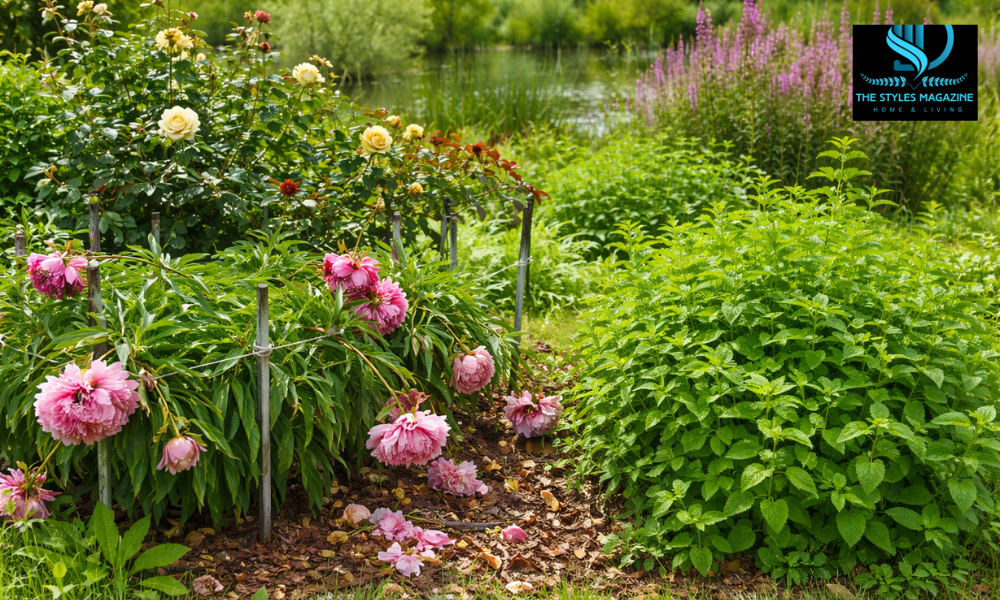
Peonies have long been garden icons. Their large, soft blooms and sweet fragrance make them favorites in bouquets and spring displays. For generations, they have symbolized classic garden beauty. It is easy to see why they became so popular.
However, when discussing overrated perennials to skip, peonies often come up. Their biggest drawback is their short bloom window. In many climates, peonies flower for about one to two weeks in late spring. After that, the show is over. The plant remains as green foliage for the rest of the growing season.
Peonies are also known for flopping stems. The large blooms can become heavy, especially after rain. Without support, the stems may bend or fall to the ground. Gardeners often need to install rings or stakes early in the season, which adds extra work and can affect the natural look of the garden.
Heat and heavy rain can also cause problems. In hotter regions, peonies may struggle to bloom well. In areas with sudden downpours, the flowers can turn brown quickly. While peonies can live for many years, they do not always perform reliably in modern, unpredictable weather.
Today’s gardeners often expect more from their plants. They look for perennials that offer longer bloom periods, stronger stems, and better tolerance to heat and storms. While peonies are not bad plants, they may not match the needs of a low-maintenance, climate-aware garden.
Mint — The Fragrant Bully That Takes Over
Mint is one of the most commonly recommended herbs for beginners. It smells fresh, grows quickly, and can be used in drinks and cooking. Garden centers often promote it as easy and rewarding.
The problem is that mint is almost too easy to grow. It spreads aggressively through underground runners. Once planted in open soil, it can move far beyond its original spot. Gardeners often find mint popping up in lawns, flower beds, and even cracks in walkways.
Over time, containing mint becomes a challenge. Some people try to limit it with barriers, but the roots can find their way around obstacles. Many gardeners end up digging large sections of soil just to remove it. What began as a small herb plant can turn into a long-term struggle.
Mint can also disrupt garden beds by crowding out nearby plants. It competes strongly for space and nutrients. While it may seem harmless, its growth habit makes it one of the overrated perennials to skip when planted directly in the ground. Growing it in containers is often a safer and more controlled option.
Hybrid Tea Roses — High Glamour, High Effort
Hybrid tea roses are famous for their elegant, long-stemmed flowers. They are often seen in floral arrangements and formal gardens. Their classic shape and rich colors have made them symbols of romance and beauty.
However, these roses are also known for high maintenance. They can be prone to diseases such as black spot and powdery mildew. In many climates, they require regular spraying to stay healthy. Without careful attention, the leaves may yellow or drop early in the season.
Pruning is another ongoing task. Hybrid tea roses need proper cutting to encourage strong growth and blooms. They also benefit from regular feeding. For busy homeowners, this level of care can feel overwhelming.
Changing climates add more pressure. Hot summers, sudden temperature swings, and heavy rains can stress these roses. In some regions, they no longer perform as well as they once did. Gardeners who want reliable flowers with less effort may find modern shrub roses or native flowering plants more suitable.
While hybrid tea roses are not without charm, they represent a traditional style of gardening that demands time and resources. In today’s low-maintenance landscapes, they often fall into the category of overrated perennials to skip.
Purple Loosestrife — Pretty but Problematic
Purple loosestrife attracts attention with its tall spikes of bright purple flowers. At first glance, it looks like a beautiful addition to ponds and wet areas. Its strong vertical shape and vivid color make it appealing.
The problem lies in its invasive nature. Purple loosestrife spreads rapidly through seeds. It can quickly dominate wetlands, riverbanks, and moist garden areas. Once established, it is very difficult to remove.
This aggressive growth can cause ecological damage. In many regions, purple loosestrife crowds out native wetland plants. This reduces habitat and food sources for wildlife. Over time, it can change entire ecosystems.
Because of these risks, purple loosestrife is discouraged or even restricted in several areas. Although it may look attractive in photos, its impact on the environment makes it one of the clearest examples of overrated perennials to skip. Choosing native alternatives supports healthier local landscapes and avoids long-term problems.
The 2026 Gardening Shift Toward Resilient and Native Planting
Gardening trends continue to evolve, and 2026 brings a stronger focus on resilience. Many gardeners have adopted what some call a “Lemonading” mindset. Instead of fighting against climate uncertainty, they adapt. They choose plants that can handle heat, drought, heavy rain, and changing seasons.
There is also growing interest in native and keystone plants. These species support local insects, birds, and pollinators. They are often better adapted to regional soil and weather conditions. By planting natives, gardeners create landscapes that are both beautiful and beneficial.
Compact, high-yield edible perennials are also gaining popularity. In smaller yards and urban spaces, people want plants that provide food without taking over. Berry bushes, herbs in containers, and manageable fruiting plants offer both beauty and usefulness.
Pollinator-focused landscaping has become another major priority. Instead of filling beds with high-maintenance showpieces, gardeners are choosing plants that feed bees, butterflies, and other helpful insects. This shift reflects a deeper awareness of environmental responsibility.
These changes help explain why some traditional favorites are now considered overrated perennials to skip. The goal is not perfection in a photo but long-term success in real conditions.
How to Choose Smarter Perennials for Long-Term Success
Selecting better perennials starts with looking for extended bloom cycles. Plants that flower repeatedly or provide colorful foliage offer value throughout the season. They reduce the need to fill gaps with extra plants.
Climate-adapted varieties are also important. Before planting, it helps to consider local temperatures, rainfall patterns, and soil type. Choosing plants suited to your region reduces stress and maintenance.
Ecosystem benefits matter more than ever. Perennials that support pollinators, birds, and soil health create stronger gardens. These plants often require less care because they are adapted to local conditions.
Finally, it is wise to think honestly about maintenance. Some plants are beautiful but demanding. Others may look simple yet perform reliably with minimal effort. Matching plant choices to your available time and energy leads to better results.
By focusing on performance, resilience, and ecological value, gardeners can avoid many of the overrated perennials to skip and build landscapes that thrive for years.
Conclusion
Understanding overrated perennials to skip is not about criticizing classic plants. It is about making informed choices that fit today’s realities. Short bloom times, heavy maintenance, invasive growth, and climate sensitivity can turn once-loved plants into ongoing challenges.
Modern gardening emphasizes resilience, sustainability, and realistic expectations. By selecting plants that offer longer interest, require less work, and support local ecosystems, gardeners can enjoy healthier and more rewarding landscapes.
Skipping overrated perennials does not mean giving up beauty. It means choosing smarter, climate-aware options that perform well in real-world conditions. With thoughtful planning, your garden can thrive while requiring less effort and providing more lasting satisfaction.
FAQs
What Does “Overrated Perennials To Skip” Mean?
It refers to popular perennial plants that may not perform well in modern gardens due to short bloom times, high maintenance, invasiveness, or climate sensitivity.
Are Peonies Really Overrated?
Peonies are beautiful but bloom for a short time and often require staking. In hot or rainy climates, they may not perform as reliably as gardeners expect.
Why Is Mint Considered A Plant To Skip?
Mint spreads aggressively through underground roots and can quickly take over garden beds, making it difficult to control unless grown in containers.
Are Hybrid Tea Roses Bad For Gardens?
They are not bad, but they require frequent pruning, feeding, and disease control. Many gardeners prefer lower-maintenance alternatives.
Is Purple Loosestrife Harmful?
Yes, in many regions it is invasive and can damage wetlands by crowding out native plants, which is why it is often discouraged.
Disclaimer: This article is for informational purposes only. Plant performance varies depending on climate, soil conditions, and care practices. Always check local guidelines and invasive plant regulations before planting, and consider consulting a local gardening expert for advice suited to your region.
Loved Reading This? Discover More Exclusive Stories And Updates At The Styles Magazine!