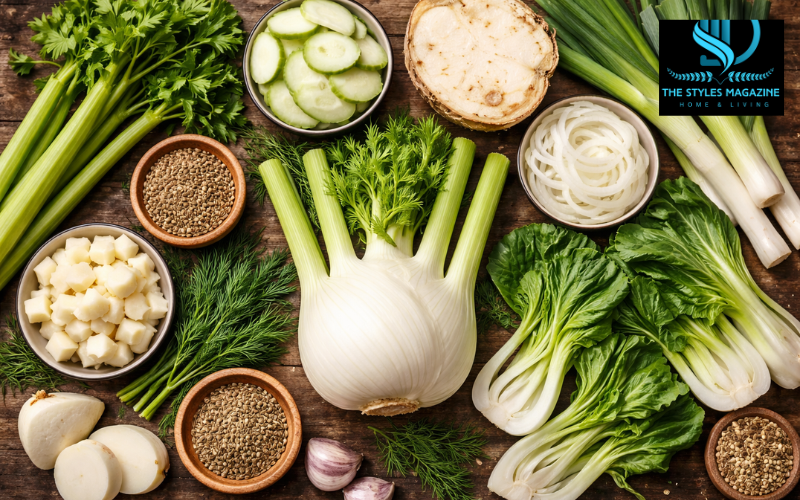
Fennel bulb is a unique vegetable known for its crisp texture and mild licorice-like flavor. It belongs to the same family as carrots and parsley but stands out because of its refreshing crunch and slightly sweet taste. In many recipes, especially Mediterranean and European dishes, fennel bulb adds both flavor and structure. It can be served raw in salads, roasted with vegetables, or slowly cooked in soups and stews where it becomes soft and sweet.
Despite its popularity in certain cuisines, many home cooks look for a substitution for fennel bulb for different reasons. In some places, fennel is not always easy to find. Others may avoid it because they do not enjoy its light anise flavor. Cost, seasonal availability, and dietary preferences can also lead people to search for alternatives. Sometimes a recipe calls for fennel unexpectedly, and cooks need a quick replacement using ingredients already in their kitchen.
The most important thing to understand when choosing a substitution for fennel bulb is that the best replacement depends on how the vegetable is being used. Raw dishes require something crisp and juicy, while cooked recipes need ingredients that soften well and develop sweetness during cooking. A good substitute should match either the texture, the flavor, or ideally both, depending on the recipe.
In this guide, you will learn how fennel bulb behaves in different dishes, how to choose the right replacement, and which vegetables work best for both raw and cooked applications. You will also discover small flavor adjustments that can help recreate fennel’s signature taste so your dish remains balanced and satisfying.
Understanding the Flavor and Texture of Fennel Bulb
To find an effective substitution for fennel bulb, it helps to understand what makes it special in the first place. Fennel has a firm, crunchy texture when raw. The layers are crisp and juicy, similar to celery but slightly thicker and more tender. This crunch makes it popular in salads, slaws, and fresh side dishes where texture plays a big role.
In terms of flavor, fennel carries a gentle sweetness with a mild licorice or anise note. This flavor is noticeable but not overpowering, which is why it pairs well with citrus, seafood, herbs, and olive oil-based dishes. The taste often surprises people because it is lighter and fresher than expected.
Matching both texture and flavor is important when selecting a substitute. If the replacement lacks crunch, a salad may feel flat. If it lacks sweetness or herbal notes, the dish may taste unbalanced. However, not every recipe requires a perfect match. Sometimes texture matters more, and in other cases flavor is the priority.
Another key detail is how fennel changes when cooked. Raw fennel is crisp and refreshing, but cooking transforms it completely. Heat softens its structure and reduces the licorice notes, bringing out a sweeter, more mellow flavor. Roasted or braised fennel becomes tender and slightly caramelized, which means substitutions for cooked dishes do not always need the same crunch as raw replacements. Understanding this difference makes it easier to choose a substitution for fennel bulb that works naturally in your recipe.
How to Choose the Right Substitution for Fennel Bulb
Choosing a suitable substitution for fennel bulb starts with understanding the role it plays in the dish. The first question to ask is whether the fennel will be eaten raw or cooked. This single factor changes the type of substitute you should consider.
In raw applications, texture is often the highest priority. The replacement should offer a clean bite and freshness so the dish does not become too soft or watery. Vegetables with a crisp structure tend to work best here. Flavor can be adjusted with herbs or seasonings if needed, but texture is harder to replace once it is missing.
For cooked recipes, texture becomes less important because the vegetables will soften during cooking. Instead, focus on ingredients that develop sweetness or mild earthiness when heated. These qualities help mimic the way fennel behaves once roasted or simmered.
Another factor is deciding whether flavor or texture matters most in the recipe. If fennel is a background ingredient mixed with many others, matching texture may be enough. If fennel is a key flavor component, then adding herbs or seeds can help bring the dish closer to the original intention.
Sometimes the best approach is to combine vegetables with simple flavor boosters. For example, a neutral crunchy vegetable can be paired with a small amount of fennel seeds or fresh dill to capture some of the herbal character. This method gives flexibility and allows you to create a balanced substitution for fennel bulb without changing the overall style of the dish.
Best Substitutes for Fennel Bulb in Raw Dishes
Raw dishes depend heavily on freshness and crunch, so the best alternatives are vegetables with a similar crisp structure. Celery is often considered the most practical choice because it has a comparable crunch and a clean flavor that blends well in salads and slaws. When sliced thinly, celery can mimic the texture of raw fennel quite closely, making it one of the easiest substitutions available.
Bok choy stems are another excellent option. They provide a juicy crunch and a mild flavor that does not compete with other ingredients. This makes them ideal for dishes where fennel is meant to add texture rather than dominate the taste. Jicama is also popular for raw preparations because it is crisp, slightly sweet, and refreshing. While it lacks fennel’s herbal notes, it works well when the goal is simply to maintain structure and bite.
Kohlrabi is another strong candidate for a substitution for fennel bulb in fresh recipes. When peeled and sliced thin, it delivers a satisfying crunch similar to fennel. Its mild flavor allows dressings and herbs to shine, though some people prefer to soak it briefly in lemon water to soften any subtle bitterness.
Preparation also matters when working with substitutes. Thin slicing helps mimic fennel’s natural layers and prevents the replacement from feeling heavy or dense. Using a sharp knife or mandoline can help create delicate pieces that blend smoothly into salads and slaws. With the right preparation, these vegetables can provide a satisfying alternative without making the dish feel different or incomplete.
Best Substitutes for Fennel Bulb in Cooked Recipes
Cooked dishes offer more flexibility when choosing a substitution for fennel bulb because heat transforms both texture and flavor. In roasting, braising, or slow cooking, the goal is to find vegetables that soften well and develop natural sweetness.
Celeriac, also known as celery root, is often a top choice for cooked applications. It becomes tender when roasted and has an earthy sweetness that works especially well in soups or purees. Although it looks different from fennel, its flavor profile fits naturally into many warm dishes.
Leeks are another excellent substitute, particularly when using the white parts. They become soft and mildly sweet when sautéed, offering a delicate onion-like flavor that complements many recipes where fennel would normally appear. Their gentle taste makes them suitable for soups, sauces, and slow-cooked meals.
Onions are perhaps the most accessible alternative. When cooked slowly, yellow or white onions caramelize and develop sweetness similar to cooked fennel. They work well in braises and roasted vegetable mixtures where texture becomes soft and tender.
Roasted beetroot can also be a surprising but effective option for certain dishes. Its natural sweetness helps replace the mellow flavor fennel develops when cooked, especially in baked or roasted preparations. While the flavor is different, it can bring a similar warmth and depth to the dish.
In general, when cooking with substitutes, focus on how the vegetable behaves under heat rather than trying to match the raw flavor exactly. A good cooked substitution should blend naturally with the recipe and support the overall balance of flavors.
Ingredient Pairings That Help Recreate Fennel Flavor
One challenge when finding a substitution for fennel bulb is replacing its subtle licorice-like flavor. Most vegetables can match texture but not taste. Fortunately, simple ingredient pairings can help bridge that gap without overwhelming the dish.
Seeds such as fennel seeds or anise seeds are commonly used to add gentle herbal notes. Using a small amount, lightly crushed or toasted, can introduce the familiar aroma associated with fennel. The key is moderation because strong flavors can quickly dominate the meal.
Fresh herbs also play a helpful role. Dill offers a light, fresh flavor that pairs naturally with many of the same ingredients as fennel. Tarragon can also work in small amounts when a slightly sweet herbal note is needed. These additions can help create balance when the substitute vegetable is neutral.
Flavor enhancement is not always necessary. In some dishes, especially those with strong sauces or multiple ingredients, the absence of fennel’s anise flavor may not even be noticeable. However, in simple recipes where fennel is a main element, adding a subtle herbal touch can make the substitution feel more intentional and complete.
Common Mistakes When Replacing Fennel Bulb
When choosing a substitution for fennel bulb, many cooks focus only on appearance. While some vegetables may look similar, they may not behave the same way in a recipe. Choosing based solely on looks can lead to disappointing results, especially in dishes where texture matters.
Another common mistake is overusing strong-flavored alternatives. Ingredients like onions or certain herbs can easily overpower a dish if used in large amounts. Since fennel itself has a mild flavor, substitutes should also be balanced and subtle.
Ignoring the cooking method is another issue. A crisp vegetable that works well in a salad may become watery or dull when cooked. Likewise, soft vegetables may not provide enough crunch in fresh dishes. Always consider how the ingredient will change during preparation and adjust accordingly.
By focusing on texture, flavor balance, and cooking style, you can avoid these mistakes and choose a substitution that supports the dish rather than changing it completely.
Quick Substitution Guide by Recipe Type
Different recipes call for different approaches when looking for a substitution for fennel bulb. In salads and slaws, crisp options like celery, kohlrabi, or jicama help maintain freshness and bite. These choices keep the texture lively while allowing dressings and herbs to stand out.
For soups and stews, softer vegetables such as leeks, onions, or celeriac work well because they blend smoothly into the dish as they cook. Their mild sweetness complements broths and slow-cooked flavors.
Roasted vegetable sides benefit from ingredients that caramelize nicely, such as onions or celeriac. These choices provide warmth and depth similar to roasted fennel.
Seafood and Mediterranean-style dishes often rely on fennel’s delicate flavor, so pairing a neutral vegetable with dill or a small amount of fennel seed can help recreate the intended balance without overwhelming the main ingredients.
Conclusion
Finding the best substitution for fennel bulb is easier when you understand what the ingredient contributes to a recipe. Its crisp texture, gentle sweetness, and mild licorice flavor can be matched in different ways depending on whether the dish is raw or cooked. By focusing on texture in fresh dishes and sweetness or softness in cooked recipes, you can choose alternatives that feel natural and satisfying.
The key is flexibility. There is no single perfect replacement, but many vegetables can work well when chosen thoughtfully. Adding simple herbs or seeds can help recreate flavor when needed, while careful preparation ensures the texture remains appealing.
Ultimately, the best substitution for fennel bulb depends on your cooking style, the ingredients you have available, and the result you want to achieve. With a little understanding and creativity, you can adapt almost any recipe successfully while keeping the dish balanced, enjoyable, and true to its purpose.
Frequently Asked Questions (FAQs)
What Is The Best Overall Substitution For Fennel Bulb?
Celery is often the most versatile substitution for fennel bulb, especially in raw dishes, because it closely matches the crunch and freshness.
Can I Use Onions Instead Of Fennel Bulb?
Yes, onions work well in cooked recipes where fennel is sautéed or caramelized. They provide sweetness but do not have the same licorice flavor.
How Can I Replace Fennel’s Licorice Taste?
You can add a small pinch of fennel seeds or anise seeds to your substitute vegetable to recreate the mild herbal flavor.
Is There A Good Substitution For Fennel Bulb In Salads?
Crisp vegetables like celery, kohlrabi, or jicama are good options because they maintain texture and freshness.
Does Fennel Taste The Same When Cooked?
No. Cooking softens fennel and reduces its licorice note, making it sweeter and milder in flavor.
Disclaimer: This article is intended for general informational and educational purposes only. Ingredient substitutions may slightly change the taste, texture, or appearance of a recipe depending on the specific dish and cooking method used. Results can vary based on ingredient quality and preparation style. Always adjust seasonings and quantities according to your personal preference and dietary needs.
Loved Reading This? Discover More Exclusive Stories And Updates At The Styles Magazine!