Sigarilyas, commonly known as the winged bean, is a tropical plant that has become popular among home gardeners and small farmers. It is valued not only for its productivity but also for its versatility in the kitchen. Many people in tropical regions grow sigarilyas because almost every part of the plant can be used for food. The young pods are often cooked in vegetable dishes, while the leaves, flowers, and even the underground tubers are edible. Because of these qualities, sigarilyas planting is considered a rewarding activity for gardeners who want a reliable and nutritious crop.
One of the main reasons sigarilyas is highly appreciated is its nutritional value. The pods contain important nutrients, including protein, fiber, vitamins, and minerals. In many households, it is used as a regular ingredient in home-cooked meals. The plant is also known for producing a generous harvest when grown in the right conditions, which makes it suitable for both backyard gardening and small-scale farming.
Another advantage of sigarilyas planting is that the plant adapts well to warm climates. In many tropical areas, gardeners grow it along fences, trellises, or garden structures where the vines can climb and spread naturally. Once established, the plant grows vigorously and produces pods regularly throughout the season.
In this guide, you will learn the essential steps for successful sigarilyas planting. The article explains the characteristics of the plant, the ideal climate and soil conditions, and how to prepare seeds for better germination. It also covers proper planting methods, care practices, and harvesting tips. By understanding these basics, gardeners can grow healthy sigarilyas plants and enjoy a steady supply of fresh pods and other edible parts.
Sigarilyas Planting Basics
| Factor | Recommended Condition |
| Climate | Warm, tropical climate |
| Temperature | 18°C – 32°C |
| Sunlight | At least 6 hours of direct sun daily |
| Soil Type | Well-draining sandy loam or clay-loam |
| Soil pH | 6.0 – 7.0 |
| Plant Spacing | 2 ft between plants, 4 ft between rows |
| Planting Depth | About 1 inch (2.5 cm) |
| Trellis Height | 1.5 – 2 meters |
| Pod Harvest Time | 75 – 90 days after planting |
| Tuber Harvest Time | 4 – 8 months |
Understanding the Sigarilyas Plant
Sigarilyas, scientifically known as the winged bean, is a climbing legume that grows well in warm and humid regions. The plant produces long vines that can climb several meters when supported by a trellis or fence. Because it belongs to the legume family, it shares similarities with beans and peas, but it is unique in that nearly the entire plant is edible.
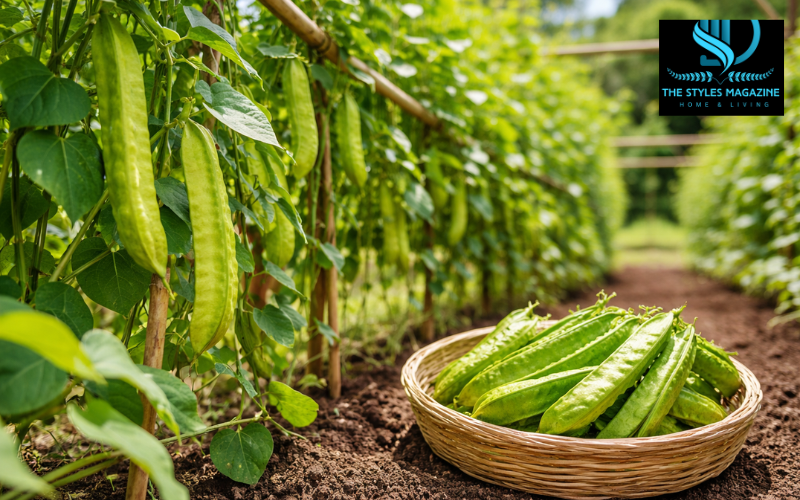
One of the most recognizable features of the sigarilyas plant is its distinctive pods. These pods have four wing-like edges that give the plant its common name, winged bean. When harvested young, the pods are tender and crisp, making them ideal for cooking in stir-fries, soups, and vegetable dishes.
Aside from the pods, the plant also produces edible leaves and flowers. The leaves can be cooked like other leafy vegetables, while the flowers can be used as a garnish or added to salads in some culinary traditions. Beneath the soil, the plant develops tubers that can also be eaten once the plant matures.
Sigarilyas thrives in tropical regions because it prefers warm temperatures and plenty of sunlight. The plant grows vigorously during the growing season and can produce a large number of pods when properly cared for. For gardeners who want a multi-purpose vegetable crop, sigarilyas planting is an excellent option because it provides both nutrition and productivity.
Ideal Climate Conditions for Sigarilyas Planting
Climate plays a major role in the success of sigarilyas planting. The plant grows best in warm environments where temperatures remain fairly stable throughout the growing season. Generally, temperatures between 18°C and 32°C support healthy growth and strong development of vines and pods.
Warm and humid conditions are especially favorable for sigarilyas. In many tropical countries, the plant grows naturally during seasons when the weather is consistently warm. Excessively cold conditions can slow down growth, while frost can damage or kill the plant entirely. For this reason, sigarilyas is usually cultivated in regions where temperatures remain mild throughout the year.
Seasonal planting periods may vary depending on the region. In many tropical areas, gardeners prefer to plant sigarilyas at the beginning of the cooler months after the rainy season. This allows the plants to grow steadily while benefiting from moderate temperatures and sufficient moisture.
Sunlight is another important factor. Sigarilyas plants require full sun to grow properly. Ideally, they should receive at least six hours of direct sunlight each day. Adequate sunlight encourages strong vine development, better flowering, and higher pod production. When grown in shaded areas, the plants may produce fewer pods and grow more slowly.
Soil Requirements for Healthy Sigarilyas Growth
Healthy soil is essential for successful sigarilyas planting. The plant grows best in soil that drains well and does not retain too much water. Excess moisture in the soil can cause root problems and reduce plant growth, so it is important to choose a planting location where water does not accumulate.
Sandy loam or clay-loam soil is generally ideal for sigarilyas. These soil types provide the right balance between moisture retention and drainage. They also allow the plant’s roots to grow freely and absorb nutrients effectively.
The soil pH also plays an important role in plant health. Sigarilyas grows best in slightly acidic to neutral soil with a pH level between 6.0 and 7.0. Soil within this range allows the plant to absorb nutrients efficiently and maintain steady growth.
Before planting, gardeners should prepare the soil by loosening it and removing weeds or debris. Adding organic matter such as compost or well-decomposed manure can improve soil fertility and structure. Good soil preparation ensures that young plants have the nutrients they need during their early stages of growth.
Preparing Sigarilyas Seeds for Planting
One unique aspect of sigarilyas planting is the preparation of the seeds. Sigarilyas seeds have a hard outer coating that can make germination slower if they are planted directly into the soil without preparation. To improve the chances of successful sprouting, gardeners often treat the seeds before planting.
A common method is soaking the seeds in water overnight. This process allows the seeds to absorb moisture and soften the outer coat. After soaking, the seeds usually appear slightly swollen, which indicates that they are ready to germinate once planted.
Another technique is scarification, which involves lightly scratching or nicking the seed coat. Some gardeners use a small tool or nail clipper to create a tiny opening in the outer shell. This allows water to reach the embryo inside the seed more easily.
Seeds that have been soaked or scarified typically germinate faster and more evenly. Once the seeds are prepared, they are ready to be planted directly in the garden soil.
Step-by-Step Sigarilyas Planting Process
Choosing the right location is the first step in the sigarilyas planting process. The area should receive full sunlight and have soil that drains well. It is also helpful to choose a location where a trellis or support structure can be installed for the climbing vines.
The seeds are usually planted about one inch deep in the soil. This depth protects the seeds while still allowing them to sprout easily. Planting too deeply may delay germination, while shallow planting may expose the seeds to drying out.
Spacing between plants is important for proper growth. Individual plants should generally be spaced about two feet apart, while rows should be spaced approximately four feet apart. This spacing provides enough room for the vines to spread and receive adequate sunlight.
Some gardeners use the hill method, where several seeds are planted around a central support stake. As the seedlings grow, the strongest plants are allowed to continue growing while weaker ones may be removed. This method works well for supporting climbing vines and maximizing garden space.
Trellis and Support Systems for Sigarilyas Plants
Sigarilyas plants are natural climbers, which means they grow best when provided with a sturdy support system. Without support, the vines may spread along the ground, making the pods more difficult to harvest and increasing the risk of disease.
A trellis or fence allows the vines to climb upward as they grow. This keeps the plants organized and improves air circulation around the leaves and pods. Good airflow can help reduce moisture-related problems and keep the plants healthier.
The recommended height for a trellis is usually between 1.5 and 2 meters. This height gives the vines enough space to grow while making it easier for gardeners to harvest the pods. Trellises can be made from bamboo poles, wooden frames, or other strong materials that can support the weight of mature vines.
Growing sigarilyas on a trellis also increases productivity. When the vines are supported, they receive better sunlight exposure and produce more flowers and pods compared to plants that grow on the ground.
Watering and Fertilizing Sigarilyas Plants
Proper watering is important for maintaining healthy sigarilyas plants. The soil should remain moist but not excessively wet. Consistent watering helps the plants develop strong roots and supports flowering and pod formation.
During dry periods, regular watering ensures that the plants continue to grow steadily. However, it is important to avoid waterlogged soil because excess moisture can damage the roots. Good drainage is essential to prevent this problem.
Fertilization is also beneficial, especially during the early stages of growth. Applying organic fertilizer or a balanced fertilizer shortly after planting can provide essential nutrients that encourage healthy development.
As a legume, sigarilyas has the natural ability to fix nitrogen in the soil. This means the plant can obtain some of its nitrogen needs from the air with the help of beneficial soil bacteria. Because of this ability, heavy nitrogen fertilization is usually unnecessary once the plant is established.
Basic Care and Maintenance After Planting
After planting, sigarilyas plants require regular care to ensure healthy growth. One of the most important tasks is controlling weeds around the plants. Weeds compete with the plants for nutrients, water, and sunlight, so removing them helps the sigarilyas plants grow more efficiently.
Some gardeners also pinch the growing tips of young plants once they reach several inches in height. This encourages the vines to branch out and produce more stems, which can eventually lead to higher pod production.
Monitoring the plants during their growth is another important step. Checking for signs of stress, pests, or nutrient problems allows gardeners to address issues before they become serious.
Healthy plants will eventually produce flowers that develop into pods. Providing proper care during this stage ensures that the plants continue producing new flowers and pods throughout the season.
Harvesting Sigarilyas Pods and Tubers
One of the most rewarding parts of sigarilyas planting is harvesting the pods. In most growing conditions, the pods are ready to harvest about 75 to 90 days after planting. The best time to pick them is when they are still young and tender.
Young pods typically measure around six to eight inches in length and have a crisp texture that makes them ideal for cooking. Harvesting them at this stage ensures the best flavor and quality.
Regular harvesting also encourages the plant to continue producing flowers and new pods. Many gardeners harvest pods every few days to maintain steady production throughout the growing season.
In addition to the pods, the plant may produce edible tubers beneath the soil. These tubers usually develop several months after planting and can be harvested between four and eight months after sowing, depending on growing conditions.
Common Challenges in Sigarilyas Planting
Although sigarilyas is generally easy to grow, gardeners may encounter a few challenges during the growing season. Poor soil drainage, insufficient sunlight, and extreme weather conditions can affect plant growth and productivity.
Waterlogged soil is one of the most common problems. Excess moisture can damage the roots and slow down plant development. Choosing well-draining soil and avoiding overwatering can help prevent this issue.
Environmental factors such as prolonged drought or strong winds may also affect the plants. Providing proper support and maintaining consistent watering can help protect the vines from stress.
Preventive care, including proper spacing, good airflow, and regular monitoring, helps maintain healthy plants. When gardeners follow good planting and care practices, sigarilyas plants usually grow vigorously and produce a reliable harvest.
Conclusion
Sigarilyas planting is a rewarding activity for gardeners who want to grow a versatile and productive vegetable crop. The plant thrives in warm climates, grows vigorously with proper support, and provides several edible parts that can be used in many dishes.
Successful cultivation begins with understanding the plant’s basic needs. Warm temperatures, full sunlight, and well-draining soil create the ideal environment for healthy growth. Proper seed preparation, careful planting, and consistent care help the plants establish strong vines and produce abundant pods.
With regular watering, occasional fertilization, and good maintenance practices, sigarilyas plants can produce a steady harvest throughout the growing season. By following the steps outlined in this guide, gardeners can enjoy the many benefits of growing this nutritious tropical legume and experience the satisfaction of successful sigarilyas planting in their own garden.
Frequently Asked Questions (FAQs)
How Long Does Sigarilyas Take To Grow?
Sigarilyas pods are usually ready to harvest 75 to 90 days after planting, while the underground tubers may take 4 to 8 months to develop fully.
What Is The Best Season For Sigarilyas Planting?
In tropical regions, sigarilyas is often planted between October and December or during cooler months when temperatures remain warm but stable.
Does Sigarilyas Need A Trellis?
Yes. Sigarilyas is a climbing vine, so it grows best with a trellis or support structure. This helps the plant receive better sunlight and increases pod production.
Can Sigarilyas Grow In Containers?
Yes, sigarilyas can grow in large containers if there is rich soil, proper drainage, and a strong trellis for the vines to climb.
Why Are My Sigarilyas Seeds Not Germinating?
Sigarilyas seeds have a hard seed coat, so they often need to be soaked overnight or lightly scarified before planting to improve germination.
Disclaimer: This article is intended for general informational and educational purposes only. Growing conditions may vary depending on climate, soil type, and location. Readers should adapt the sigarilyas planting methods according to their local environment and gardening experience.
Loved Reading This? Discover More Exclusive Stories And Updates At The Styles Magazine!