When installing tile, grout may seem like a small detail, but it plays a major role in both the appearance and durability of a tiled surface. One of the most common questions homeowners and DIY installers ask is about sanded vs unsanded grout and which one is better for their project. While both types serve the same basic purpose—filling the spaces between tiles—they are designed for different situations.
The main difference between sanded and unsanded grout lies in the presence of fine sand particles. Sanded grout contains silica sand that helps strengthen the mixture and reduce shrinkage, while unsanded grout is smoother because it does not contain sand. This difference affects how each type performs, where it should be used, and how easy it is to apply.
Choosing the right grout is important because it can influence how long your tile installation lasts and how well it holds up over time. Factors such as joint width, tile material, and the location of the installation all play a role in deciding which grout is the better option. Understanding the differences between sanded vs unsanded grout can help you make a confident decision for your tile project, whether you are renovating a bathroom, installing a kitchen backsplash, or laying new floor tiles.
Quick Comparison Guide
| Feature | Sanded Grout | Unsanded Grout |
| Main Ingredient | Contains fine silica sand | No sand, smoother mixture |
| Best Joint Width | 1/8 inch to 1/2 inch | 1/16 inch to 1/8 inch |
| Strength | More durable and crack-resistant | Less strong in wide gaps |
| Best Use Areas | Tile floors and high-traffic spaces | Walls, backsplashes, showers |
| Tile Compatibility | Ceramic, porcelain, textured stone | Glass, marble, polished tiles |
| Texture | Gritty, rough feel | Smooth and creamy |
| Price | Usually more affordable | Often slightly more expensive |
| Sealing | Recommended | Recommended in wet areas |
Understanding the Purpose of Grout in Tile Installation
Grout is a material used to fill the gaps between tiles after they are installed. Although it might appear to be just a finishing touch, grout actually serves several important purposes in tile construction. It helps lock tiles into place, prevents debris and moisture from entering the spaces between them, and gives the finished surface a clean and polished appearance.
One of the main functions of grout is to stabilize tiles. Even when tiles are installed with adhesive, small gaps are left between them to allow for natural expansion and movement. Grout fills these gaps and creates a supportive structure that helps keep tiles evenly spaced and securely positioned.
The type of grout used can also affect the durability of the tiled surface. If the wrong grout is chosen, it may crack, shrink, or fail over time. For example, wide grout lines require a stronger mixture to prevent shrinkage, while narrow joints require a smoother material that can fit into tight spaces. This is why understanding the difference between sanded vs unsanded grout is important for long-lasting tile installations.
Grout also contributes to the overall appearance of a tile surface. The color and texture of grout can highlight the tile pattern or create a more seamless look. In addition, properly applied grout helps protect the edges of tiles and prevents dirt or water from getting underneath them, which could lead to damage over time.
What Is Sanded Grout
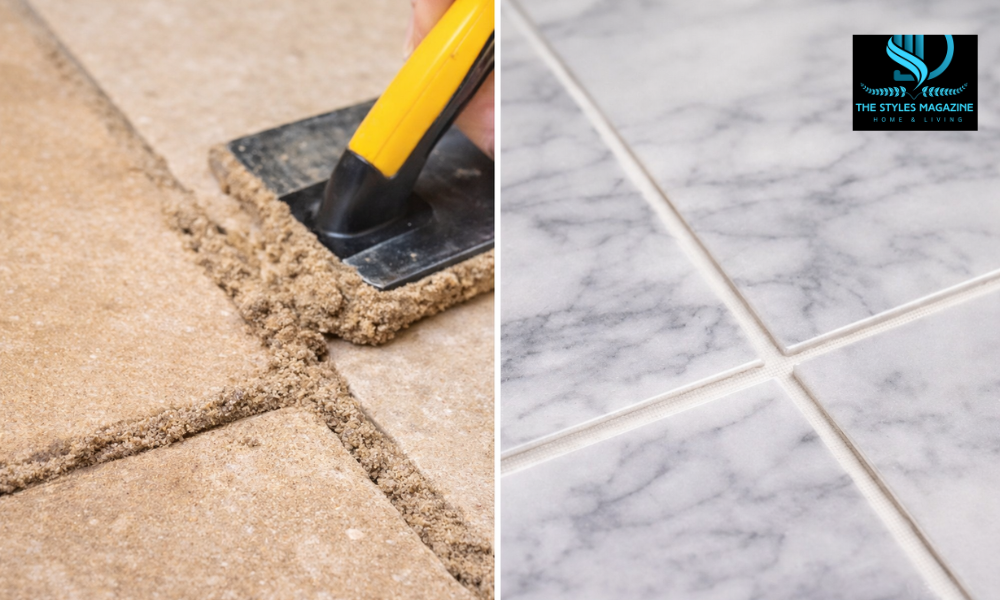
Sanded grout is a cement-based grout that contains fine silica sand mixed with Portland cement, pigments, and water-retaining agents. The sand particles act as a filler that strengthens the grout and helps prevent it from shrinking or cracking as it dries.
Because of the added sand, sanded grout has a thicker and more durable structure compared to unsanded grout. The grains of sand lock together within the mixture, creating a stable joint that can handle pressure and movement. This makes sanded grout particularly useful in areas where the tile installation will experience heavy use.
Sanded grout is most commonly used for grout lines that are 1/8 inch wide or larger. In wider joints, grout tends to shrink as it dries. The sand helps reduce this shrinkage and keeps the grout firmly in place. Without sand, grout applied to wide joints may crack or pull away from the tile edges.
Another advantage of sanded grout is its strength in high-traffic environments. Floors, entryways, and other busy areas benefit from the extra durability provided by sanded grout. It can withstand foot traffic, cleaning, and regular wear without breaking down easily.
However, the sand particles that strengthen the grout can also create a slightly rough texture. For this reason, sanded grout is generally used with tile materials that are strong enough to resist scratching, such as ceramic, porcelain, or certain types of natural stone.
What Is Unsanded Grout
Unsanded grout, sometimes called non-sanded grout, is also a cement-based mixture but does not contain sand. Instead, it is made from Portland cement, pigments, and special polymers that help improve its strength and flexibility.
Because it lacks sand particles, unsanded grout has a smooth and creamy consistency. This allows it to easily fill narrow grout lines without leaving gaps or air pockets. Its texture also makes it easier to spread and shape in small spaces.
Unsanded grout is typically recommended for grout lines that are less than 1/8 inch wide. In very narrow joints, sand particles would make the grout difficult to apply and could prevent the mixture from fully filling the space. A smooth grout mixture works better in these tight areas and provides a cleaner finish.
Another important benefit of unsanded grout is that it is safer for delicate surfaces. The smooth texture reduces the risk of scratching sensitive tile materials such as glass, polished marble, limestone, or high-gloss ceramic tiles. For this reason, unsanded grout is often used on walls, backsplashes, and decorative tile installations.
Although unsanded grout can still provide good strength, it may not be as resistant to cracking in wider joints. The absence of sand means the grout can shrink slightly as it dries, which is why it is generally limited to narrow grout lines.
Sanded vs Unsanded Grout — Key Differences Explained
When comparing sanded vs unsanded grout, the most obvious difference is the presence of sand. Sanded grout includes fine silica sand that adds strength and reduces shrinkage, while unsanded grout has a smoother composition without sand particles.
This difference affects the strength of each grout type. Sanded grout is typically more durable and resistant to cracking, especially when used in wider joints. The sand particles reinforce the grout structure, allowing it to maintain its shape even under pressure.
Unsanded grout, on the other hand, is designed for precision and smooth application. It spreads easily into narrow grout lines and creates a sleek finish that works well with polished tile surfaces.
Texture is another key difference. Sanded grout has a gritty, slightly rough feel because of the sand grains within the mixture. Unsanded grout has a much smoother texture that resembles a creamy paste.
Application can also vary between the two types. Sanded grout can be slightly more difficult to work with in tight joints because the sand particles increase its thickness. Unsanded grout spreads more smoothly and is often easier to apply on vertical surfaces like walls.
Overall, the decision between sanded vs unsanded grout depends largely on the width of the grout joints and the type of tile being installed.
Ideal Joint Width for Each Type of Grout
Joint width is one of the most important factors when choosing between sanded and unsanded grout. The size of the gap between tiles determines how the grout will behave as it dries and settles.
Sanded grout is best suited for grout lines that are 1/8 inch to 1/2 inch wide. In these larger joints, grout without sand could shrink and crack. The sand particles in sanded grout act as a filler that keeps the grout stable and prevents excessive shrinkage.
Unsanded grout is designed for much narrower grout lines, typically ranging from 1/16 inch to 1/8 inch. In these tight spaces, a smooth grout mixture can fully fill the gap and create a neat, consistent finish.
The width of the grout line matters because grout naturally contracts as it dries. If the mixture does not contain enough structural support, it may crack or pull away from the tile edges. By choosing the appropriate grout type for the joint width, installers can help ensure that the grout remains strong and intact over time.
Best Tile Surfaces for Sanded and Unsanded Grout
Different tile materials require different grout types. When deciding between sanded vs unsanded grout, it is important to consider how the grout may interact with the surface of the tile.
Ceramic and porcelain tiles are generally durable and resistant to scratching, making them compatible with sanded grout. These materials are commonly used on floors and large surfaces where wider grout lines are necessary.
Natural stone tiles can vary in hardness. Some textured stone surfaces work well with sanded grout, but softer stones may require extra care. In certain cases, unsanded grout may be recommended to avoid potential scratching.
Glass tiles and polished surfaces are more delicate and should usually be paired with unsanded grout. The smooth mixture protects the tile surface and reduces the risk of damage during installation.
Surface sensitivity is an important consideration because the abrasive texture of sanded grout can sometimes scratch glossy or polished finishes. Choosing the right grout helps preserve the appearance of the tile while ensuring a secure installation.
Durability and Performance in High-Traffic Areas
Durability is another important factor when comparing sanded vs unsanded grout. Areas that experience frequent use require grout that can handle pressure, movement, and cleaning without deteriorating.
Sanded grout is often the preferred choice for floor installations. The added sand increases the grout’s strength and resistance to cracking, making it better suited for high-traffic environments such as kitchens, hallways, and entryways.
Unsanded grout is more commonly used for wall applications. Since walls do not experience the same level of pressure as floors, the slightly lower strength of unsanded grout is usually not a concern.
Over time, a properly selected grout type can help prevent maintenance problems. Strong grout joints reduce the risk of cracking, water penetration, and tile shifting, which helps maintain the integrity of the tiled surface.
Texture and Appearance Differences
The visual and physical texture of grout can influence the overall look of a tiled surface. Sanded grout has a slightly rough, grainy feel due to the sand particles in the mixture. This texture can create a more natural or rustic appearance, especially when used with textured tiles.
Unsanded grout has a smoother finish that produces a more refined and polished look. This can be particularly attractive in decorative tile installations or modern designs where clean lines are important.
The appearance of grout also affects how noticeable the grout lines are. Smooth grout tends to blend more seamlessly with tiles, while textured grout may highlight the spacing between them.
Choosing between sanded vs unsanded grout can therefore impact both the functional and aesthetic aspects of a tile installation.
Cleaning, Maintenance, and Sealing Needs
Grout maintenance is an important part of keeping tiled surfaces looking their best. Both sanded and unsanded grout are porous materials, which means they can absorb moisture and stains if left unprotected.
Sanded grout tends to be slightly more porous because of its textured structure. The tiny spaces between sand particles can trap dirt and moisture, making sealing an important step in protecting the grout.
Unsanded grout has a smoother surface that is somewhat easier to clean. However, it can still absorb water and stains over time, especially in areas such as showers or backsplashes.
Sealing grout helps create a protective barrier that prevents moisture from penetrating the surface. Regular cleaning and occasional resealing can extend the lifespan of grout and keep tile installations looking fresh.
Cost Comparison Between Sanded and Unsanded Grout
Cost can also influence the decision between sanded and unsanded grout. In many cases, sanded grout is more budget-friendly because the sand used in the mixture is an inexpensive filler material.
Unsanded grout often costs more because it relies on special polymers to improve strength and prevent shrinkage without the use of sand. These additives increase the overall manufacturing cost of the product.
While the price difference may not be dramatic for small projects, it can become more noticeable in large tile installations. Even so, choosing the correct grout type should take priority over saving a small amount of money.
Using the wrong grout can lead to cracks, repairs, and additional labor, which may end up costing more in the long run.
How to Choose the Right Grout for Your Tile Project
Selecting the right grout involves considering several factors. The width of the grout lines is usually the first guideline installers follow. Narrow joints generally require unsanded grout, while wider joints benefit from the added strength of sanded grout.
Tile material is another important factor. Delicate or polished surfaces often need the smoother texture of unsanded grout to avoid scratching. Durable materials such as ceramic and porcelain can safely handle sanded grout.
The location of the installation also plays a role. Floors and high-traffic areas usually perform better with sanded grout due to its greater durability. Walls and decorative installations often use unsanded grout because of its smooth finish and ease of application.
By evaluating these factors, homeowners and installers can choose the grout that best suits the needs of their project.
Conclusion
Understanding the difference between sanded vs unsanded grout is essential for creating a strong and attractive tile installation. While both types serve the same purpose of filling and supporting the spaces between tiles, they are designed for different conditions.
Sanded grout offers increased strength and stability, making it ideal for wider grout lines and high-traffic areas. Unsanded grout provides a smooth, gentle finish that works well in narrow joints and on delicate tile surfaces.
Choosing the correct grout ensures that tiles remain secure, grout lines stay intact, and the finished surface maintains its appearance over time. By considering factors such as joint width, tile material, and installation location, you can select the grout that best supports both the durability and visual appeal of your tile project.
Frequently Asked Questions (FAQs)
Which Is Better, Sanded Or Unsanded Grout?
Neither is universally better. Sanded grout is stronger and ideal for wider joints, while unsanded grout is smoother and best for narrow grout lines and delicate tile surfaces.
Can Sanded Grout Be Used In Small Grout Lines?
It is not recommended. Sanded grout can be difficult to push into narrow joints and may not fill them properly. Unsanded grout works better for joints smaller than 1/8 inch.
Does Unsanded Grout Crack Easily?
Unsanded grout can crack if used in wide grout lines because it lacks sand reinforcement. It performs best in narrow joints where shrinkage is minimal.
Do Both Types Of Grout Need Sealing?
Most cement-based grouts benefit from sealing. Sanded grout especially should be sealed because its porous texture can absorb water and stains.
Is Sanded Grout Stronger Than Unsanded Grout?
Yes, sanded grout is generally stronger because the sand particles reinforce the mixture and help prevent shrinkage and cracking.
Disclaimer: The information in this article is intended for general educational and informational purposes only. While we strive to provide accurate and up-to-date guidance, tile installation methods and materials may vary by project. Always consult a professional contractor or product manufacturer for advice specific to your installation.
Loved Reading This? Discover More Exclusive Stories And Updates At The Styles Magazine!