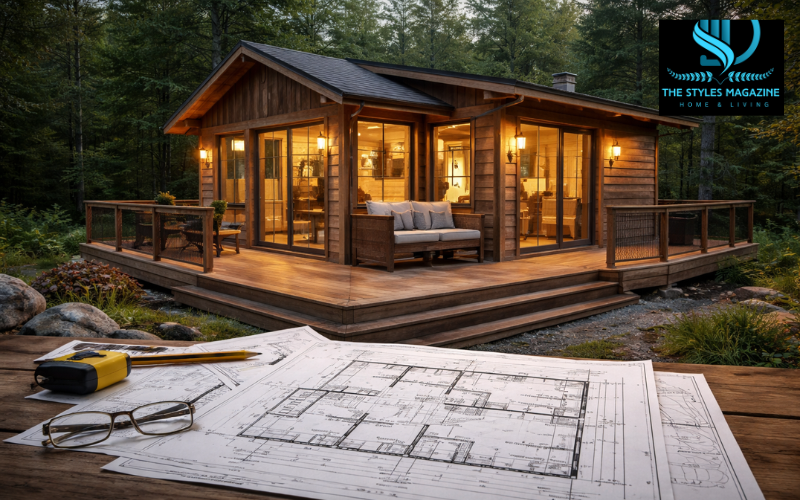
One bedroom cabin plans are designed for people who want a simple, comfortable living space without the size and cost of a traditional house. These cabins focus on practical layouts and efficient use of space, making them ideal for small properties, vacation areas, or quiet rural locations. In recent years, the popularity of small homes has grown, and many homeowners are turning to compact cabins as an affordable and flexible housing option.
Most one bedroom cabin plans range from about 300 to 600 square feet. Despite the smaller size, these cabins can feel spacious when designed thoughtfully. Open layouts, high ceilings, and large windows often help create a sense of openness while maintaining a cozy atmosphere. Because the footprint is smaller, construction costs and maintenance are usually lower than larger homes.
These cabin designs appeal to many different types of homeowners. Some people build them as vacation homes in forests, mountains, or lakeside locations. Others use them for off-grid living, where a smaller structure is easier to power and maintain. They are also popular as rental cabins or guest houses, especially in areas that attract tourists. In addition, individuals who prefer a minimalist lifestyle often choose a one bedroom cabin because it encourages simpler living with fewer possessions.
Efficient design plays a key role in small cabin architecture. Every part of the space needs to serve a purpose, and layouts are planned carefully to avoid wasted areas. Features like open living rooms, loft spaces, and outdoor decks help make these cabins feel larger than their actual size. With the right design, a compact cabin can provide all the comfort of a traditional home while keeping the structure practical and easy to manage.
What Defines a One Bedroom Cabin Plan
A one bedroom cabin plan is defined by its compact layout and its focus on essential living spaces. Unlike larger homes that may include several bedrooms and multiple living areas, these cabins concentrate on a single private bedroom along with shared spaces for cooking, dining, and relaxing. The goal is to provide everything needed for comfortable living while keeping the structure small and efficient.
One of the most important characteristics of these plans is smart space planning. Designers often arrange the bedroom on one side of the cabin for privacy while the remaining space is used for the kitchen, living room, and dining area. By limiting interior walls and using open floor concepts, the cabin feels larger and more inviting.
Comfort is achieved not through size but through thoughtful layout decisions. For example, windows are usually positioned to bring in natural light and offer views of the surrounding landscape. Storage areas may be built into walls or under furniture to keep the interior uncluttered.
A typical one bedroom cabin plan includes a small entry area, a living space, a kitchen, a bathroom, and a separate bedroom. In some cases, the bedroom may be slightly elevated or placed in a loft area to free up space below. The balance between functionality and simplicity is what makes these plans appealing. Every part of the cabin serves a clear purpose, creating a home that is practical, comfortable, and easy to maintain.
Common Layout Features in One Bedroom Cabin Designs
One bedroom cabin designs often share several layout features that help maximize space and improve daily living. One of the most common elements is the open-concept living area. Instead of dividing the interior into many separate rooms, the kitchen, dining area, and living room are combined into one larger space. This design makes the cabin feel more open and allows natural light to spread throughout the interior.
Another typical feature is a compact kitchen that uses space efficiently. Cabinets may extend upward to use vertical wall space, and appliances are usually smaller than those in standard homes. Despite the reduced size, these kitchens can still provide everything needed for everyday cooking.
Storage is another important consideration in small cabins. Built-in shelves, hidden compartments, and multi-functional furniture help keep the space organized. For example, benches may include storage underneath, and beds can have drawers built into the base.
Flexibility is also a key part of these layouts. A living area may double as a workspace, reading corner, or entertainment area depending on how the homeowner chooses to use it. By designing spaces that can serve multiple purposes, one bedroom cabin plans provide more usability within a limited footprint.
The Role of Lofts in Small Cabin Floor Plans
Lofts are a common feature in many one bedroom cabin plans because they help make better use of vertical space. When the main floor area is limited, adding a loft allows the cabin to gain additional functional space without increasing the building’s footprint.
In many small cabins, a loft is used as a secondary sleeping area, especially when the cabin is intended for guests or short-term stays. Some homeowners also use loft spaces for storage, reading areas, or quiet relaxation spots. Because lofts are typically positioned above the living room or kitchen, they help keep the main floor open and uncluttered.
One of the advantages of loft designs is that they can make the interior feel more spacious. High ceilings and open views between levels create a sense of height that reduces the feeling of confinement often associated with small homes.
However, lofts must be designed carefully to ensure safety and accessibility. Stairs or ladders should be stable and easy to use, and railings are necessary to prevent falls. Adequate headroom is also important so that the space remains comfortable rather than cramped. When planned correctly, lofts become one of the most practical features in compact cabin design.
Popular Styles of One Bedroom Cabin Plans
One bedroom cabin plans come in several architectural styles, each offering its own appearance and atmosphere. One popular option is the tiny cabin with a wraparound porch. These cabins emphasize outdoor living, allowing homeowners to enjoy the surrounding scenery from multiple sides of the structure. Vaulted ceilings and large fireplaces are often included to create a warm and inviting interior.
Another well-known design is the A-frame cabin. This style is recognized by its steeply pitched roof that forms the shape of the letter “A.” The design is especially practical in snowy regions because the roof allows snow to slide off easily. Many A-frame cabins include loft sleeping areas that take advantage of the tall interior space.
Modern mini cabins represent a more contemporary approach to small living. These designs feature clean lines, large windows, and simple materials. The goal is to create a bright and open environment where natural light plays an important role. Energy-efficient systems such as mini-split heating and cooling units are often included in these modern cabins.
Rustic or craftsman-style cabins offer a more traditional look. These cabins commonly use wood, stone, and other natural materials to blend with their surroundings. Earth-tone colors and handcrafted details give the interior a warm and timeless appearance. Each of these styles shows how one bedroom cabin plans can adapt to different design preferences while maintaining a compact footprint.
Outdoor Living Features That Expand Cabin Space
Outdoor spaces play an important role in many cabin designs. Because the interior area is limited, exterior features often act as an extension of the living space. Porches, decks, and patios provide additional areas where residents can relax, cook, or entertain guests.
A wraparound porch is one of the most popular additions to a small cabin. This design surrounds part or all of the structure and offers multiple viewpoints of the surrounding environment. It also provides shade during warmer months and protects the entrance from rain.
Covered decks are another useful feature. They create a comfortable outdoor seating area where homeowners can enjoy fresh air without worrying about weather conditions. In many cabin settings, these decks become the primary gathering space for friends and family.
Connecting indoor and outdoor living areas is a common design strategy. Large doors or windows may open directly onto a porch or deck, allowing the interior and exterior spaces to flow together. This approach effectively increases the usable living area without increasing the cabin’s interior square footage.
Typical Size and Space Planning for One Bedroom Cabins
Most one bedroom cabin plans are designed within a relatively small size range. A typical cabin may measure between 300 and 600 square feet, although some designs can be slightly larger depending on the site and the homeowner’s needs.
Within this space, careful planning is essential to maintain comfort. Bedrooms are usually compact but large enough to fit a bed and minimal storage. The living area tends to occupy the largest portion of the cabin since it serves multiple functions throughout the day.
Ceiling height also plays a role in space perception. Many cabins include vaulted or cathedral ceilings that draw the eye upward and create a sense of openness. Combined with large windows, this design approach helps prevent the interior from feeling confined.
The layout must also consider the size and shape of the land where the cabin will be built. On smaller plots, the structure may need to be arranged in a narrow or rectangular form to fit within property boundaries. Efficient planning ensures that even limited land can accommodate a comfortable and attractive cabin.
Estimated Building Costs for One Bedroom Cabins (2025–2026)
Building a small cabin is often more affordable than constructing a traditional house, but costs can vary depending on several factors. Current estimates suggest that construction typically ranges between $100 and $200 per square foot. This means that a cabin measuring 500 to 600 square feet could cost roughly $50,000 to $120,000, depending on materials and location.
Several elements influence the final cost of building a cabin. The quality of materials, the complexity of the design, and the local cost of labor all play a role. Cabins built in remote areas may also require additional transportation costs for materials and equipment.
Budget planning is important before construction begins. Homeowners should consider not only the building materials but also permits, utilities, and interior finishes. Choosing simpler designs and standard materials can help reduce overall expenses.
Modern cabin designs may cost slightly more because they often include larger windows, advanced insulation, or energy-efficient heating and cooling systems. However, these features can lower long-term energy costs, making them a practical investment for many homeowners.
Types of Cabin Plan Packages Available
Before construction begins, homeowners typically purchase or obtain a set of cabin plans. These plans guide builders through the construction process and ensure the structure is built safely and correctly.
One common option is a study plan, which provides a basic overview of the cabin layout. Study plans are often used to visualize the design, review room arrangements, and obtain construction cost estimates. However, they usually do not include the detailed information required for building.
For actual construction, homeowners need complete building plans. These blueprints include measurements, structural details, and instructions that contractors follow during the building process. They may also contain electrical layouts, foundation drawings, and roof designs.
Some plan packages also provide CAD files or digital designs, which allow architects or builders to modify the plan if necessary. Choosing the right package depends on the homeowner’s needs and whether the design will be built exactly as shown or adjusted to fit specific requirements.
Where to Find Reliable One Bedroom Cabin Plans
Reliable one bedroom cabin plans can be found through several sources. Many homeowners start by exploring online plan libraries and design marketplaces that specialize in small homes and cabins. These platforms often provide hundreds of designs in different styles and sizes.
Independent cabin designers and architects are another option. Working with a professional allows homeowners to receive guidance and, if necessary, customize the plan to suit a particular location or lifestyle. This can be especially helpful when building on uneven terrain or in areas with strict building codes.
Some services offer fully customized cabin plans. These designs are created specifically for the client, ensuring that the layout, style, and features match their vision. Although custom designs can cost more, they provide greater flexibility.
Before purchasing any plan, it is important to review details such as dimensions, structural requirements, and licensing terms. Ensuring that the plan meets local building regulations can prevent delays during the construction process.
Choosing the Right One Bedroom Cabin Plan for Your Needs
Selecting the right cabin plan requires careful consideration of lifestyle and intended use. For example, a cabin used as a vacation retreat may prioritize scenic views and outdoor living areas, while a full-time residence may require additional storage and larger interior spaces.
Climate and location also influence design decisions. In colder regions, steep roofs and strong insulation help protect the structure from heavy snowfall. In warmer climates, large windows and shaded porches can improve ventilation and comfort.
Long-term usability is another important factor. Even though the cabin is small, the layout should remain comfortable over time. Features like accessible stairs, practical storage, and well-placed windows contribute to a more enjoyable living experience.
Balancing visual appeal with practicality ensures that the final design is both attractive and functional. When these elements are carefully considered, a one bedroom cabin plan can provide a welcoming and efficient living environment.
Conclusion
One bedroom cabin plans continue to attract homeowners who value simplicity, efficiency, and connection with nature. These compact homes show that comfortable living does not always require large spaces. With thoughtful design and smart layouts, even a small cabin can provide everything needed for everyday life.
Efficient floor plans, open interiors, and well-planned outdoor areas help maximize both comfort and usability. As construction techniques and design ideas continue to evolve, modern cabin plans offer more options than ever before.
Choosing the right design ultimately depends on personal preferences, lifestyle, and location. By carefully evaluating layout features, construction costs, and long-term needs, homeowners can select a cabin plan that fits their goals while making the most of a compact and inviting living space.
FAQs
How Big Is A Typical One Bedroom Cabin?
Most one bedroom cabin plans range between 300 and 600 square feet, depending on the design and layout.
Are One Bedroom Cabins Suitable For Full-time Living?
Yes, many people live in one bedroom cabins full-time, especially if the layout is well-designed and includes enough storage and living space.
Do Small Cabins Usually Include Lofts?
Many one bedroom cabin plans include a loft area to add extra sleeping or storage space without increasing the cabin’s footprint.
How Much Does It Cost To Build A One Bedroom Cabin?
Construction costs usually range from $100 to $200 per square foot, depending on materials, location, and design features.
Can A One Bedroom Cabin Be Used As A Rental Property?
Yes, small cabins are often used as vacation rentals or guest houses, especially in scenic or tourist-friendly locations.
Disclaimer: The information in this article about one bedroom cabin plans is intended for general educational and informational purposes only. Building costs, design options, and construction requirements may vary depending on location, materials, local building codes, and market conditions. Readers should consult with professional architects, builders, or local authorities before purchasing plans or starting a construction project to ensure compliance with current regulations and to obtain accurate cost estimates.
Loved Reading This? Discover More Exclusive Stories And Updates At The Styles Magazine!