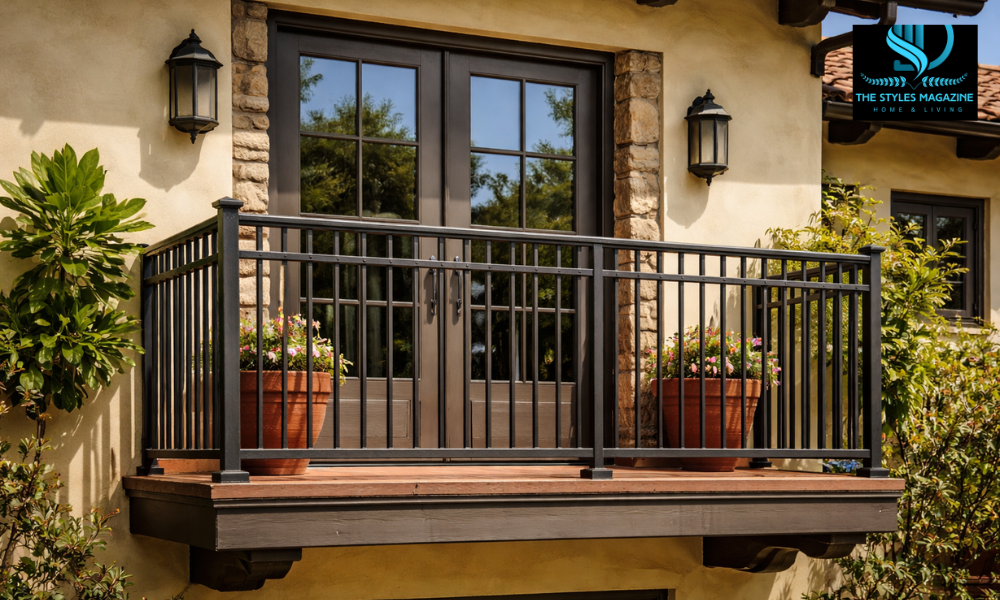
A Mission Style Wrought Iron Balcony refers to a balcony railing design inspired by the Mission Revival and Arts & Crafts movements, known for its clean geometry, strong structure, and understated beauty. Instead of heavy scrolls or overly decorative shapes, this style focuses on simple lines, balanced proportions, and a timeless architectural feel. Homeowners often choose it because it blends tradition with durability, making it suitable for both new builds and renovations.
This design works especially well for Mission Revival, Craftsman, and Spanish-influenced homes, but it also fits modern renovations that want a warm and structured look. Whether you are installing a small balcony, a Juliet balcony, or updating an older exterior, Mission-style ironwork provides character without making the space feel crowded. Its simplicity helps the home look intentional rather than decorative for the sake of decoration.
In this guide, you will learn how to recognize authentic Mission design cues, plan for safety and building codes, choose finishes that last outdoors, understand cost factors, and avoid common mistakes. By the end, you should have a clear understanding of how to choose or design a Mission Style Wrought Iron Balcony that looks right, functions safely, and stays attractive over time.
What “Mission Style” Means in Balcony Ironwork
Mission style comes from the broader Mission Revival and Arts & Crafts design movements that emphasized honest craftsmanship and practical beauty. Instead of complex ornamentation, the focus is on strong construction and visible structure. The style developed as a response to overly decorative Victorian design, replacing it with clean lines and natural proportions that feel calm and grounded.
In balcony ironwork, the Mission look means choosing straight lines, geometric forms, and a strong visual rhythm. The goal is to create a railing that feels architectural, as if it naturally belongs to the house rather than being added later. This is why many Mission-style balconies appear simple at first glance but look elegant when viewed closely.
A common mistake is confusing Mission style with Mediterranean or ornate Spanish ironwork. While these styles may share materials like wrought iron, Mission design avoids large curls, dramatic scrolls, or excessive decorative flourishes. Keeping the design restrained is what gives it long-term appeal and prevents it from looking dated.
Signature Design Elements to Include (the Mission checklist)
The core of a Mission Style Wrought Iron Balcony is the use of straight vertical pickets supported by strong top and bottom rails. This structure creates a clean, organized appearance that aligns with the architecture instead of drawing too much attention. The spacing between elements is usually consistent, which adds visual harmony.
Geometric patterns such as rectangles, squares, or grid-like layouts are common features. These repeating shapes give the railing rhythm and balance without making it visually heavy. Many designers focus on symmetry because it reinforces the calm and structured feeling associated with Mission design.
Subtle accents can be included, but they should be used carefully. Small rings, simple panels, or minimal decorative inserts may add character while keeping the overall look disciplined. The most successful designs maintain architectural proportions, meaning the iron should look strong enough to feel safe but not so thick that it appears bulky or industrial.
Best Balcony Types for Mission-Style Wrought Iron
A Juliet balcony is one of the most popular applications for Mission-style ironwork. Since it sits close to doors or windows with minimal depth, the clean lines of Mission design provide visual interest without making the façade look crowded. The simple pattern works well at eye level and enhances the exterior without blocking light.
Small walk-out balconies also benefit from this style because Mission railings balance openness with privacy. The vertical lines allow airflow and visibility, while closer spacing can offer a sense of enclosure. Homeowners often appreciate how this style feels secure while still maintaining a light appearance.
For wraparound terraces or long balcony runs, consistency becomes important. Repeating the same geometric pattern across a larger distance helps the structure look unified instead of fragmented. Many homeowners also match their balcony design with stair rails, window guards, or entrance gates so the overall exterior feels planned and cohesive rather than pieced together.
Material & Build Quality (what to ask before you buy)
Today, the term “wrought iron” often refers to fabricated steel rather than traditional hand-forged iron. Modern mild steel is commonly used because it is strong, easier to shape, and more affordable while still delivering the classic wrought iron appearance. Understanding this distinction helps buyers make realistic expectations when comparing products.
Another important detail is whether the railing uses solid bars or hollow tubes. Solid bars feel heavier and more premium, often preferred for high-end balconies. Hollow tubes can still be strong when properly engineered and are sometimes used to reduce cost and weight, especially for larger installations.
Quality craftsmanship shows in the details. Smooth welds, clean joints, and consistent finishing are signs of good work. Poorly finished seams or uneven spacing can reduce both durability and visual appeal. Homeowners should also ask about hardware and anchoring methods, since the strength of the balcony depends not only on the ironwork itself but on how securely it connects to the building structure.
Safety & Code Considerations (keep it high-trust, practical)
Safety should always come before design preferences. Guardrail height requirements vary by location, so homeowners should check local regulations to ensure compliance. Many regions require a minimum height for balconies to prevent falls, especially for upper levels. Confirming these details early helps avoid redesign costs later.
Baluster spacing is another key factor, especially for households with children or pets. Openings should be narrow enough to prevent accidents while still maintaining the clean look associated with Mission style. Many designers adjust spacing slightly without changing the overall aesthetic.
Load capacity and anchoring are equally important. Balconies attached to stucco, masonry, or older brick walls may require specialized mounting techniques. In high-wind areas or older homes, consulting a contractor or engineer is often the safest choice. Professional input ensures the railing performs well under real-world conditions and remains secure long term.
Design Planning: Getting the Proportions Right
One of the biggest factors that determines whether a Mission Style Wrought Iron Balcony looks professional is proportion. A useful guideline is to match the thickness of the iron rails with existing architectural details such as trim, beams, or support posts. When these elements feel visually connected, the balcony looks like a natural part of the home.
Pattern scale matters as well. A design that is too dense can feel heavy, while one that is too open may look unfinished. Homeowners often benefit from viewing mockups or sample panels to judge how the pattern appears from different distances. Simple adjustments in spacing can dramatically improve the final result.
Privacy can also be achieved without breaking Mission style. Slightly tighter picket spacing, a lower solid panel band, or partial screening can create a more private feeling while keeping the design clean and geometric. The key is maintaining simplicity so the railing stays true to its architectural roots.
Finishes That Look Authentic (and last outdoors)
Color and finish play a major role in achieving an authentic Mission look. Matte black, satin black, and dark bronze are the most common choices because they complement the style’s understated character. These tones blend naturally with wood, stucco, and stone surfaces often found in Mission-inspired homes.
When choosing between powder coating and traditional paint systems, durability should be considered. Powder coating generally provides stronger resistance against weather, chipping, and fading, making it a practical option for outdoor use. Paint systems can still work well when properly applied with quality primer and protective layers, but they may require more maintenance over time.
Homes located in coastal or humid climates need extra rust protection. A proper system usually includes a rust-inhibiting primer, a durable topcoat, and regular inspections. Preventing moisture buildup around joints and mounting areas can extend the life of the balcony and keep it looking clean for years.
Maintenance & Rust-Proofing: A Realistic Routine
Maintaining a Mission Style Wrought Iron Balcony does not need to be complicated, but regular attention makes a big difference. A simple seasonal inspection helps identify early signs of rust, loose hardware, or finish damage before they become larger problems. Checking corners and welded joints is especially important since moisture tends to collect there.
Small chips or scratches should be touched up quickly to prevent rust from spreading. Light sanding followed by primer and matching paint can restore protection without requiring full repainting. Many homeowners overlook minor damage, but early repairs significantly increase durability.
Cleaning should be gentle and consistent. Mild soap and water are usually enough to remove dirt and debris. Harsh chemicals, abrasive pads, or pressure washing at close range may damage protective coatings, so a soft approach is recommended to preserve the finish.
Cost Factors: What Changes the Price Most
The size of the balcony is one of the most obvious cost drivers. More linear feet, additional corners, and larger panels increase material use and labor time. Complex layouts often require custom measurements, which can raise fabrication costs.
Design complexity also affects pricing. Simple straight-line Mission designs tend to be more affordable than railings with custom panels, rings, or personalized details. Even small decorative additions can increase fabrication time, so it helps to prioritize essential features.
Finish quality and surface preparation influence overall cost as well. High-quality coatings designed for outdoor durability usually cost more upfront but reduce maintenance expenses later. Installation challenges such as limited access, upper-level placement, or permit requirements can also affect the final budget.
Hiring & Ordering Tips (experience-style advice)
Before placing an order, request a clear quote that includes a drawing or mockup, finish specifications, and warranty details. Visual plans help ensure everyone shares the same understanding of the design. This reduces surprises during installation and helps prevent costly revisions.
Sharing reference photos is a useful way to communicate the Mission style accurately. Since many people interpret design terms differently, images help fabricators understand your expectations regarding simplicity, spacing, and overall feel.
When speaking with installers or fabricators, ask about lead times, coating processes, and how future repairs are handled. Knowing whether replacement parts or touch-up services are available gives peace of mind and helps maintain the balcony’s appearance over the long term.
Conclusion
A Mission Style Wrought Iron Balcony combines simple geometry, strong lines, and quality craftsmanship to create a design that feels timeless and practical. Its clean structure works across many home styles and offers a balance of beauty and durability without relying on heavy decoration.
When planning your project, focus on proportion, material quality, safety standards, and protective finishes. Taking time to measure carefully, choose a balanced pattern, and confirm proper installation will help ensure long-term satisfaction.
With thoughtful design choices and regular maintenance, a Mission Style Wrought Iron Balcony can enhance your home’s exterior for many years while providing both safety and architectural character.
FAQs
Q1: Can Mission Style Still Look Elegant Without Scrolls?
A: Yes. Mission style focuses on clean lines, strong geometry, and balanced proportions instead of heavy decoration. Its simplicity is what makes it look timeless and refined.
Q2: What Finish Holds Up Best In Rain Or Coastal Areas?
A: Powder-coated finishes are usually the best choice for wet or humid climates because they resist rust, fading, and chipping better than standard paint. Regular inspections also help extend durability.
Q3: Can I Retrofit A Mission Style Wrought Iron Balcony Onto An Older Home?
A: Yes, in many cases you can. However, the structure should be checked first to ensure it can safely support the balcony, and proper anchoring methods should be used according to local codes.
Q4: How Do I Match Balcony Ironwork With Existing Window Guards Or Rails?
A: Match the line thickness, spacing, and finish color. Using similar geometric patterns will help the exterior look consistent and architecturally connected.
Disclaimer: This article is for informational purposes only. Design preferences, safety standards, and building codes may vary by location. Always consult a qualified contractor or local building professional before installing or modifying any balcony or railing system.
Loved Reading This? Discover More Exclusive Stories And Updates At The Styles Magazine!