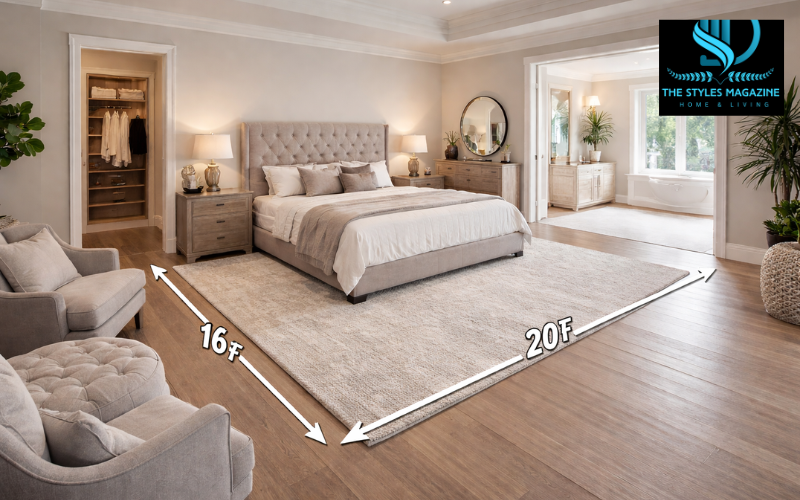
When people talk about master bedroom size, they are usually referring to the largest bedroom in a home, designed to give homeowners extra comfort, privacy, and functional living space. This room often includes features such as a larger sleeping area, attached bathroom, or walk-in closet, which makes its size an important part of overall home design.
The size of a master bedroom matters for several reasons. First, it directly affects comfort. A well-sized room allows easy movement, better airflow, and enough space for furniture without feeling cramped. Second, bedroom size influences furniture placement. Choosing the right bed, wardrobes, or seating area becomes easier when the room’s dimensions are planned correctly. Third, master bedroom size can impact home value. Buyers often look for spacious master suites, especially in modern homes, making this area an important feature in real estate.
In most homes, master bedrooms typically range between about 200 and 300 square feet, though newer construction often includes larger suites that reach 250 to 400 square feet or more when bathrooms and closets are included. Modern home design has shifted toward practical layouts that combine comfort with efficiency, so understanding the right size is more important than ever.
In this guide, you will learn what counts as a standard master bedroom size, how sizes are categorized, how bed dimensions affect space planning, and how modern design trends and regional differences influence bedroom layouts. Whether you are building, renovating, or simply planning furniture placement, understanding master bedroom size will help you make smarter decisions.
What Is Considered a Standard Master Bedroom Size?
A standard master bedroom size is generally considered to fall between 200 and 300 square feet. In many homes, dimensions around 14 x 16 feet are common because they provide enough space for a large bed, side tables, and basic storage while maintaining comfortable walking space. This size is large enough to feel open but still practical for average home layouts.
Modern homes often include slightly larger master bedrooms compared to older houses. New construction tends to focus on lifestyle comfort, meaning homeowners expect more room for seating areas, larger closets, and private bathrooms. As a result, master bedrooms today may extend into the 250–400 square foot range, especially in suburban homes where space is more available.
Older homes, on the other hand, were often designed with smaller bedrooms due to different lifestyle needs and construction priorities. In houses built decades ago, a master bedroom might be closer to 12 x 14 feet or slightly smaller. While still functional, these spaces may feel tighter when fitted with modern furniture styles.
The standard size is not fixed, but rather a flexible guideline that balances comfort, functionality, and overall home proportions. The key idea is that the master bedroom should feel spacious enough to serve as a relaxing private area without overpowering the layout of the rest of the house.
Master Bedroom Size Categories Explained
Master bedrooms are often grouped into categories based on their dimensions, which helps homeowners understand what to expect from different layouts.
Small master bedrooms usually measure around 12 x 14 feet or approximately 160–180 square feet. These rooms are common in compact homes or urban spaces where square footage is limited. Even though they are smaller, they can still function well with smart furniture placement and minimal design choices. A small master bedroom focuses more on efficiency than luxury.
Medium or standard master bedrooms fall within the 200–300 square foot range. This is the most common category and provides a comfortable balance between space and practicality. Rooms in this size range easily accommodate a king or queen bed along with dressers and side tables, while still leaving enough room for movement. For many homeowners, this is the ideal size because it feels spacious without being excessive.
Large or luxury master suites usually begin around 350 square feet and may exceed 400 square feet in high-end homes. These spaces often include sitting areas, oversized walk-in closets, and attached bathrooms that feel almost like private retreats. In luxury properties, master suites can even exceed 600 square feet, offering hotel-like comfort and multiple functional zones.
The overall size of a home strongly affects these categories. Larger houses generally include bigger master bedrooms to maintain balance with living rooms and other spaces. In smaller homes, designers focus on maximizing usability rather than simply increasing square footage.
Ideal Master Bedroom Dimensions for Different Bed Sizes
One of the most important factors when deciding on master bedroom size is the type of bed you plan to use. Bed dimensions influence how much remaining space is available for movement and furniture.
King beds are a popular choice in master bedrooms because they provide maximum sleeping comfort. However, they require larger rooms. A minimum room size of about 12 x 12 feet can fit a king bed, but a larger space such as 13 x 13 feet or more is recommended if you want nightstands and comfortable walking areas. Without enough space, the room can feel crowded.
Queen beds are slightly smaller and more flexible. They fit comfortably in rooms starting around 10 x 12 feet, making them ideal for smaller master bedrooms. Many homeowners choose queen beds when they want a balance between comfort and efficient use of space.
California King beds are longer than standard kings, making them suitable for taller individuals. Because of their added length, rooms at least 12 x 14 feet are usually recommended to avoid tight pathways around the bed.
Regardless of bed type, experts generally recommend maintaining around 30 inches of clearance around the bed for comfortable movement. This walking space makes daily activities easier and prevents the room from feeling cramped. Adequate spacing also allows doors, drawers, and closets to open freely without obstruction.
How Layout and Furniture Impact Master Bedroom Space
The perceived size of a master bedroom is not only about square footage but also about how the space is arranged. A well-planned layout can make a medium room feel large, while poor furniture placement can make even a big room feel tight.
Circulation space is one of the most important design factors. This refers to the clear pathways that allow easy movement throughout the room. When furniture blocks natural walking paths, the room loses comfort and functionality. Leaving open space around the bed and between furniture pieces helps the room feel breathable and organized.
Placement of wardrobes, nightstands, and dressers should support both convenience and visual balance. Large furniture against walls usually creates a more open center area, which improves movement. Matching furniture scale to room size also helps maintain harmony. Oversized pieces in a small room can quickly overwhelm the space.
Walk-in closets and attached bathrooms are common in modern master bedrooms. These features often increase the total size of the suite, but they also require thoughtful planning to maintain flow between areas. Well-positioned doors and clear transitions between sleeping and dressing zones improve functionality.
There is also a difference between functional spaciousness and visual spaciousness. Functional space refers to actual movement and usability, while visual spaciousness comes from design choices like lighter colors, natural light, and minimal clutter. Combining both creates a bedroom that feels larger and more relaxing.
Master Bedroom Size in Modern Homes (2026 Trends)
In 2026, modern home design continues to influence how master bedroom size is planned. Builders and homeowners alike are focusing on comfort-driven layouts that support daily living rather than just appearance.
Current construction trends show a preference for larger master suites, especially in suburban developments. Many homeowners now see the bedroom as a private retreat, not just a sleeping space. This shift has encouraged larger rooms that include seating corners, work areas, or lounge spaces.
Open layouts are also becoming more common. Instead of fully separated spaces, modern master bedrooms sometimes blend into dressing areas or bathrooms with smoother transitions. This approach creates a sense of openness even when the actual square footage remains moderate.
At the same time, there is a growing interest in multifunctional spaces. Some homeowners prefer slightly smaller bedrooms that are thoughtfully arranged rather than oversized rooms that feel empty. Efficient design, smart storage, and flexible furniture are becoming key priorities.
Today’s homeowners generally value practicality over unnecessary luxury. Comfortable walking space, better natural lighting, and practical storage often matter more than simply having a larger room. As a result, the ideal master bedroom size in modern homes depends on how well the space supports daily life.
Regional Differences in Master Bedroom Sizes Around the World
Master bedroom size varies significantly depending on location and local housing trends. In the United States, master bedrooms tend to be larger compared to many other regions. Average sizes usually range between 200 and 300 square feet, with suburban homes often featuring even larger suites.
In the United Kingdom, bedrooms are typically smaller, averaging around 150 to 250 square feet. Homes there often prioritize efficient use of space due to older building structures and higher land costs. Australia, on the other hand, frequently includes larger master bedrooms similar to American standards, especially in newer homes where space is more available.
In countries like Japan and South Korea, master bedrooms are generally smaller, often between 100 and 200 square feet. High urban density and limited living space encourage compact but highly functional layouts.
Even within the United States, differences exist between urban and suburban areas. Urban homes and apartments usually have smaller master bedrooms, often around 12 x 14 feet, because land is limited and expensive. Suburban houses tend to offer larger layouts, with dimensions like 16 x 18 feet being more common.
These regional differences show that there is no single ideal size. Instead, master bedroom size reflects cultural preferences, housing markets, and available space.
How to Choose the Right Master Bedroom Size for Your Home
Choosing the right master bedroom size depends largely on lifestyle and personal preferences. Some people value open space and extra seating, while others prefer a simpler layout that focuses mainly on sleeping comfort. Understanding how you use the room daily helps guide size decisions.
Furniture planning should begin early, especially when building or renovating a home. Knowing whether you want a king bed, large wardrobe, or additional furniture prevents layout problems later. Measuring furniture dimensions alongside room size ensures everything fits comfortably.
Balancing comfort with budget is also important. Larger bedrooms increase construction and maintenance costs, so it is wise to choose a size that feels comfortable without being excessive. In many cases, a well-designed medium-sized bedroom offers better long-term value than an oversized space that is rarely used.
Available square footage in the home should also guide decisions. Keeping the master bedroom proportional to the rest of the house creates visual balance and maintains practical living space for other rooms.
Conclusion
Understanding master bedroom size is essential for creating a comfortable and functional living space. Standard sizes usually range between 200 and 300 square feet, but factors such as home design, furniture choices, and personal lifestyle can influence what feels ideal. From small and efficient layouts to large luxury suites, each size category serves different needs.
Choosing the right dimensions involves more than just measurements. Bed size, furniture arrangement, layout flow, and modern design trends all play important roles in how spacious a bedroom feels. Regional differences also show that the best master bedroom size depends on location, lifestyle, and available space.
Ultimately, the right master bedroom size is the one that balances comfort, function, and practicality. By focusing on how the space will be used every day, homeowners can create a bedroom that feels welcoming, organized, and perfectly suited to their lifestyle.
FAQs
What Is The Average Master Bedroom Size?
The average master bedroom size usually ranges between 200 and 300 square feet, depending on home design and location.
What Is The Minimum Size For A Master Bedroom?
A comfortable minimum size is around 12 × 14 feet, which allows space for a bed and basic furniture.
Is A 14 × 16 Bedroom Considered A Good Master Bedroom Size?
Yes, 14 × 16 feet is considered a standard and practical size for most modern homes.
Can A King Bed Fit In A Small Master Bedroom?
Yes, but the room should ideally be at least 12 × 12 feet to maintain comfortable walking space.
Does Master Bedroom Size Affect Home Value?
Yes, larger and well-designed master bedrooms often increase buyer appeal and can positively influence property value.
Disclaimer: The information provided in this article is for general educational and informational purposes only. Bedroom sizes, layouts, and design standards may vary based on location, building codes, construction styles, and personal preferences. Always consult a qualified architect, interior designer, or contractor before making construction, renovation, or property-related decisions.
Loved Reading This? Discover More Exclusive Stories And Updates At The Styles Magazine!