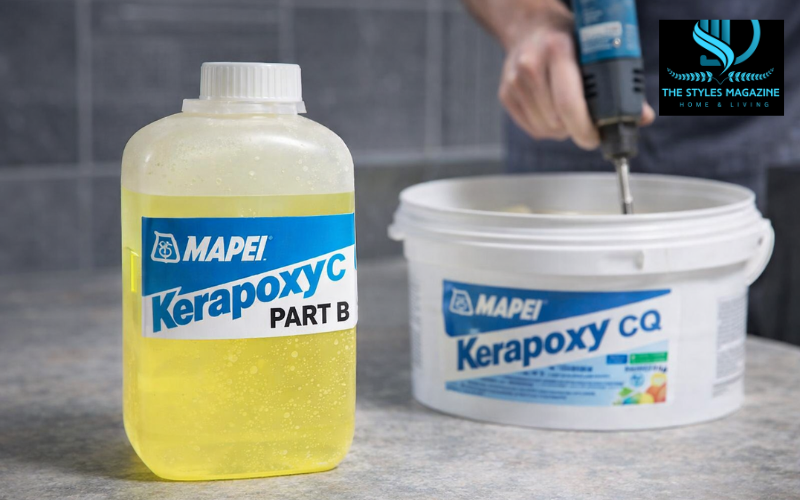
When working with epoxy grout systems, every component plays an important role in achieving a strong and durable finish. Mapei Kerapoxy CQ Part B is one of those essential components. It is the hardener used in the well-known Kerapoxy CQ epoxy grout system produced by Mapei. While it may look like a simple liquid gel, it performs a critical function that allows the grout to cure properly and develop its long-lasting properties.
In a two-part epoxy grout system, Part A and Part B must be mixed together before the product can be applied. Part A usually contains the resin and fillers, while Mapei Kerapoxy CQ Part B acts as the hardener or catalyst. When these two components are combined, a chemical reaction begins. This reaction allows the mixture to harden and form a solid, durable grout that bonds strongly between tiles.
The presence of Mapei Kerapoxy CQ Part B is what helps the grout achieve many of its desirable characteristics. These include strong resistance to chemicals, long-term durability, and protection against moisture. Because of these qualities, epoxy grout systems like Kerapoxy CQ are widely used in places where traditional cement grout may not perform well.
This type of grout system is commonly used in both residential and commercial tile installations. You can often find it in kitchens, bathrooms, swimming pools, food preparation areas, and other environments where durability and water resistance are important. By understanding how Mapei Kerapoxy CQ Part B works within the grout system, installers and property owners can better appreciate the value it adds to tile installations.
What Mapei Kerapoxy CQ Part B Is and How It Works
To understand the purpose of Mapei Kerapoxy CQ Part B, it is helpful to first understand how epoxy grout systems work. Unlike traditional grout, which is typically based on cement, epoxy grout is made from chemical components that react with each other when mixed. This reaction creates a dense and highly durable material.
The Kerapoxy CQ system is designed as a two-component epoxy grout. Each component has a different role. Component A contains the epoxy resin and special fillers that give the grout its body and texture. Mapei Kerapoxy CQ Part B serves as the hardener that activates the curing process.
When Part A and Part B are mixed together, they begin a chemical reaction called polymerization. During this reaction, the molecules in the resin and hardener link together and form a strong network. This network transforms the soft mixture into a solid material that can resist water, chemicals, and heavy use.
Because Mapei Kerapoxy CQ Part B triggers this reaction, it is essential for the grout to cure properly. Without the hardener, the mixture would not develop the strength and stability required for long-lasting grout joints. The reaction between the two components also helps create a waterproof structure, which is one reason epoxy grout is often preferred in wet environments.
Another advantage of this chemical reaction is that it produces a grout that is less porous than cement-based alternatives. This means the finished grout is better protected from stains, moisture, and harsh cleaning chemicals. The result is a grout line that remains strong and clean for a longer period of time.
Key Technical Specifications of Mapei Kerapoxy CQ Part B
Like most construction materials, Mapei Kerapoxy CQ Part B has specific technical characteristics that help determine how it performs during installation. These properties are carefully designed to ensure the grout system works effectively when the two components are mixed.
One of the most noticeable features of this component is its gel-like consistency. Instead of being a thin liquid, Part B has a thicker texture that helps it blend properly with the resin in Component A. This consistency makes it easier to mix and ensures the final grout has a uniform structure.
In terms of appearance, Mapei Kerapoxy CQ Part B is typically described as a light yellow gel. It may also have a mild odor similar to ammonia. This is normal for epoxy hardeners and does not affect the performance of the grout when handled correctly.
The density of Part B usually falls within a specific range, generally close to about 0.98 to 1.06 grams per cubic centimeter. This measurement helps manufacturers control the balance between the two components during mixing. Maintaining the correct density ensures that the chemical reaction occurs as expected.
Viscosity is another important property. The viscosity of Mapei Kerapoxy CQ Part B can vary depending on testing conditions, but it generally falls within a high range. This thicker consistency helps the component stay stable during storage and mix evenly with Part A.
All of these technical characteristics contribute to the final performance of the epoxy grout. When properly mixed, the system produces a grout that is resistant to chemicals, strong enough for demanding environments, and capable of maintaining its structure for many years.
Mixing Ratio and Compatibility with Component A
One of the most important aspects of working with Mapei Kerapoxy CQ Part B is maintaining the correct mixing ratio with Component A. The manufacturer designs the system so that both parts work together in a precise balance. If this balance is not maintained, the grout may not cure correctly.
The typical mixing ratio for the Kerapoxy CQ system is nine parts of Component A to one part of Component B. This ratio ensures that there is enough hardener present to activate the curing process without disrupting the chemical structure of the grout.
Using the correct ratio is essential because the reaction between the resin and hardener depends on a balanced mixture. If too little of Mapei Kerapoxy CQ Part B is used, the grout may remain soft or sticky because the curing process cannot complete. On the other hand, using too much hardener may cause the grout to set too quickly or develop an uneven structure.
For this reason, installers are usually advised to mix the entire contents of both containers together. Since the components are pre-measured by the manufacturer, combining the full quantities helps ensure the correct ratio is achieved.
If the components are not mixed properly, several issues can occur. The grout may lose some of its strength, become difficult to apply, or fail to reach its full resistance to chemicals and moisture. Following the recommended mixing ratio helps prevent these problems and allows the epoxy grout system to perform as intended.
Proper Mixing Process for Best Results
Achieving the best results with Mapei Kerapoxy CQ Part B requires careful mixing. The goal is to create a smooth and uniform paste that can be applied easily between tiles.
Before mixing begins, it is important to prepare both components. The container of Part A should be opened first, and then the entire contents of Mapei Kerapoxy CQ Part B should be poured into it. This ensures that the mixture contains the full amount of hardener required for proper curing.
Most installers prefer to use a low-speed electric mixer when combining the components. Mixing by hand can sometimes make it difficult to achieve a fully consistent blend, especially with thicker epoxy materials.
The mixer should operate at a low speed because high speeds can introduce heat into the mixture. Excess heat may shorten the working time and cause the grout to harden more quickly than expected. By mixing slowly, the installer can create a smooth and creamy consistency without overheating the material.
Once the mixture reaches an even texture with no visible streaks, it is ready to use. A properly mixed epoxy grout should appear uniform and easy to spread during application.
Working Time and Application Conditions
After Mapei Kerapoxy CQ Part B is mixed with Component A, the grout will not remain workable indefinitely. The time during which the mixture can still be applied is known as the pot life or working time.
For most installations, the working time is about 45 minutes after mixing. During this period, the grout should be applied and shaped between the tiles. As the chemical reaction continues, the mixture will gradually begin to harden.
Several factors can influence how long the grout remains workable. Temperature is one of the most important. Warmer environments tend to accelerate the curing process, which reduces the available working time. Cooler temperatures may extend it slightly.
Manufacturers generally recommend applying the grout when tile temperatures fall between approximately 16°C and 32°C (60°F to 90°F). This range provides a balance that allows the mixture to remain workable long enough for proper installation.
Environmental conditions such as humidity and airflow may also influence curing. Maintaining stable conditions during installation helps ensure that the grout hardens evenly and develops its full strength.
Performance Benefits of Using Mapei Kerapoxy CQ Part B
One of the main reasons installers choose epoxy grout systems is the performance they provide. Mapei Kerapoxy CQ Part B plays an important role in delivering these benefits.
A key advantage is high chemical resistance. Epoxy grout can withstand exposure to many cleaning agents, oils, and chemicals that might damage traditional grout. This makes it especially useful in kitchens, laboratories, and industrial settings.
Another benefit is strong bonding performance. When the grout cures, it forms a dense structure that holds firmly between tiles. This helps prevent cracking or weakening over time.
Water resistance is also a major advantage. The chemical structure formed by Mapei Kerapoxy CQ Part B and Component A creates a surface that is much less porous than cement grout. This helps protect the grout lines from moisture and reduces the risk of stains.
Because of these qualities, epoxy grout systems are often used in demanding environments where durability and cleanliness are essential.
Safety Precautions When Handling Part B
Like many chemical construction products, Mapei Kerapoxy CQ Part B should be handled carefully. Although it is designed for professional use, basic safety practices help ensure safe installation.
Proper ventilation is recommended during mixing and application. This helps reduce exposure to any vapors that may be released during the process.
It is also important to avoid direct contact with the skin or eyes. Wearing protective gloves and safety glasses can help prevent irritation.
Because the product contains reactive components, installers should follow standard workplace safety practices. This includes reading product labels and handling the material according to the manufacturer’s instructions.
Taking these precautions helps ensure a safe working environment while using epoxy grout systems.
Storage Requirements and Shelf Life
Correct storage helps maintain the quality of Mapei Kerapoxy CQ Part B before it is used. The product should be kept in a cool and dry location away from extreme temperatures.
It is recommended to store the material in its original packaging until it is ready to be used. The sealed container helps protect the component from moisture and contamination.
When stored properly, the product typically has a shelf life of about 24 months. During this time, the chemical properties remain stable and ready for use.
Exposure to excessive heat, freezing temperatures, or damaged packaging may affect the stability of the product. Proper storage conditions help ensure that the component performs correctly when mixed with Part A.
Product Packaging and Availability
In most cases, Mapei Kerapoxy CQ Part B is not sold separately. Instead, it is included as part of a complete epoxy grout kit. This approach helps ensure that the correct proportions of each component are available for mixing.
The Kerapoxy CQ system is often sold in different kit sizes to accommodate various project needs. Smaller installations may use compact kits, while larger commercial projects may require bigger containers.
These kits are typically available through tile supply stores, flooring retailers, and building material suppliers. Some large home improvement retailers may also carry the product.
Selling the components together reduces the risk of mixing errors and helps installers achieve the correct ratio during preparation.
Conclusion
Mapei Kerapoxy CQ Part B is a critical component in the Kerapoxy CQ epoxy grout system. As the hardener, it activates the chemical reaction that allows the grout to cure and develop its strength. Without this component, the epoxy grout would not be able to form the durable structure needed for long-lasting tile installations.
By working together with Component A, Mapei Kerapoxy CQ Part B helps create grout that is resistant to chemicals, moisture, and everyday wear. These properties make epoxy grout a reliable option for many residential and commercial environments.
Understanding how the hardener functions, how it should be mixed, and how it should be handled can help installers achieve the best results. Following proper mixing ratios, maintaining safe working conditions, and storing the product correctly all contribute to a successful grout installation.
When used correctly, this two-component epoxy system provides a strong and dependable solution for modern tile applications.
FAQs
What Is Mapei Kerapoxy CQ Part B Used For?
Mapei Kerapoxy CQ Part B is the hardener used in the Kerapoxy CQ epoxy grout system. It is mixed with Part A to start the curing process and create strong, waterproof grout for tile installations.
Can Mapei Kerapoxy CQ Part B Be Used Alone?
No, it cannot be used alone. It must be mixed with Component A because both parts work together to form the epoxy grout.
What Is The Mixing Ratio For Kerapoxy CQ Part A And Part B?
The standard mixing ratio is usually 9 parts Component A to 1 part Component B. Following the correct ratio is important for proper curing and performance.
How Long Can The Grout Be Used After Mixing?
Once mixed, the working time is typically around 45 minutes, depending on temperature and site conditions.
Is Epoxy Grout With Kerapoxy CQ Suitable For Wet Areas?
Yes, epoxy grout made with Mapei Kerapoxy CQ is highly water-resistant and durable, making it suitable for areas like bathrooms, kitchens, and swimming pools.
Disclaimer: This article is provided for general informational and educational purposes only. The information about Mapei Kerapoxy CQ Part B is based on publicly available product details and general industry knowledge. Product specifications, application methods, and safety instructions may change over time. Always refer to the official manufacturer’s documentation and technical data sheets before using any construction product. The author and publisher are not responsible for any misuse, installation errors, or damages resulting from the use of this information.
Loved Reading This? Discover More Exclusive Stories And Updates At The Styles Magazine!