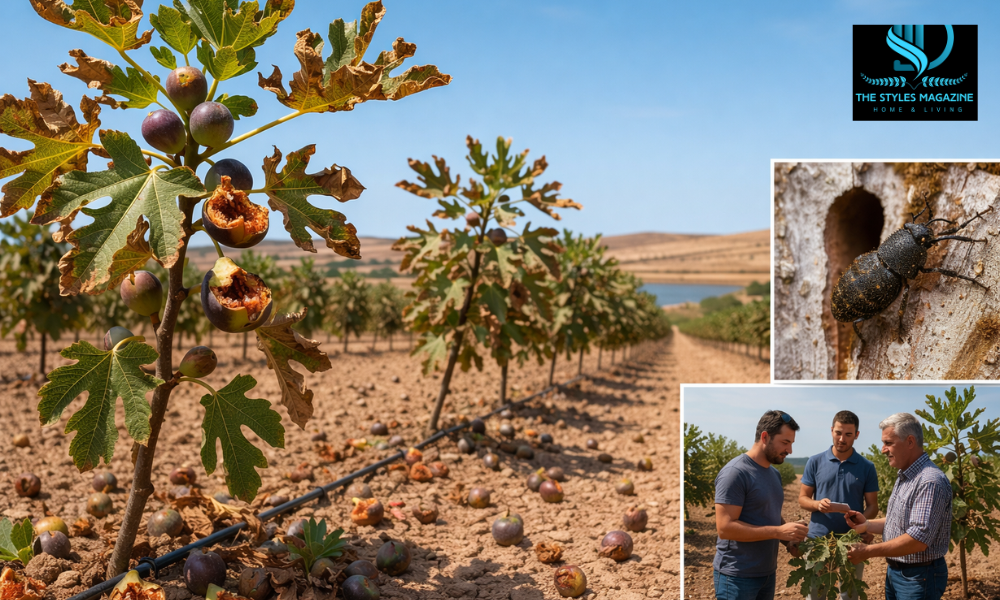
In a quiet orchard in southern Italy, the fig trees look healthy from a distance. Their broad leaves still cast shade on the dry soil below. But when a grower lifts a branch, the problem becomes clear. Some fruit has dropped too early. Others are split or sunburned. A few trees show weak growth where last year’s crop should have formed. This is what italian fig crop loss looks like in real life—not dramatic at first glance, but deeply worrying to those who depend on the harvest.
Figs are more than a seasonal fruit in Italy. They are tied to regional identity, local markets, export income, and small family farms that have grown them for generations. When harvest volumes fall, the impact spreads quickly. Wholesale prices shift. Processors struggle to secure supply for dried figs and jams. Even home gardeners begin to ask why their backyard tree is not producing like it used to.
In this guide, you will learn what italian fig crop loss really means, what causes it, which regions are most affected, and how growers and home orchard owners can respond. We will look at weather patterns, drought stress, pests, diseases, and practical prevention steps that can reduce risk in future seasons.
Quick Definition + What “Crop Loss” Looks Like in Real Life
Crop loss in fig production does not always mean total failure. In most cases, it appears as reduced yield, lower fruit quality, or uneven harvest timing. Farmers may see heavy fruit drop before ripening. Some figs split open after sudden rain. Others develop sunburn marks that make them unmarketable. In more serious cases, fungal rot spreads through ripening fruit, or entire branches weaken and die back.
Italian fig production also has two distinct harvest windows. The early crop, often called the breba or “fioroni,” develops on wood formed the previous year. The main crop grows later in summer on new shoots. Italian fig crop loss can affect one harvest and spare the other. For example, a late frost may damage breba fruit while the main crop recovers. In contrast, severe summer drought can reduce the main harvest even if spring production looked promising.
Understanding which crop is affected helps growers diagnose the cause. Timing is often the first clue.
Where Figs Are Grown in Italy (And Why the South Is Most Exposed)
Italy’s fig production is concentrated mainly in the southern regions. Apulia is known for its large commercial orchards and dried fig processing. Sicily and Calabria also produce significant volumes, while Campania supports both local consumption and specialty varieties. Smaller plantings exist in central regions, but the South remains the core production zone.
Geography plays a major role. Coastal orchards benefit from sea breezes that reduce extreme heat, but they may face salt stress or strong winds. Inland hills often provide good drainage and moderate temperatures, yet they can suffer during prolonged drought if irrigation is limited. Access to water varies widely between farms.
In recent seasons, parts of Apulia have reported heavy strain during the early harvest window, with significant spring losses in some orchards. This has increased attention on italian fig crop loss as a national agricultural concern rather than a local issue.
The Weather Pattern Behind Recent Losses: “Warm… Then Shock”
One common pattern behind italian fig crop loss begins with a mild winter. Trees break dormancy early, buds swell, and flowering structures begin to form. Then a sudden late cold snap arrives. Even a short frost event can damage developing breba fruit, leading to reduced early harvest.
Later in the season, rapid heat spikes create a different kind of stress. When temperatures rise sharply during fruit swelling, figs can ripen too quickly. This shortens the harvest window and increases fruit drop. Growers may struggle to pick fruit before it overripens.
Another risk appears when long dry periods are followed by intense rainfall. The fruit absorbs water quickly, causing splitting and increased fungal pressure. These warm, dry, and then wet cycles have become more frequent in parts of Italy, placing additional stress on fig orchards and other crops.
Drought Stress: The Quiet Yield-Killer (Especially on Islands)
Figs are often described as drought-tolerant trees. While they can survive dry conditions better than many fruit crops, survival is not the same as commercial productivity. During prolonged drought, trees reduce fruit size to conserve water. This leads to smaller figs, lower sugar development, and sometimes early fruit drop.
Drought stress also affects the following season. When trees struggle through one dry year, they may produce weaker shoots and fewer fruiting sites the next. This delayed impact is a hidden part of italian fig crop loss.
Sicily and Sardinia have faced exceptional drought conditions in recent years, with water reserves under pressure. Even irrigated orchards can suffer if water allocations are restricted. In these situations, yield reductions become unavoidable unless careful water management strategies are in place.
Heat Damage in Figs: Sunburn, “Cooked” Fruit, and Compressed Harvest Windows
Extreme heat does more than reduce size. It can directly damage fruit quality. Sun-exposed figs may develop bronzed or leathery skin. In severe cases, the internal pulp breaks down and develops sour flavors. These figs cannot be sold fresh and are often unsuitable for processing.
Rapid heat waves also compress the harvest schedule. Instead of ripening gradually over weeks, large portions of the crop mature at once. This overwhelms available labor and packing facilities. Unpicked fruit quickly overripens and falls, increasing total losses.
Growers are experimenting with solutions such as improved canopy management, limited shade cloth in exposed rows, and adjusted irrigation timing to reduce peak heat stress. These strategies require careful balance to avoid creating excess humidity around the fruit.
Biological Threats: Invasive Pests That Weaken or Kill Trees
Beyond weather, biological threats contribute to italian fig crop loss. In recent years, attention has focused on invasive borers and weevils that attack fig trunks and roots. One species, Aclees sp. cf. foveatus, commonly known as the black weevil, has raised concern in several regions.
Adult insects lay eggs near the base of the tree. The larvae bore into wood, disrupting water and nutrient flow. Over time, infested trees show wilting branches, reduced vigor, and in severe cases, death. Damage often goes unnoticed until symptoms become visible.
There is also a secondary infection risk. Wounds created by pests allow fungi to enter the tree. This combination of insect damage and fungal infection can accelerate decline. Early detection and rapid removal of heavily infested trees are critical to limiting spread.
Diseases & Rot: When Humidity and Stress Invite Trouble
Figs are susceptible to both viral and fungal problems. Virus-like symptoms include mottled leaves, stunted growth, and uneven fruit development. These issues often originate from infected planting material and can persist for the life of the tree.
Fungal rots typically increase during humid periods, especially after fruit splitting. Rot can spread quickly across ripening fruit if sanitation is poor. Wood infections may follow improper pruning cuts or pest damage.
Prevention is far more effective than cure. Using certified planting stock, practicing clean pruning methods, and removing infected wood promptly are essential steps. Once a disease becomes established in an orchard, control becomes much more difficult and expensive.
The Economics: What Italian Fig Crop Loss Changes for Prices, Exports, and Small Farms
Italian fig crop loss has direct financial consequences. Farm expenses such as labor, irrigation systems, and land management remain constant even if yields drop. This squeezes profit margins, especially for small family farms.
Processors who produce dried figs, preserves, and specialty products may struggle to secure enough high-quality fruit. Limited supply can lead to higher raw material costs. These increases often reach consumers in the form of higher retail prices.
When supply tightens, quality standards may also become stricter. Buyers focus on premium fruit, and lower-grade produce may not find a market. For growers already facing reduced yields, this creates additional pressure.
What Growers Are Doing Now (Field-Tested, Practical Adaptations)
Experienced growers are adjusting water strategies first. Deep, infrequent irrigation encourages strong root systems, while shallow frequent watering can lead to weaker roots and unstable fruit quality. Many farmers are increasing organic matter in soil to improve water retention and reduce stress during dry periods.
Canopy management is also evolving. Pruning for airflow helps reduce fungal pressure, but excessive pruning exposes fruit to direct sunburn. Balanced pruning that protects fruit while maintaining ventilation is now a priority.
Regular monitoring has become more systematic. Weekly inspections for trunk holes, sawdust-like frass near the base, sudden limb wilting, or unusual fruit drop allow early intervention. Rapid sanitation, including removal of fallen fruit and infested wood, helps break pest and disease cycles.
Some growers are exploring cultivars better suited to high heat and variable chill patterns. While no variety is immune to stress, selecting adaptable types can reduce long-term vulnerability.
Home Garden & Small-Orchard Survival Guide
If I had to protect one fig tree with minimal budget, I would start with the basics. First, I would ensure the soil holds moisture by adding compost and applying mulch. This simple step reduces water stress and improves fruit quality.
Painting the trunk with diluted white latex paint can reduce sunscald during extreme heat. Temporary shade cloth during peak summer afternoons can protect exposed fruit without enclosing the tree. In very stressful seasons, thinning excess fruit allows the tree to focus energy on fewer, higher-quality figs.
Timing matters when using netting. Installing it too early can trap humidity and increase fungal risk. It is better to apply netting close to ripening and remove it promptly after harvest.
Common mistakes include overwatering, which can cause fruit splitting, and heavy summer pruning that exposes fruit to direct sun. Simple, consistent care often prevents many problems associated with italian fig crop loss in home settings.
Conclusion
Italian fig crop loss is rarely caused by a single factor. Weather shocks, prolonged drought, invasive pests, and disease pressure interact in complex ways. Because the causes are layered, the solutions must also be layered.
Better monitoring, smarter irrigation, careful canopy management, and rapid response to biological threats can significantly reduce risk. While climate variability presents new challenges, growers who adapt with practical, field-tested strategies can protect both yield and quality.
The future of italian fig crop loss depends on awareness and action. With informed management and continued research, Italy’s fig orchards can remain productive and resilient even in changing conditions.
FAQs
What Is Causing Italian Fig Crop Loss In Recent Years?
The main causes include extreme weather shifts, prolonged drought, heat waves, invasive pests such as black weevil, and increased fungal diseases after heavy rainfall.
Which Regions In Italy Are Most Affected By Fig Crop Loss?
Southern regions like Apulia, Sicily, Calabria, and parts of Campania are most exposed due to higher temperatures, water shortages, and climate variability.
Can Fig Trees Recover After A Poor Harvest Season?
Yes, healthy trees can recover if stress is managed properly through balanced irrigation, pruning, soil improvement, and pest monitoring in the following season.
How Does Drought Specifically Affect Fig Production?
Drought reduces fruit size, lowers sugar content, increases fruit drop, and weakens the tree’s ability to produce strong crops in the next year.
What Are The Early Warning Signs Of Pest-related Fig Tree Damage?
Look for trunk holes, sawdust-like residue near the base, sudden branch wilting, reduced leaf growth, and unexplained fruit drop.
Disclaimer: This article is for informational and educational purposes only. Agricultural conditions vary by region, soil type, and climate. Growers should consult local agronomists or agricultural extension services before applying pest control products, irrigation adjustments, or disease management practices. The information provided here does not replace professional farming advice tailored to specific orchards or commercial operations.
Loved Reading This? Discover More Exclusive Stories And Updates At The Styles Magazine!