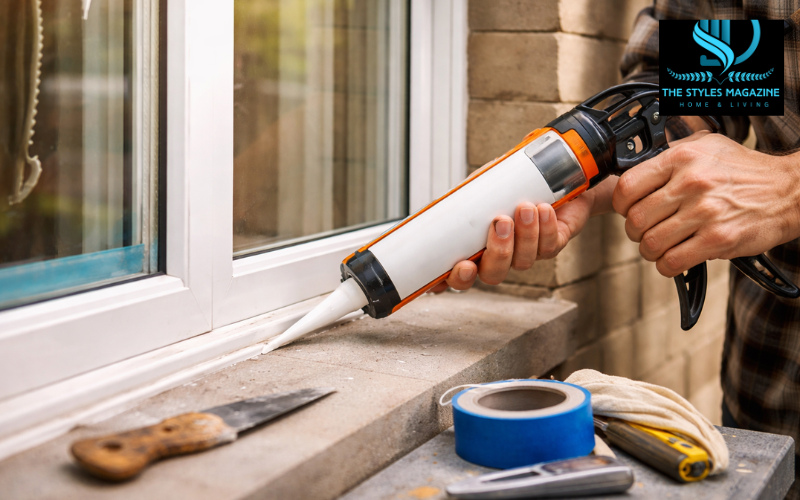
Windows play an important role in keeping your home comfortable, but over time, the seal around them can wear out. Learning how to reseal windows is a simple and practical way to fix common problems like drafts, water leaks, and rising energy bills. When the seal breaks down, air can pass through small gaps, moisture can enter, and your heating or cooling system has to work harder than it should.
There are many reasons why window seals fail. Exposure to sunlight, rain, temperature changes, and general wear can cause the original sealant to crack or shrink. As a result, you may notice cold air entering during winter, or warm air escaping in summer. In some cases, water may even seep into the walls, leading to damage over time.
The good news is that resealing windows does not always require professional help. In many cases, it is a simple task that you can handle at home with basic tools and the right approach. By understanding how the process works and when to do it, you can improve your home’s comfort and save money at the same time.
Quick Step-by-Step Guide
| Step | What to Do | Why It Matters |
| 1 | Remove old caulk | Ensures new seal sticks properly |
| 2 | Clean the surface | Removes dust, oil, and moisture |
| 3 | Let area dry fully | Prevents weak bonding |
| 4 | Apply new sealant | Blocks drafts and water |
| 5 | Smooth the seal | Creates a clean, tight finish |
| 6 | Let it cure (24 hrs) | Ensures long-lasting protection |
Understanding When Your Windows Need Resealing
Before starting, it is important to know when your windows actually need resealing. One of the most common signs is a noticeable draft, even when the window is fully closed. You might feel cold air near the frame or see curtains moving slightly due to airflow. Another clear sign is visible cracks or gaps in the existing sealant around the window edges.
Moisture problems are also a strong indicator. If you see water marks, mold, or condensation forming around the frame, it may mean that the seal is no longer effective. In some cases, higher energy bills can also point to poor insulation caused by damaged window seals.
It is also helpful to understand the difference between minor and serious issues. Small gaps or cracks can usually be fixed easily with resealing. However, if there is damage inside the window itself, such as condensation between glass panes, the problem may go beyond simple sealing.
You should also consider whether the issue is inside or outside. Interior gaps often affect comfort and appearance, while exterior gaps expose your home to weather conditions. Both areas are important, but exterior sealing usually has a greater impact on long-term protection.
Can You Reseal Windows Yourself or Should You Hire a Professional
Many homeowners wonder if they can reseal windows themselves. The answer is yes, in most cases. If the problem involves small cracks, worn-out caulk, or minor air leaks, a DIY approach works well. With a little patience and the right tools, you can achieve clean and effective results.
However, there are situations where hiring professionals makes more sense. If the window frame is damaged, if there are large gaps, or if the issue involves double glazed windows with internal seal failure, it is better to seek expert help. Companies that reseal windows have the experience and equipment needed for more complex repairs.
It is also important to consider the risks of improper sealing. If the sealant is applied incorrectly, it may not stick properly or could leave gaps behind. This can lead to continued air leaks or even worsen the problem. That is why careful preparation and correct application are essential when doing it yourself.
Essential Tools and Materials for Resealing Windows at Home
To reseal windows successfully, you need a few basic tools and materials. Choosing the right sealant is one of the most important steps. Silicone sealant is a popular option for outdoor use because it is strong and water-resistant. Acrylic or latex caulk is often used indoors because it is easier to paint and clean.
You will also need a caulking gun to apply the sealant evenly. A utility knife or scraper helps remove old caulk, while a clean cloth and mild cleaner are useful for preparing the surface. For larger gaps, materials like foam backer rods or expanding foam can provide extra support before applying the sealant.
Having the right tools makes the job much easier and ensures a neat finish. It also helps the new seal last longer, which means you will not have to repeat the process frequently.
How to Reseal Windows Inside (Interior Sealing Guide)
Interior resealing focuses on areas that affect comfort and appearance. Common problem spots include the edges of the window frame, trim, and sill. Over time, these areas can develop small cracks that allow air to pass through.
When resealing inside, it is best to use a sealant that is easy to work with and can be painted over if needed. Acrylic caulk is often a good choice for this purpose. It blends well with indoor surfaces and gives a clean finish.
To achieve a professional look, take your time during application. Apply a smooth, even line of sealant and gently press it into place. This not only improves the appearance but also ensures that the gap is properly sealed.
How to Reseal Windows Outside for Maximum Protection
Exterior resealing is even more important because it protects your home from weather damage. The outside of your windows is exposed to rain, sunlight, and temperature changes, which can quickly weaken old sealant.
For outdoor work, a weatherproof sealant such as silicone or polyurethane is recommended. These materials are designed to handle harsh conditions and provide long-lasting protection.
It is also important to choose the right time for the job. Dry weather is ideal, as moisture can prevent the sealant from sticking properly. Safety should also be considered, especially if you are working on upper floors. Using stable ladders and taking precautions will help avoid accidents.
Step-by-Step Process: How to Reseal Windows at Home
The process of resealing windows starts with removing the old sealant. Use a utility knife or scraper to carefully cut and peel away any damaged or loose caulk. This step is important because new sealant will not stick well to old material.
Next, clean the area thoroughly. Dirt, dust, and grease can affect how well the new seal adheres. Once cleaned, allow the surface to dry completely before moving forward.
When applying the new sealant, hold the caulking gun at a steady angle and move slowly along the gap. Try to keep the line consistent without breaks. After applying, smooth the sealant using your finger or a tool to press it firmly into the gap.
Finally, allow the sealant to cure properly. Most products require at least 24 hours to fully set. During this time, avoid touching or exposing it to water to ensure the best results.
How to Reseal Windows Without Removing Them
In some cases, you can reseal windows without removing them. This method is useful for quick fixes where the gaps are small and easy to access. Instead of removing the entire window or frame, you simply apply new sealant over the problem areas.
This approach works well for minor drafts or small cracks. It saves time and requires less effort compared to more extensive repairs. However, it is not suitable for all situations.
If the damage is deeper or if the original seal has completely failed, surface resealing may not be enough. In such cases, a more thorough repair or replacement may be needed to solve the problem effectively.
How to Seal Windows from Cold Air and Improve Insulation
Sealing windows properly can make a big difference in keeping your home warm during colder months. The first step is identifying where the air is coming from. This can be done by feeling for drafts or using simple methods like holding a tissue near the edges.
There are different ways to improve insulation. Caulking is ideal for sealing fixed gaps, while weatherstripping works well for movable parts like window sashes. Combining both methods often provides the best results.
Improving insulation not only makes your home more comfortable but also helps reduce energy costs. It prevents heat from escaping and keeps cold air out, making your heating system more efficient.
Resealing Double Glazed Windows: What You Need to Know
Double glazed windows are designed to provide better insulation, but they can also develop seal issues over time. One common sign of failure is condensation or fog appearing between the glass panes. This indicates that the internal seal has broken.
It is important to understand that external resealing will not fix this type of problem. While you can reseal the outer edges, the internal seal requires specialized repair or replacement.
In many cases, replacing the glass unit is the most effective solution. This ensures that the window regains its insulation properties and performs as expected.
Can You Reseal Windows in Winter? Practical Tips
Resealing windows in winter is possible, but it comes with challenges. Cold temperatures can affect how sealants behave, making them harder to apply and slower to cure.
If you need to do the job during winter, choose a sealant that is designed for low temperatures. These products are made to work even in colder conditions. It is also helpful to work during the warmest part of the day to improve results.
However, if the weather is extremely cold or wet, it may be better to wait. Poor conditions can reduce the effectiveness of the seal and lead to problems later.
Window Resealing Cost: DIY vs Professional Services
The cost of resealing windows can vary depending on the approach you choose. Doing it yourself is usually the most affordable option. Basic materials like sealant and tools are relatively inexpensive and can be used for multiple windows.
Professional services, on the other hand, can cost more but offer convenience and expertise. The price depends on factors such as the number of windows, the condition of the frames, and the type of repair needed.
In general, simple resealing jobs are cheaper, while complex issues like damaged frames or double glazed window problems can increase the cost significantly.
Finding Reliable Companies That Reseal Windows Near You
If you decide to hire professionals, it is important to choose the right company. Look for providers with good reviews and experience in window sealing. This ensures that the job is done correctly and lasts longer.
Before hiring, ask questions about the materials they use, their process, and any warranties they offer. This helps you understand what to expect and avoids surprises later.
Hiring a professional makes more sense when the job is too large, complex, or requires specialized skills. It can save time and provide peace of mind, especially for major repairs.
Common Mistakes to Avoid When Resealing Windows
One of the most common mistakes is applying sealant on a dirty or wet surface. This prevents proper adhesion and reduces the effectiveness of the seal. Always clean and dry the area before starting.
Using the wrong type of caulk is another issue. Not all sealants are suitable for every situation, so it is important to choose the right one for indoor or outdoor use.
Applying too much or too little sealant can also cause problems. Too much can look messy, while too little may leave gaps. Finally, ignoring the curing time can affect the durability of the seal. Giving it enough time to set ensures long-lasting results.
Conclusion
Knowing how to reseal windows is a valuable skill that can improve your home’s comfort and efficiency. By fixing small gaps and worn-out seals, you can prevent drafts, reduce energy loss, and protect your home from moisture damage.
In many cases, resealing windows is a simple task that can be done at home with the right tools and a careful approach. However, for more complex issues, professional help may be the better option.
Taking action early is always the best choice. Small problems can quickly turn into bigger ones if left untreated. By maintaining your window seals regularly, you can keep your home comfortable, efficient, and well-protected for years to come.
FAQs
Can You Reseal Windows Yourself At Home?
Yes, most window resealing tasks can be done at home using simple tools and sealant. It works best for small gaps and cracks, but larger issues may require professional help.
How Long Does Window Resealing Last?
A properly applied seal can last 5 to 10 years depending on the material used and weather conditions. Exterior seals may wear faster due to sun, rain, and temperature changes.
Can You Reseal Windows In Winter?
Yes, but it can be challenging. Use sealants designed for cold weather and apply during warmer parts of the day. Extremely low temperatures may affect curing and performance.
What Is The Cost To Reseal Windows?
DIY resealing is low-cost, usually only requiring sealant and basic tools. Professional services can cost more depending on window size, condition, and the number of windows.
Does Resealing Windows Really Save Energy?
Yes, resealing windows helps prevent heat loss and air leaks, improving insulation. This can reduce energy bills and make your home more comfortable in both winter and summer.
Enjoyed it? Find more exclusive content on The Styles Magazine.
Disclaimer: This content is for general informational purposes only. Results may vary depending on window condition and materials used. For serious damage or structural issues, consult a qualified professional.