Tile is one of the most popular choices for floors and walls because it looks clean, lasts a long time, and adds value to a home. However, not every tile is perfectly flat. Many tiles have slight bends or curves that professionals call tile warping or bowing. This happens when a tile is slightly higher in the center or along the edges instead of lying completely flat.
Understanding how much tile warping a tiler can work with is important before any installation begins. Even small variations can create visible differences once the tiles are placed side by side. If the warping is too strong, it can cause uneven edges, commonly known as lippage, where one tile sits higher than the next. This not only affects appearance but can also create cleaning problems and long-term durability concerns.
The good news is that professional tilers deal with minor warping regularly. Modern installation methods, proper layouts, and the right tools allow many slightly bowed tiles to be installed successfully. At the same time, there are clear limits to what can realistically be corrected during installation. In this article, you will learn how much tile warping a professional tiler can handle, what industry standards say, and which practical techniques help achieve the best results.
Understanding Tile Warping and Why It Happens
Tile warping simply means that a tile is not perfectly flat. Instead of forming a straight plane, it may curve slightly in the middle or along the edges. This can happen with porcelain, ceramic, and even natural stone products. A small amount of variation is considered normal because tiles are produced in kilns where heat and cooling processes affect the final shape.
The main causes of tile warping usually start during manufacturing. When tiles are fired at high temperatures, materials expand and contract. If cooling happens unevenly, the tile may bow slightly. Larger tiles are especially affected because they have more surface area, which increases the chances of slight movement during production.
It is important to understand the difference between normal variation and problematic warp. A slight curve that cannot be noticed once installed is generally acceptable. However, when the bend becomes strong enough to create obvious height differences between tiles, it becomes a problem for both installers and homeowners.
Some tiles are naturally more prone to bowing. Long plank-style tiles and large format tiles tend to show more warping simply because of their shape and size. Thin tiles can also highlight imperfections more easily than thicker materials. Knowing this helps set realistic expectations before installation begins.
How Much Tile Warping a Professional Tiler Can Realistically Handle
When people ask how much tile warping a tiler can work with, the answer usually depends on practical experience rather than a single fixed number. In real-world installations, professionals can often manage slight bowing without visible issues. Minor warping is common, and skilled tilers know how to reduce its impact through layout choices and leveling systems.
In most situations, a small amount of bowing can be corrected during installation, especially when the surface underneath is flat and proper tools are used. However, once warping becomes more pronounced, the risk of visible lippage increases. Even experienced tilers cannot force severely warped tiles to sit perfectly flat without compromising the final look.
The difference between manageable and high-risk warpage comes down to visibility. If the tile edges align smoothly and transitions feel comfortable underfoot, the installation is usually acceptable. But when tiles create obvious ridges or uneven lines, the result can look unprofessional no matter how carefully the installer works.
Skill level and tools play a major role here. Professionals use leveling clips, straight edges, and precise mortar techniques to minimize unevenness. A less experienced installer may struggle with the same tiles. This is why the same batch of tiles might look excellent in one installation and poor in another.
Ultimately, tile warping affects the final appearance more than the structural performance. Even when technically within acceptable limits, excessive bowing can create shadows and uneven reflections that make the floor or wall look flawed. That visual impact is often the deciding factor for whether tiles are workable.
Industry Standards and Acceptable Warpage Limits
Industry standards help define how much variation is considered normal in tile production. One of the most widely referenced guidelines is the ANSI A137.1 standard, which sets manufacturing tolerances for ceramic and porcelain tiles. These guidelines acknowledge that perfectly flat tiles are unrealistic and allow for a certain amount of warpage.
For smaller tiles, allowable variation is relatively low because unevenness is more noticeable when many tiles are placed close together. The smaller the tile, the easier it is to hide slight imperfections, but manufacturers still follow strict limits to maintain consistency.
Large format tiles follow different rules because their size naturally increases the chance of bowing. Standards typically allow a percentage-based variation tied to tile length. While this means larger tiles may legally have more warp, it does not always mean they will be easier to install. In fact, larger tiles can be more challenging because their curvature becomes more visible across longer spans.
Natural stone tiles usually have stricter expectations. Since stone is often cut and polished rather than molded, installers expect flatter surfaces. Even small differences can stand out once polished surfaces reflect light. This is why stone installations often require tighter control of lippage and more careful preparation.
Industry standards provide guidance, but they do not guarantee a perfect visual result. Professional judgment remains important when deciding whether the tile quality is acceptable for a specific project.
How Tile Size and Material Change What Is Acceptable
Tile size has a strong influence on how much warping can be tolerated. Small tiles generally hide imperfections better because the curves are shorter and less noticeable. As tile size increases, slight bowing becomes easier to see, especially under natural light.
Large format tiles, which are very popular in modern design, present unique challenges. Even minor warping can create uneven edges when tiles are placed next to each other. This is why installers often adjust layouts and grout spacing when working with bigger pieces.
Material type also matters. Porcelain tiles are dense and strong but may still develop slight curvature during manufacturing. Ceramic tiles are often lighter and easier to cut, but their flatter profile depends on production quality. Natural stone behaves differently because it is cut from real slabs, making consistency more difficult but often resulting in tighter tolerances when properly finished.
Long plank tiles highlight warping more than square tiles. Because the center of these tiles tends to rise slightly, certain layout patterns can exaggerate the problem. This is why professionals pay close attention to offset patterns when working with plank shapes.
Tile thickness plays a role as well. Thicker tiles can sometimes hide slight curves better, while thinner tiles may flex or display unevenness more easily. Understanding these differences helps installers plan layouts that reduce visual imperfections.
Installation Factors That Decide Whether Warped Tiles Will Work
Even the best tiles can look poor if installation conditions are not right. One of the biggest factors is substrate flatness. If the floor or wall underneath is uneven, tile warping becomes much more noticeable. Professionals often spend significant time preparing surfaces before laying the first tile.
Proper mortar coverage is equally important. Consistent mortar thickness helps support the tile evenly, reducing the chance of one edge sitting higher than another. Leveling methods allow installers to gently pull neighboring tiles into alignment as the mortar sets.
Layout patterns also influence how visible warping becomes. Certain patterns can highlight the high points of tiles, while others help spread variation more evenly. Choosing the right layout is often the difference between an acceptable result and a frustrating one.
Grout joint width is another subtle but powerful tool. Slightly wider joints can visually soften small height differences between tiles. Narrow joints may look modern, but they can reveal lippage more easily when tiles are not perfectly flat.
Professional Techniques Tilers Use to Manage Warped Tiles
Experienced tilers rely on practical techniques to reduce the effects of tile warping. One of the most common approaches is the 1/3 offset rule. Instead of placing tiles in a traditional 50 percent brick pattern, installers shift each row by about one-third of the tile length. This prevents the highest points from lining up against the lowest points, reducing visible lippage.
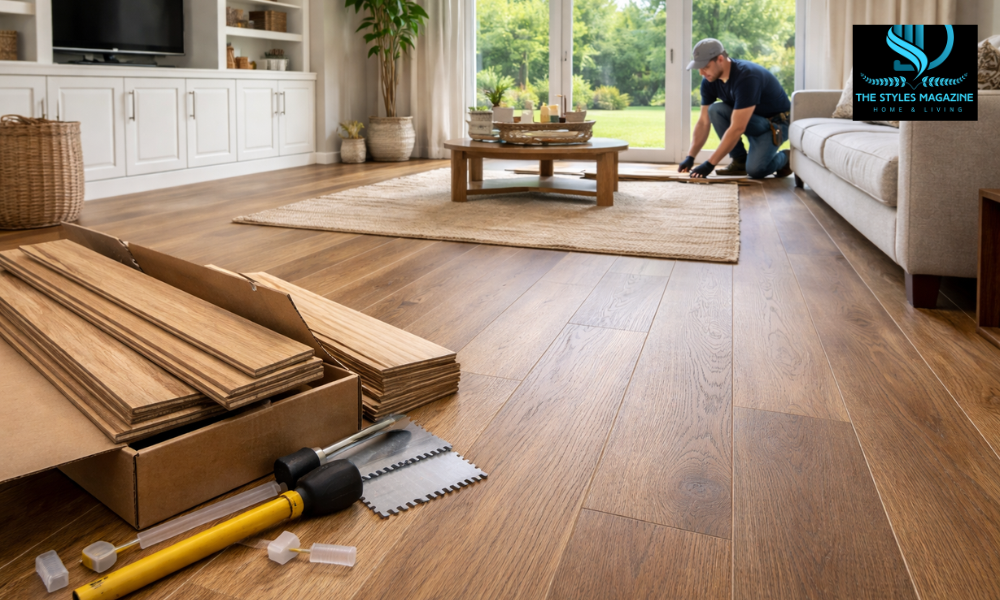
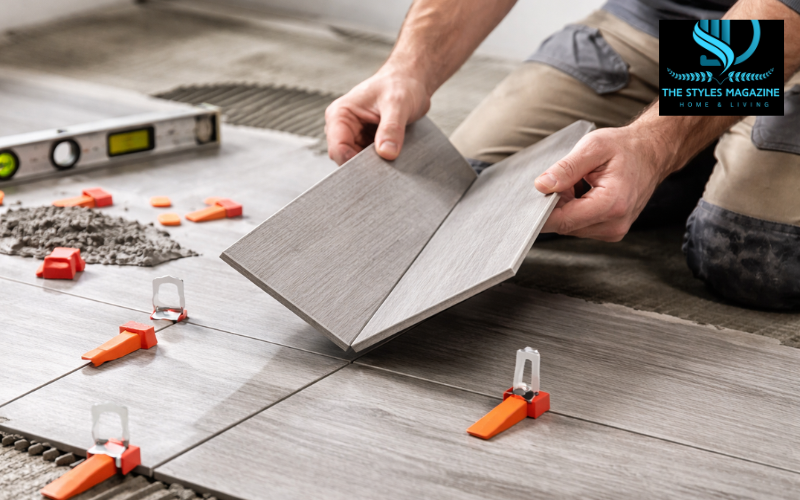
Tile leveling systems have become standard tools in modern installations. These systems use clips and wedges to hold tiles at the same height while the mortar cures. They cannot fully fix severe warping, but they help keep surfaces consistent when variations are minor.
Dry-lay testing is another smart practice. Before applying mortar, professionals place tiles on the floor to check alignment and appearance. This helps identify problematic pieces early and prevents surprises during installation.
Sorting tiles during setup also makes a difference. Slightly bowed tiles can be placed in less noticeable areas, while flatter pieces are used in prominent spaces. This simple step can dramatically improve the final look.
Signs That Tile Warping Is Too Severe to Install
Sometimes tile warping goes beyond what even skilled installers can manage. Visual checks before installation are essential. If tiles rock significantly when placed on a flat surface, or if gaps appear in the middle, the bowing may be excessive.
A common test is placing two tiles face-to-face. If they touch evenly, warping is minimal. If there is a strong gap or rocking motion, the tiles may cause problems during installation.
Excessive lippage is the biggest warning sign. When uneven edges remain visible despite leveling tools and careful work, the tiles may simply be too warped. At this point, continuing installation often leads to disappointment.
In some cases, replacement is the better choice. Returning a flawed batch early is usually easier and less expensive than correcting a finished installation later.
Common Mistakes Homeowners and DIY Installers Make
Many homeowners underestimate how much planning tile installation requires. One common mistake is ignoring warpage before work begins. Even high-quality tiles should be checked carefully before installation starts.
Choosing the wrong layout pattern can also create unnecessary problems. A pattern that looks attractive in photos may emphasize warping in real life, especially with long plank tiles.
Another misconception is that grout will hide major issues. While grout can soften small differences, it cannot correct severe lippage. Relying on grout to fix uneven tiles usually leads to poor results.
Installing over an uneven surface is perhaps the most serious mistake. No installation technique can fully compensate for a floor or wall that is not flat. Preparation always comes before placement.
Conclusion
So, how much tile warping can a tiler work with? In reality, professionals can handle minor bowing successfully when the tiles fall within normal manufacturing ranges and the installation is carefully planned. Small variations are common and often manageable with the right tools, layouts, and experience.
The key is balancing industry standards with practical skill. Even if a tile technically meets manufacturing guidelines, visual results still matter. Professional tilers focus not only on rules but also on how the finished surface looks and feels.
In the end, tiles with slight warping can usually be installed without major issues, especially when proper preparation and techniques are used. But when bowing becomes excessive and lippage cannot be controlled, replacement is the smarter choice. Understanding these limits helps homeowners and installers alike achieve a clean, lasting result with confidence.
FAQs
How Much Tile Warping Is Usually Acceptable?
Minor warping is normal, but most tilers can comfortably work with slight bowing that does not create visible lippage.
Can A Professional Tiler Fix Warped Tiles During Installation?
A tiler can reduce the effect of small warping using leveling systems and proper layout, but severe warping cannot be fully fixed.
Are Large Format Tiles More Likely To Warp?
Yes, larger and longer tiles often show more bowing because of their size and manufacturing process.
Does Grout Hide Tile Warping?
Grout can help reduce the visual effect of small differences, but it cannot hide major uneven edges.
When Should Warped Tiles Be Replaced?
If tiles create noticeable lippage or fail basic flatness checks before installation, replacing them is usually the best option.
Disclaimer: This article is for informational and educational purposes only. Tile warping tolerance can vary depending on tile type, manufacturer standards, and site conditions. Always consult a qualified professional tiler or flooring specialist before making final installation decisions. Industry standards and best practices may change over time, so verify requirements for your specific project.
Loved Reading This? Discover More Exclusive Stories And Updates At The Styles Magazine!