If you are wondering how much dose it cost to renovate an apartment, you are not alone. Apartment renovation is one of the most common projects homeowners and property investors take on, whether they want to improve comfort, increase property value, or simply give an older space a fresh new look. Renovating an apartment can mean anything from repainting walls and updating flooring to a complete transformation that changes the layout, wiring, and plumbing.
One of the biggest surprises for most people is how wide the price range can be. Two apartments with the same size can have very different renovation costs depending on the level of work, the materials used, and even the building rules. Some projects stay simple and affordable, while others grow into major investments because of structural changes or premium finishes.
This guide explains how much it costs to renovate an apartment in 2026 using clear language and realistic expectations. You will learn average pricing, how renovation tiers work, where the biggest expenses usually appear, and how to plan a budget that feels manageable instead of stressful. By the end, you should have a practical understanding of what to expect before starting your own project.
Average Apartment Renovation Cost in 2026
When discussing apartment renovation costs, professionals usually talk in terms of cost per square foot. In 2026, most apartment renovations fall between about $25 and $150 per square foot, but luxury projects in large cities can exceed that range. The final cost depends heavily on how extensive the renovation is and what level of finishes you choose.
For a small apartment around 500 square feet, a simple cosmetic update might cost roughly $12,000 to $30,000. This type of renovation often includes painting, new flooring, and lighting upgrades. A mid-range renovation for the same space could push the total closer to $40,000 or more if kitchens and bathrooms are updated.
For a larger 1,000-square-foot apartment, cosmetic upgrades may start around $25,000 to $60,000. A full renovation involving layout changes and premium finishes can easily reach $120,000 to $150,000 or beyond. These numbers help illustrate why it is important to clearly define the scope of work before setting expectations.
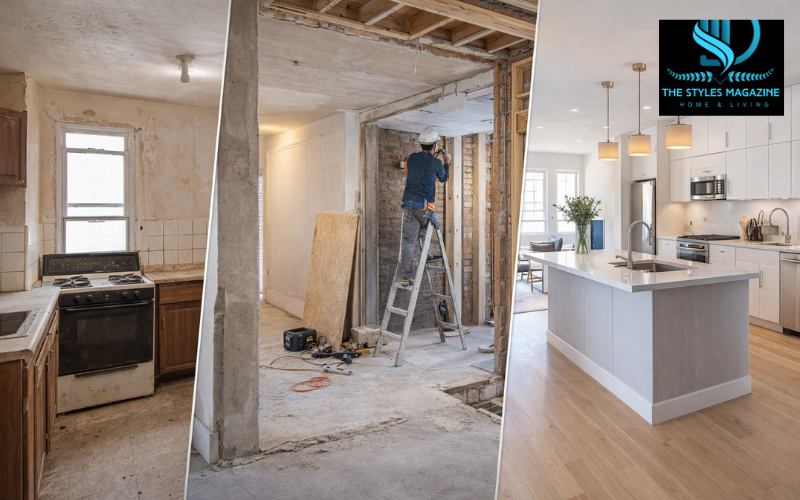
The difference between basic updates and full renovations is significant. Basic upgrades improve appearance without changing structure. Full renovations, often called “gut renovations,” involve removing walls, replacing systems, and rebuilding large parts of the interior. Understanding this difference helps answer the core question of how much it costs to renovate an apartment, because the scope drives the budget more than anything else.
Renovation Cost Tiers Explained
Apartment renovations are often divided into tiers to make budgeting easier. Each level reflects a different balance between cost, effort, and visual impact.
A cosmetic refresh is the most affordable option. This level focuses on surface improvements such as fresh paint, updated fixtures, new flooring, and minor repairs. It is ideal for homeowners who want a cleaner, modern appearance without major construction. These projects usually stay on the lower end of the price range and can often be completed relatively quickly.
Mid-range renovations are more involved. They may include semi-custom cabinets, updated kitchens with stone countertops, new appliances, and partial bathroom remodeling. The goal here is improved functionality alongside style. Many homeowners choose this level because it provides noticeable results without reaching luxury-level prices.
High-end or full gut renovations sit at the top of the pricing scale. In this case, the apartment may be stripped back to its basic structure before being rebuilt. Plumbing or electrical lines might be moved, walls may be relocated, and custom finishes are often installed. This type of project delivers dramatic results but requires careful planning and a larger budget.
Knowing which tier fits your goals is one of the most important steps in estimating how much it costs to renovate an apartment, because each tier changes both time and financial requirements.
Cost Breakdown by Major Areas of an Apartment
Not every room costs the same to renovate. Some areas require more specialized labor and materials, which makes them more expensive.
The kitchen is usually the costliest part of an apartment renovation. Cabinets, countertops, appliances, and plumbing all add up quickly. A basic kitchen update might start around $15,000, while high-end custom designs can easily exceed $50,000 or more. Because kitchens combine design and functionality, homeowners often allocate a large portion of their budget here.
Bathrooms also represent a major expense. Even small bathrooms can be costly because of waterproofing, plumbing, and tile installation. On average, bathroom renovations range from $6,000 to $25,000, with luxury upgrades costing more. Features like walk-in showers, custom vanities, or heated flooring increase the price further.
Living rooms and bedrooms are generally more budget-friendly. Costs in these areas usually come from painting, lighting, flooring, and occasionally window replacements. Depending on the level of work, these spaces may cost between a few thousand dollars and around $12,000 for larger upgrades.
Flooring, lighting, and finishing details tie everything together. While each individual change may seem small, they add up across the entire apartment. Choosing durable materials can increase upfront costs but reduce long-term maintenance expenses.
Main Factors That Influence Apartment Renovation Costs
Several key factors determine the final renovation price, and understanding them helps avoid surprises.
Labor often makes up the largest portion of the budget, sometimes accounting for 40 to 60 percent of total costs. Skilled contractors, electricians, plumbers, and installers each contribute to the final expense. General contractors typically charge an additional management fee, which covers coordination and oversight.
Material selection also has a major effect. Simple finishes keep costs moderate, while custom cabinetry, stone surfaces, and high-end appliances quickly increase spending. Even small design choices, like tile type or hardware quality, can shift the budget significantly.
Structural or layout changes are another major driver. Moving walls, relocating plumbing, or upgrading electrical systems requires permits and specialized professionals. These changes increase both cost and renovation time.
Building rules, permits, and approvals are especially important in apartment buildings. Many condos and co-op buildings require board approval and strict working hours. Permit costs vary but can add hundreds or thousands of dollars to a project.
Unexpected repairs are common, particularly in older buildings. Hidden water damage, outdated wiring, or uneven floors often appear once construction begins. That is why experts recommend including a contingency fund to handle surprises without financial stress.
Cost Per Square Foot: How to Estimate Your Budget Accurately
Cost per square foot is a popular way to estimate renovation budgets because it provides a simple starting point. By multiplying the apartment size by an estimated rate, homeowners can create a rough idea of total cost before getting contractor quotes.
For example, if a 900-square-foot apartment is renovated at $60 per square foot, the estimated cost would be about $54,000. If the renovation is more extensive at $120 per square foot, the budget doubles to approximately $108,000. These calculations help homeowners quickly understand how different renovation tiers affect pricing.
However, this method is only an estimate. Kitchens and bathrooms cost more than bedrooms, so apartments with multiple wet areas may exceed average rates. Custom designs and building restrictions can also raise the final cost beyond simple calculations.
A common mistake homeowners make is assuming every square foot costs the same. Another is forgetting to include additional expenses like permits, design fees, and temporary living arrangements. Using cost-per-square-foot estimates as a guide rather than a fixed rule leads to more realistic planning.
Regional Price Differences and Urban vs. Secondary Markets
Location plays a big role in answering the question of how much it costs to renovate an apartment. Renovations in large metropolitan areas are generally more expensive due to higher labor rates and stricter building regulations.
Cities like New York or San Francisco often see renovation costs starting at higher levels because of complex building logistics. Contractors may need special insurance, elevators must be reserved, and working hours are limited. These factors increase both time and cost.
In secondary markets or smaller cities, labor is often more affordable and regulations may be less restrictive. While materials might cost roughly the same nationwide, lower labor rates can significantly reduce total renovation budgets.
Understanding market differences helps homeowners set realistic expectations based on their location rather than relying on national averages alone. What feels expensive in one city may actually be standard in another.
Hidden Costs Most Apartment Owners Overlook
Many renovation budgets go over plan because of hidden expenses that are easy to forget at the beginning.
Permit and inspection fees are a common example. Even moderate renovations may require official approvals, which can add unexpected costs. These fees are necessary to ensure work meets building codes and safety standards.
Temporary housing or storage costs can also become a factor, especially during full renovations. If the apartment becomes unlivable during construction, homeowners may need short-term accommodation or storage units for furniture.
Older apartments sometimes require upgrades to plumbing or electrical systems to meet modern standards. These upgrades are not always visible during planning but may be mandatory once work begins.
Delivery, waste disposal, and building access fees are another overlooked category. Some buildings charge fees for elevator use or require protective coverings in common areas. Individually these costs may seem small, but together they can add a noticeable amount to the final bill.
How to Plan a Realistic Apartment Renovation Budget
Planning is the key to a successful renovation. Before starting, homeowners should decide which improvements matter most and which are optional. Clear priorities help control costs and prevent overspending.
Balancing quality and affordability is also important. Choosing durable materials in high-use areas while saving on decorative items can create a smart middle ground. Not every detail needs to be luxury-level to achieve a polished result.
Creating a contingency fund is essential. Setting aside about 10 to 20 percent of the total budget provides protection against unexpected repairs or price increases. Without this safety cushion, even small surprises can cause stress.
Working closely with contractors and discussing costs openly helps avoid misunderstandings. Detailed quotes and clear expectations reduce the chance of unexpected charges later. Homeowners who stay involved and informed usually have smoother experiences overall.
Conclusion: Planning an Apartment Renovation with Clear Cost Expectations
Understanding how much it costs to renovate an apartment starts with recognizing that every project is unique. Costs depend on size, renovation level, material choices, and location, which is why prices can vary so widely. From simple cosmetic updates to full gut renovations, each option comes with its own benefits and budget requirements.
The best approach is to plan carefully, set clear priorities, and create a realistic financial plan before construction begins. When expectations match the scope of the project, renovations become less stressful and more rewarding.
Whether you are updating a small studio or transforming a larger apartment, thoughtful planning and informed decisions will help you stay on budget and achieve results you can enjoy for years to come.
FAQs
How Much Does It Cost To Renovate An Apartment On Average?
Most apartment renovations cost between $25 and $150 per square foot, depending on the renovation level and materials.
What Is The Cheapest Way To Renovate An Apartment?
A cosmetic refresh — such as painting, new flooring, and updated lighting — is usually the most affordable option.
Which Area Of An Apartment Is The Most Expensive To Renovate?
Kitchens and bathrooms typically cost the most because they require plumbing, electrical work, and specialized labor.
How Long Does An Apartment Renovation Usually Take?
Simple renovations may take a few weeks, while full renovations can take several months depending on the scope.
Should I Keep Extra Money In My Renovation Budget?
Yes, experts recommend keeping 10–20% extra for unexpected expenses like repairs or hidden issues.
Disclaimer: The information provided in this article is for general informational purposes only. Renovation costs may vary depending on location, apartment size, contractor pricing, material quality, and market conditions. Prices mentioned are average estimates and should not be considered exact quotes. Always consult qualified professionals and obtain detailed estimates before starting any apartment renovation project.
Loved Reading This? Discover More Exclusive Stories And Updates At The Styles Magazine!