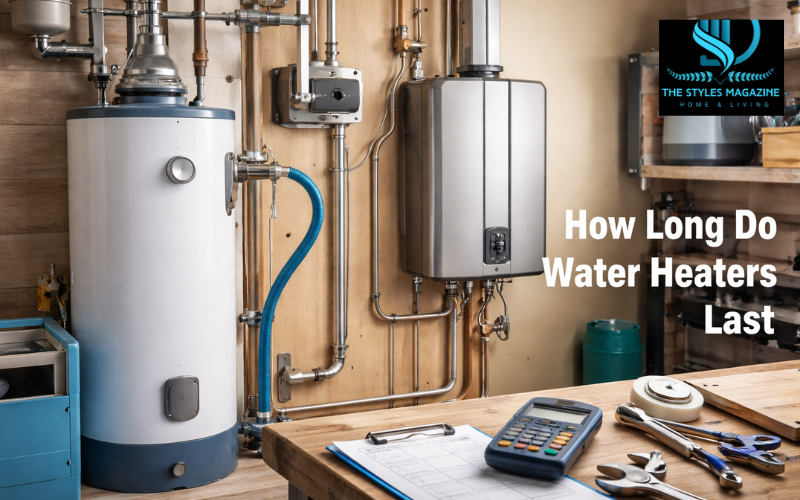
Many homeowners ask the same question at some point: how long do water heaters last? The answer is not always simple, because it depends on the type of water heater, how it is used, and how well it is maintained. On average, most traditional tank water heaters last between 8 and 12 years, while modern tankless systems can last 15 to 25 years or even longer.
Understanding the lifespan of a water heater matters because it helps you plan ahead. A failing unit can lead to unexpected repairs, higher energy bills, or even water damage in your home. Knowing when your system is nearing the end of its life allows you to replace it before problems become serious.
There are different types of water heaters available today, including traditional storage tank models, tankless systems, electric units, and gas-powered heaters. Each one works differently, and that affects how long it lasts.
In this guide, you will learn what impacts a water heater’s lifespan, how different types compare, what signs to watch for, and how to make your system last as long as possible.
Water Heater Lifespan Overview
| Type of Water Heater | Average Lifespan | Key Reason for Lifespan |
| Traditional Tank | 8–12 years | Constant water storage causes corrosion |
| Electric Tank | 10–15 years | Fewer internal components |
| Gas Tank | 8–12 years | Combustion adds wear and tear |
| Tankless (On-Demand) | 15–25 years | No water storage, less corrosion |
| Heat Pump (Hybrid) | 13–15 years | Moderate usage and efficiency |
| Solar Water Heater | 10–25 years | Depends on climate and maintenance |
Average Lifespan of Water Heaters by Type
The lifespan of a water heater depends mainly on its design and how it operates. Traditional tank water heaters are the most common. These usually last between 8 and 12 years because they store water continuously, which leads to wear over time.
Tankless water heaters, also known as on-demand systems, tend to last longer. Since they heat water only when needed and do not store large amounts of water, they avoid many of the problems that affect tank models. Most tankless units can last 15 to 25 years with proper care.
Heat pump or hybrid water heaters usually fall somewhere in the middle, often lasting around 13 to 15 years. These systems use electricity more efficiently but still have components that wear out over time.
Solar water heaters can last a long time, sometimes up to 20 years or more, but their lifespan depends heavily on climate conditions and maintenance of the solar panels.
The reason these systems differ so much in lifespan is simple. Storage tanks are always exposed to water, heat, and pressure, which increases the chance of corrosion and damage. Tankless systems avoid this constant stress, which helps them last longer.
Electric vs Gas Water Heaters: Which One Lasts Longer
When comparing electric and gas systems, many people want to know which one lasts longer. In general, electric water heaters tend to last slightly longer than gas models.
An electric water heater often lasts between 10 and 15 years. This is because it has fewer moving parts and does not rely on combustion. There is less internal stress, and fewer components can wear out.
A gas water heater usually lasts around 8 to 12 years. Gas systems use burners and produce heat through combustion, which creates more wear over time. This added stress can shorten the lifespan compared to electric models.
However, the difference is not only about lifespan. Gas water heaters often heat water faster, while electric ones are usually simpler and easier to maintain. For long-term use, electric units may offer a slight advantage in durability, but the best choice depends on your home setup and energy preferences.
How Long Do Water Heaters Last in Real Homes
While manufacturers give average lifespan estimates, real-life usage often tells a different story. In actual homes, water heaters may last shorter or longer depending on daily demand.
Homes with larger families tend to use more hot water. This means the water heater cycles more often, which increases wear and tear. As a result, the system may reach the lower end of its lifespan.
For example, if you are using a 50 gallon water heater for a shower in a busy household, it may work harder than expected. Over time, this constant demand can reduce its life to around 8 to 10 years.
On the other hand, a smaller household with lower usage may see the same system last 12 years or more. This shows that real-life conditions play a major role in how long a water heater lasts.
How Hard Water Affects Water Heater Lifespan
Water quality is one of the most important factors that affect lifespan. Hard water, which contains high levels of minerals like calcium and magnesium, can cause serious problems inside a water heater.
Over time, these minerals settle at the bottom of the tank and form a layer of sediment. This buildup makes the heater work harder and reduces its efficiency. It also increases the risk of overheating and damage.
In areas with hard water, water heaters may not last as long. Instead of reaching 10 to 12 years, they might only last 6 to 8 years without proper maintenance.
Common signs of mineral-related problems include strange noises, reduced heating efficiency, and visible buildup when the tank is flushed. Addressing hard water early can make a big difference in extending the lifespan.
Key Factors That Decide How Long a Water Heater Will Last
Several factors work together to determine how long your water heater will last. Water quality is one of the biggest, but it is not the only one.
Maintenance plays a major role. A well-maintained system can last years longer than one that is ignored. Installation quality is also important. A poorly installed unit may face issues from the beginning.
Usage patterns matter as well. A system that runs constantly will wear out faster than one used moderately. Internal corrosion is another key factor, especially in tank models. This is where the anode rod comes in. It helps protect the tank by attracting corrosive elements, but it needs to be replaced over time.
When all these factors are managed properly, the lifespan of a water heater can improve significantly.
Maintenance Tips That Can Extend Water Heater Life
Regular maintenance can make a big difference in how long a water heater lasts. One of the simplest and most effective steps is flushing the tank. Doing this every 6 to 12 months helps remove sediment and keeps the system running smoothly.
Replacing the anode rod is another important step. This small part protects the inside of the tank from rust, and changing it every few years can extend the life of the heater.
It is also helpful to check the pressure relief valve and make sure it is working properly. This ensures safety and prevents pressure-related damage.
Simple yearly checks, such as inspecting for leaks or unusual sounds, can help catch small problems before they turn into major issues.
Signs Your Water Heater Is Near the End of Its Life
As a water heater gets older, it often shows clear warning signs. One of the most common signs is rusty or discolored water. This can indicate that the inside of the tank is starting to corrode.
Strange noises like popping or banging sounds are also a warning. These sounds usually come from hardened sediment inside the tank.
Leaks around the base of the unit are a serious sign that the tank may be failing. Even small amounts of moisture should not be ignored.
Another sign is inconsistent temperature. If the water takes longer to heat or does not stay hot, the system may be nearing the end of its lifespan.
When to Repair vs Replace a Water Heater
Deciding whether to repair or replace a water heater depends on several factors. If the problem is minor and the unit is still relatively new, a repair may be the best option.
However, if the system is over 10 years old and showing signs of failure, replacement is often the smarter choice. Repairs on older units can become expensive and may only provide a temporary fix.
Looking at the cost over time can help make the decision easier. In many cases, replacing an old water heater can save money in the long run by improving efficiency and reducing repair costs.
Water Heater Replacement Cost and What to Expect
The cost of replacing a water heater can vary depending on the type and size of the unit. On average, replacement costs can range from a few hundred to several thousand dollars.
Factors that affect pricing include the type of heater, installation complexity, and labor costs. Tankless systems usually cost more upfront, while traditional tank models are more affordable.
It is important to plan your budget carefully and consider both the initial cost and long-term savings. A more efficient system may cost more at first but can reduce energy bills over time.
How Much Do Water Heaters Cost by Type
Different types of water heaters come with different price ranges. Traditional tank heaters are generally the most affordable option. Tankless systems, while more expensive, offer longer lifespan and better efficiency.
Electric models are usually cheaper to install, while gas systems may have higher upfront costs due to additional components.
When comparing costs, it is important to look beyond the purchase price. Long-term efficiency, maintenance needs, and lifespan all play a role in overall value.
Quick Estimate: Using a Water Heater Lifespan Calculator
A water heater lifespan calculator can help estimate how much life your system has left. These tools consider factors like age, usage, and maintenance history.
By entering basic information, you can get an idea of when your water heater may need replacement. However, these estimates are not always exact.
Unexpected factors like water quality or sudden damage can change the actual lifespan. Still, these tools can be useful for planning and avoiding surprises.
Choosing a Water Heater That Lasts Longer
If you are planning to buy a new unit, choosing the right one can make a big difference. Look for models with strong build quality and durable materials.
Reliable brands and good warranty coverage can also give you confidence in your investment. It is important to choose a system that matches your home’s needs.
A water heater that is too small or too large for your usage may not perform well and could wear out faster. Taking the time to choose carefully can help you get the most out of your system.
Conclusion: Making Your Water Heater Last as Long as Possible
So, how long do water heaters last? The answer depends on many factors, but with proper care, most systems can serve you well for many years. Tank models usually last around a decade, while tankless systems can last much longer.
Regular maintenance, good water quality, and smart usage can all help extend the life of your water heater. Paying attention to warning signs and planning ahead can also prevent unexpected problems.
By understanding how your system works and taking simple steps to maintain it, you can make sure your water heater lasts as long as possible and continues to provide reliable hot water for your home.
FAQs
How Long Do Water Heaters Last On Average?
Most water heaters last 8–12 years, while tankless models can last 15–25 years depending on maintenance and usage.
How Long Does An Electric Water Heater Last?
An electric water heater usually lasts 10–15 years because it has fewer components and less internal stress.
How Long Does A Gas Water Heater Last?
Gas water heaters typically last 8–12 years due to the extra wear caused by the combustion process.
Do Water Heaters Last Longer With Regular Maintenance?
Yes, regular maintenance like flushing and replacing parts can extend a water heater’s life by several years.
How Long Do Water Heaters Last With Hard Water?
With hard water, lifespan can drop to 6–8 years if not maintained, due to mineral buildup inside the tank.
Enjoyed it? Find more exclusive content on The Styles Magazine.
Disclaimer: This content is for general informational purposes only. Actual water heater lifespan may vary based on usage, installation, and local conditions. For specific issues, always consult a qualified professional.