The Horstmann Blue Atlas Cedar is a distinctive evergreen tree known for its elegant structure and beautiful blue foliage. This unique conifer has become a popular choice for homeowners, gardeners, and landscape designers who want to add visual interest to outdoor spaces without planting a large tree. Its compact size and sculptural growth habit make it suitable for many types of gardens, including small residential landscapes, patios, and decorative courtyards.
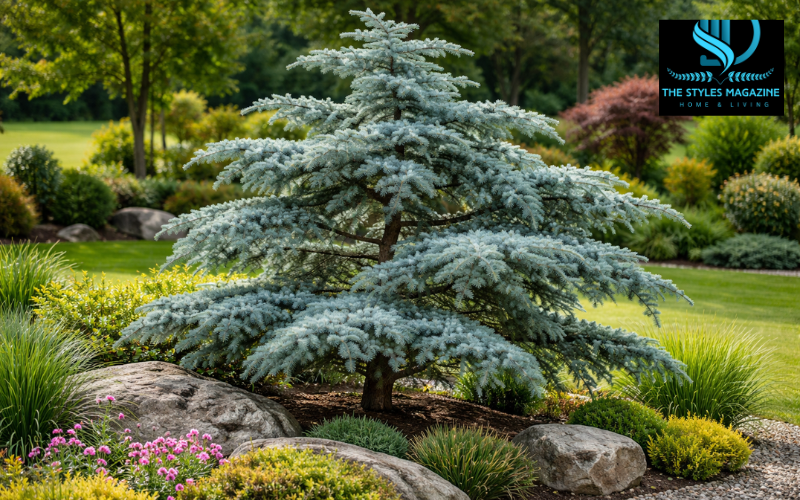
One of the main reasons the Horstmann Blue Atlas Cedar stands out is its eye-catching blue needles. The soft silver-blue color adds a cool tone to garden designs and creates contrast with green shrubs and flowering plants. In addition to its color, the tree’s naturally artistic shape gives it the appearance of a living sculpture, making it a natural focal point in landscape design.
Another advantage of this tree is its manageable size. Unlike the traditional Blue Atlas Cedar, which can grow extremely large, the Horstmann variety grows slowly and remains relatively compact. This allows gardeners to enjoy the dramatic beauty of a cedar tree without worrying about it outgrowing the space.
In this guide, you will learn everything you need to know about the Horstmann Blue Atlas Cedar, including its characteristics, growth rate, ideal growing conditions, planting tips, and long-term care. By understanding how this tree grows and what it needs to thrive, you can decide whether it is the right addition to your garden or landscape.
What Is the Horstmann Blue Atlas Cedar
The Horstmann Blue Atlas Cedar is a unique cultivar of the Blue Atlas Cedar tree. Its botanical name is Cedrus atlantica ‘Horstmann’, and it belongs to the pine family. This evergreen tree originates from the Atlas Mountains of North Africa, where the parent species naturally grows in mountainous regions with dry summers and cool winters.
What makes this cultivar special is its compact size and unusual branching pattern. The standard Blue Atlas Cedar can grow into a very large tree, sometimes reaching more than 60 feet in height. In contrast, the Horstmann variety grows much more slowly and remains significantly smaller. Because of this difference, it is often chosen for gardens where space is limited.
Another notable feature is its irregular and artistic growth habit. Instead of growing in a perfectly symmetrical shape, the Horstmann Blue Atlas Cedar develops sweeping branches that create an open, sculptural form. This natural structure gives the tree a dramatic appearance even when it is young.
Gardeners often select this cultivar because it combines beauty with practicality. It offers the same stunning blue foliage that the larger Blue Atlas Cedar is known for, but in a more manageable size. This makes it ideal for homeowners who want a striking evergreen tree that will not overwhelm their landscape.
Key Characteristics of Horstmann Blue Atlas Cedar
The Horstmann Blue Atlas Cedar is best known for its striking appearance and distinctive structure. Its most recognizable feature is the powder-blue to silver-blue needles that cover the branches throughout the year. These needles grow in clusters and maintain their color in all seasons, which helps the tree stand out even during winter when many other plants lose their leaves.
In terms of size, this tree typically grows between 8 and 15 feet tall when fully mature. Its width usually ranges from about 5 to 10 feet, depending on growing conditions and the surrounding space. Because it grows slowly, it may take many years to reach its full size. In the first decade, many trees grow to around 8 to 10 feet tall.
The texture of the needles is another attractive characteristic. They are short, dense, and slightly soft to the touch, giving the branches a full appearance. The color of new growth often appears slightly lighter or blue-green before maturing into the familiar silvery blue tone.
The natural shape of the Horstmann Blue Atlas Cedar is often described as irregular or loosely pyramidal. Its branches extend outward in layered tiers and may curve slightly downward or upward, creating an elegant and artistic silhouette. This unusual structure is one of the main reasons gardeners refer to the tree as a “living sculpture.”
Growth Rate and Mature Size
The Horstmann Blue Atlas Cedar is considered a slow-growing tree. On average, it adds around 6 to 12 inches of new growth each year. This slow growth rate is one of the reasons the tree is suitable for residential landscapes, as it remains manageable for many years without requiring constant pruning or maintenance.
After several years of growth, the tree gradually develops its signature shape. During the first five to ten years, it often reaches around 8 to 10 feet in height while still maintaining a relatively narrow width. As it continues to mature, it can eventually reach heights between 10 and 15 feet.
In landscape settings, the mature size of the Horstmann Blue Atlas Cedar depends on several factors. Climate, soil quality, sunlight exposure, and watering practices all play a role in how the tree develops. Trees planted in well-drained soil with full sun typically grow healthier and develop stronger branching structures.
Although the tree grows slowly, its unique shape becomes more pronounced with age. The branches form graceful layers that give the tree an elegant architectural presence. Because of this, many landscape designers use it as a permanent focal point in garden layouts.
Ideal Growing Conditions for Horstmann Blue Atlas Cedar
For the Horstmann Blue Atlas Cedar to thrive, it requires certain growing conditions that mimic its natural environment. One of the most important requirements is sunlight. This tree grows best in full sun, meaning it should receive at least six hours of direct sunlight each day. Adequate sunlight helps maintain the vibrant blue color of the needles and supports healthy growth.
Soil conditions are equally important. The tree prefers well-drained soil and does not tolerate standing water. Heavy soils that remain wet for long periods can lead to root problems, which may weaken the tree. Sandy or loamy soils that allow water to drain easily are generally ideal.
In terms of climate, the Horstmann Blue Atlas Cedar is well adapted to regions with moderate temperatures and dry summers. It performs best in USDA hardiness zones 6 through 9, where winters are not extremely harsh and summers provide plenty of sunlight.
Protection from strong winter winds can also help the tree remain healthy. While it is relatively hardy once established, young trees may benefit from planting locations that offer some natural shelter from extreme weather.
Planting Horstmann Blue Atlas Cedar Successfully
Planting the Horstmann Blue Atlas Cedar correctly is essential for its long-term health. The first step is choosing a suitable location in the garden. The planting site should provide full sunlight and enough space for the tree to grow without crowding nearby plants or structures.
Spring and early autumn are often considered the best times to plant this tree. During these seasons, temperatures are moderate and the soil retains enough moisture to support root development. Planting during these periods gives the tree time to establish its roots before facing extreme summer heat or winter cold.
When planting, the hole should be about twice as wide as the root ball but no deeper than the root system itself. This allows the roots to spread easily into the surrounding soil. After placing the tree in the hole, the soil should be gently filled back in and lightly firmed to remove air pockets.
Spacing is also an important consideration. Even though the Horstmann Blue Atlas Cedar is smaller than many other cedars, it still requires room to grow. Allowing several feet of space around the tree ensures proper air circulation and prevents overcrowding as the branches expand.
Watering, Soil, and Fertilization Needs
During the early stages of growth, the Horstmann Blue Atlas Cedar requires consistent watering to establish a strong root system. Newly planted trees should receive deep watering on a regular basis, especially during the first two growing seasons. This encourages the roots to grow deeper into the soil, which improves drought resistance later on.
Once the tree becomes established, its watering needs decrease significantly. Mature trees are relatively drought tolerant and typically require less frequent watering. However, occasional deep watering during extended dry periods can help maintain healthy growth.
The tree adapts to a wide range of soil types as long as drainage is good. It generally grows well in soils with a pH between 5.5 and 8.0, which means it can tolerate slightly acidic to mildly alkaline conditions.
Fertilization is usually minimal for this tree. In most cases, healthy garden soil provides enough nutrients for normal growth. If the soil is particularly poor, a balanced slow-release fertilizer applied in early spring may help support development. However, excessive fertilization should be avoided because it can lead to weak growth.
Maintenance and Pruning Tips
One reason many gardeners appreciate the Horstmann Blue Atlas Cedar is its low-maintenance nature. The tree naturally develops an attractive form without the need for frequent pruning or shaping.
Routine care mainly involves monitoring the tree for damaged or dead branches. If such branches appear, they can be carefully removed during the dormant season, usually in late winter. Removing these branches helps maintain the tree’s health and prevents potential pest or disease issues.
Pruning is rarely required for aesthetic purposes because the tree’s irregular structure is part of its natural beauty. Over-pruning can disrupt this unique shape and should generally be avoided.
Basic care practices such as mulching around the base of the tree and maintaining proper watering can help keep the Horstmann Blue Atlas Cedar healthy for many years. A layer of mulch also helps retain soil moisture and regulate temperature around the roots.
Landscaping Uses for Horstmann Blue Atlas Cedar
The Horstmann Blue Atlas Cedar is widely valued in landscaping because of its architectural appearance and striking color. Its distinctive form naturally draws attention, making it an excellent focal point in garden designs.
In many landscapes, the tree is placed in a prominent position where its sculptural branches can be fully appreciated. Rock gardens and decorative courtyards are particularly suitable locations because the tree’s structure complements stone features and open spaces.
Another popular use is growing the tree in large containers or patio pots. Because it grows slowly and remains relatively compact, it can thrive in spacious containers for many years. This allows homeowners with limited garden space to enjoy its beauty on patios or terraces.
Landscape designers often pair the Horstmann Blue Atlas Cedar with ornamental grasses, flowering shrubs, or ground covers. The contrast between the blue needles and surrounding greenery creates a balanced and visually appealing landscape composition.
Wildlife and Environmental Benefits
Beyond its visual appeal, the Horstmann Blue Atlas Cedar also provides several environmental benefits. The dense evergreen branches offer shelter for small birds and wildlife throughout the year. Birds may use the branches for nesting or protection from predators and harsh weather.
Another advantage is its natural resistance to deer browsing. In areas where deer commonly damage garden plants, this tree is often a safer option because deer tend to avoid it.
The tree also contributes to year-round landscape interest. Unlike deciduous plants that lose their leaves during winter, the Horstmann Blue Atlas Cedar maintains its blue foliage throughout the seasons. This helps keep gardens visually attractive even during colder months when other plants appear dormant.
Common Problems and Growing Challenges
Although the Horstmann Blue Atlas Cedar is generally hardy and easy to grow, it can face certain challenges if conditions are not ideal. One of the most common issues is root rot caused by poor drainage. When soil remains waterlogged for extended periods, the roots may begin to decay, which can weaken or kill the tree.
Environmental stress can also affect growth. Strong winds, prolonged drought, or extremely harsh winters may cause needle browning or minor branch damage. Providing appropriate planting locations and maintaining proper watering can help reduce these risks.
Preventive care is the best way to avoid most problems. Ensuring good soil drainage, providing adequate sunlight, and monitoring the tree for signs of stress can keep it healthy and strong. With proper care, the Horstmann Blue Atlas Cedar can thrive for many years in a landscape.
Conclusion
The Horstmann Blue Atlas Cedar is a remarkable evergreen tree that combines beauty, structure, and practicality. Its striking blue foliage, graceful branching pattern, and manageable size make it a valuable addition to many types of landscapes.
Unlike larger cedar varieties, this cultivar grows slowly and remains compact, which allows gardeners to enjoy the dramatic look of a cedar tree without needing a large space. Its low maintenance requirements and natural resistance to certain pests also make it a practical choice for homeowners and landscape designers.
By understanding its growing conditions, planting needs, and basic care requirements, gardeners can successfully grow and maintain a healthy Horstmann Blue Atlas Cedar for years to come. Whether used as a focal point in a garden or as part of a carefully planned landscape design, this distinctive evergreen tree continues to be a favorite choice for adding year-round beauty to outdoor spaces.
FAQs
How Fast Does The Horstmann Blue Atlas Cedar Grow?
The Horstmann Blue Atlas Cedar grows slowly, typically adding about 6 to 12 inches of new growth per year. This slow growth makes it easier to manage in residential landscapes.
How Big Does A Horstmann Blue Atlas Cedar Get?
At maturity, this tree usually reaches around 8 to 15 feet in height and about 5 to 10 feet in width, depending on growing conditions.
Does The Horstmann Blue Atlas Cedar Need Full Sun?
Yes, this tree grows best in full sun and should receive at least six hours of direct sunlight each day to maintain healthy growth and vibrant blue foliage.
Can Horstmann Blue Atlas Cedar Grow In Containers?
Yes, because of its slow growth and compact size, it can be grown in large containers or patio pots, especially during its early years.
Is Horstmann Blue Atlas Cedar Deer Resistant?
The tree is generally considered deer resistant, which makes it a good option for gardens in areas where deer frequently browse plants.
Disclaimer: The information provided in this article about the Horstmann Blue Atlas Cedar is intended for general educational and informational purposes only. While every effort has been made to ensure the accuracy of the content, growing conditions, plant performance, and care requirements may vary depending on climate, soil conditions, and local environmental factors. Readers are encouraged to consult local gardening experts, horticultural professionals, or extension services for advice specific to their region before planting or caring for any tree or plant species.
Loved Reading This? Discover More Exclusive Stories And Updates At The Styles Magazine!