Many people search for Goodlawns Lawn Care because they want a lawn that looks healthy without spending every weekend fixing problems. Some homeowners are looking for a reliable service they can trust, while others simply want faster results than DIY care has given them. A clean, green lawn adds comfort to a home and creates a strong first impression, but maintaining it consistently is harder than it seems. Grass growth changes with the weather, weeds appear unexpectedly, and small mistakes in mowing or watering can lead to bigger issues later.
This guide is designed to help you fully understand what Goodlawns Lawn Care usually includes, what extra services may cost more, and how professionals evaluate lawns before creating a maintenance plan. You will also learn how pricing works, what questions to ask before hiring a company, and how to decide whether professional help or DIY care makes more sense for your situation. By the end, you should feel confident in choosing a plan that keeps your lawn healthy without wasting time or money.
What “Goodlawns Lawn Care” Usually Refers To (and Why It Confuses People)
The phrase Goodlawns Lawn Care is often used like a brand-style term rather than a single fixed company name. That can create confusion because different businesses may use similar names or offer services that sound alike. Some homeowners assume they are looking at the same provider when, in reality, companies may vary widely in service quality, pricing, and what is actually included in a visit. This is why understanding the details behind the name matters more than the name itself.
Before choosing any lawn care provider, it is important to verify the service area to make sure they regularly work in your location. Some companies focus on certain neighborhoods or soil types, which can affect results. You should also confirm what is included in each visit. Some providers only handle mowing and cleanup, while others include treatments such as fertilization or weed control. In addition, ask whether their focus is maintenance-only or a full lawn health program that addresses long-term growth and soil conditions. A simple rule helps here: don’t judge by the name—judge by the plan and the quality of communication.
Quick Service Menu: What Most Goodlawns-Style Companies Offer
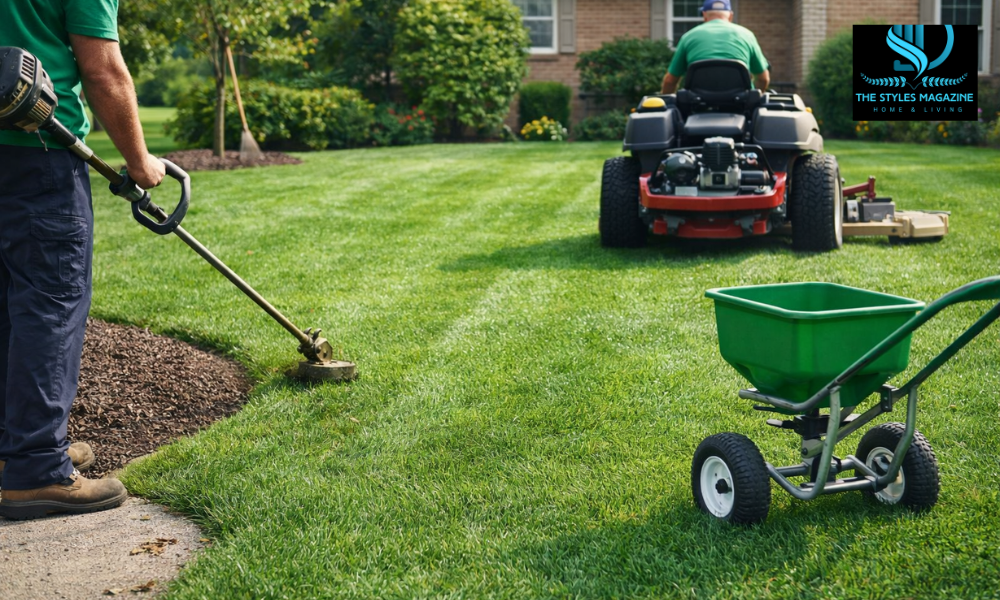
Most lawn care companies following a “Goodlawns” approach provide weekly or biweekly maintenance that includes mowing, trimming around edges, and blowing grass clippings from sidewalks and driveways. This routine maintenance keeps the lawn neat and prevents overgrowth. Proper edging also gives a clean border that instantly improves appearance, even if the lawn is not perfect underneath.
Beyond regular maintenance, many services include lawn health treatments. These often involve scheduled fertilization to support steady growth, weed control programs to prevent invasive plants, and spot treatments when specific areas need attention. Professional companies usually adjust treatment timing based on local climate and seasonal growth patterns instead of following a one-size-fits-all schedule.
Seasonal or one-time services are also common. Aeration helps reduce soil compaction, while overseeding fills in thin areas to create thicker grass. Dethatching or scarifying may be recommended in lawns where old grass buildup prevents water and nutrients from reaching roots. Leaf cleanup is another seasonal job that prevents mold and lawn damage in colder months. Some homeowners also add landscaping services such as mulching garden beds, pruning shrubs, planting flowers, or installing sod for instant lawn renewal. Having multiple services available allows homeowners to create a plan that fits their yard rather than paying for unnecessary work.
What’s Included in a “Standard Visit” (and What Is Usually Extra)
A standard lawn care visit typically includes mowing the grass at the correct height, trimming hard-to-reach edges, and cleaning up clippings from driveways and paths. The goal is to maintain appearance and basic health while keeping the yard tidy. Most companies follow a checklist approach to ensure consistency, but the details can vary.
Common extras often surprise homeowners because they are not always included in the base price. These may include bagging and hauling away grass clippings, handling heavy leaf accumulation, or charging an extra fee for first-time visits when grass is severely overgrown. Hedge trimming and garden bed weeding are also frequently considered additional tasks instead of part of regular lawn maintenance. These extras are normal in the industry, but problems happen when expectations are not clear.
A helpful tip is to ask for a written visit checklist before booking. Seeing exactly what happens during each visit prevents misunderstandings and makes it easier to compare services fairly. A clear checklist also shows that the company has an organized system rather than improvising each time they arrive.
Pricing Factors (Without Fake Numbers)
Lawn care pricing depends on several practical factors, and understanding them helps you evaluate quotes more accurately. Lawn size is the most obvious factor since larger areas require more time and fuel. Growth rate also matters; grass grows faster during certain seasons, which increases workload. Obstacles like fences, trees, playground equipment, or narrow spaces can slow mowing and require extra trimming. Sloped areas or uneven ground also take longer to handle safely.
Edging detail, debris volume, and add-on services influence cost as well. A yard with constant leaf fall or heavy debris requires more cleanup than a simple open lawn. Additional services such as fertilization or weed treatments increase value but also change pricing structure. Instead of focusing only on the total cost, compare what is included in each quote. Two companies may give similar prices, but one may include edging and cleanup while the other charges extra.
A good quote usually reflects realistic labor and consistent quality. A very cheap quote often means something important is skipped, such as proper edging, cleanup, or equipment maintenance. Over time, those missing steps can lead to a lawn that looks worse even though you are paying less upfront.
The “Hire Smart” Checklist (Questions That Reveal Quality Fast)
Choosing the right lawn care provider becomes easier when you ask direct, practical questions. Start by asking what exactly happens during each visit. This clarifies expectations and shows whether the company has a structured routine. Ask if edging is done every time or only occasionally, since consistent edging has a big impact on appearance.
You should also understand how the company handles weather delays. Rain can change scheduling, and reliable providers usually have clear policies for rescheduling without leaving lawns overgrown. Asking about equipment quality is important too. Well-maintained mowers with sharp blades cut grass cleanly, while dull equipment tears grass and causes brown tips.
If treatments are included, ask about child and pet safety, especially how long you should wait before using the lawn again. It is also useful to know what specific weeds or lawn problems they target instead of using general treatments. Finally, ask how communication works. Clear billing, updates through text or email, and simple scheduling systems show professionalism and reduce future stress.
My Real-World Lawn-Care Rules (Experience-Style Tips)
One rule that experienced lawn workers always follow is to never scalp the grass. Cutting too low weakens roots and makes lawns more vulnerable to heat and weeds. Keeping mower blades sharp is equally important because clean cuts heal faster and maintain a healthier appearance. Changing mowing patterns occasionally also prevents soil from compacting in the same direction and keeps grass standing upright.
Watering habits make a bigger difference than many people think. Deep, less frequent watering encourages roots to grow downward, creating stronger grass that handles heat better. Daily light sprinkling may look helpful but often leads to shallow roots and weaker lawns. Weed control works best when approached with prevention in mind. Spot treatments applied early are more effective than aggressive spraying after weeds spread.
Soil condition is a hidden factor that many homeowners overlook. Compacted soil prevents air and nutrients from reaching roots, which leads to thin or patchy grass. Aeration at the right time can dramatically improve lawn health, even when other maintenance practices remain the same. Small habits done consistently usually produce better results than frequent major fixes.
Seasonal Mini-Plan (Spring → Winter)
Spring is the time to clean up debris, set the first mow height correctly, and apply early weed prevention if needed. This season is also ideal for repairing thin areas because grass begins active growth. Starting the season strong makes summer maintenance easier.
During summer, raising mowing height slightly helps protect grass from heat stress. Taller grass shades the soil, reducing water loss. Watering early in the morning is usually more effective than evening watering because it lowers disease risk. Monitoring signs of stress such as discoloration or thinning can help prevent long-term damage.
Fall is often considered the most important season for lawn improvement. Cooler temperatures make it ideal for overseeding, and removing leaves regularly prevents moisture buildup. Root-focused feeding during this period helps grass store energy for winter and return stronger in spring.
In winter, lawn activity slows, but care still matters. Avoid heavy foot traffic on frozen or wet grass to prevent damage. This is also a good time to plan drainage improvements or review what worked well during the year. Planning ahead ensures a smoother start when spring arrives again.
DIY vs Hiring Goodlawns Lawn Care (How to Decide Honestly)
DIY lawn care makes sense when you enjoy working outdoors and can maintain a consistent schedule. If your lawn is already in decent shape and you have the right equipment, doing it yourself can be satisfying and cost-effective. Consistency is the biggest factor in success, as skipping weeks often leads to bigger problems later.
Hiring a professional service makes more sense when recurring issues like weeds, thinning grass, or uneven growth keep returning despite effort. Many people also choose professional help because they want predictable scheduling or simply do not have enough time. Professionals bring experience and equipment that can improve results without constant trial and error.
A hybrid approach works well for many homeowners. For example, you might hire a service for mowing while handling watering or spot weeding yourself. Others prefer the opposite, doing routine mowing but hiring professionals for treatments or seasonal improvements. The right choice depends on time, budget, and how involved you want to be in lawn care.
Conclusion
The key to successful Goodlawns Lawn Care is understanding what is included, choosing services that match your lawn’s needs, and following seasonal timing rather than guessing. A healthy lawn comes from consistent maintenance, clear expectations, and attention to basics like mowing height, watering habits, and soil health. When you understand how providers structure their services, it becomes easier to compare options and avoid surprises.
Whether you decide to handle your lawn yourself or work with a professional, asking smart questions and keeping a simple, realistic plan will always lead to better results. Focus on steady improvement instead of quick fixes, and your lawn will gradually become easier to manage and more enjoyable throughout the year.
FAQs
Q1: What Is Included In Goodlawns Lawn Care Services?
A: Most services include mowing, trimming, edging, and cleanup, with optional treatments like fertilization, weed control, and seasonal lawn improvements.
Q2: How Often Should Lawn Care Be Scheduled?
A: Weekly or biweekly visits are common, depending on grass growth, season, and lawn condition.
Q3: Does Goodlawns Lawn Care Include Weed Control?
A: Some plans include weed control and fertilization, while others offer them as optional add-ons, so always confirm before booking.
Q4: Is Professional Lawn Care Better Than DIY?
A: It depends on your time and experience. Professionals help maintain consistency, while DIY works well if you can follow a regular routine.
Q5: How Can I Choose The Right Lawn Care Company?
A: Compare what is included in the service, ask about visit checklists, equipment quality, communication, and pricing clarity.
Disclaimer: This article is for general informational and educational purposes only. Lawn care practices may vary depending on climate, soil type, and local conditions. Always confirm service details, treatment safety, and recommendations directly with your chosen lawn care provider before making decisions for your property.
Loved Reading This? Discover More Exclusive Stories And Updates At The Styles Magazine!