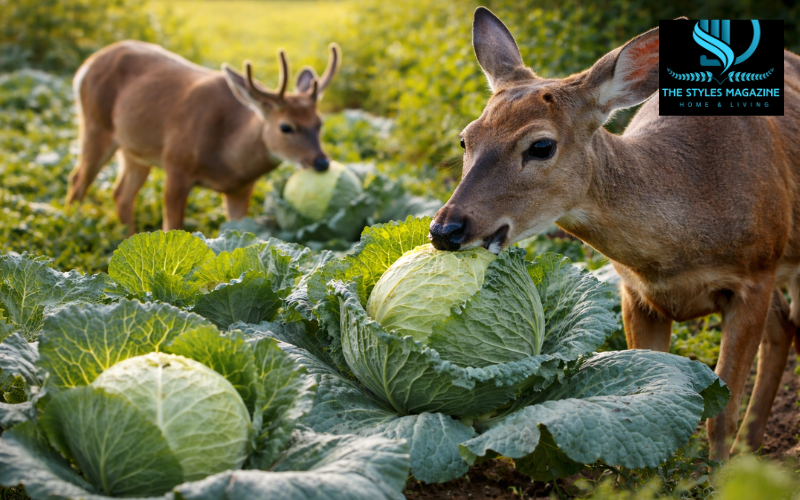
If you have ever walked into your garden and found your cabbage plants chewed down overnight, you are not alone. Many gardeners ask the same question: do deer eat cabbage? The simple answer is yes — deer often see cabbage as a tasty and easy meal. Because cabbage belongs to the brassica family, it is rich in nutrients and moisture, making it especially attractive to wildlife looking for reliable food.
Deer are natural grazers, and they are constantly searching for fresh, tender plants. When food becomes scarce in nearby forests or fields, home gardens quickly become appealing feeding areas. Cabbage, with its soft leaves and dense head, offers both nutrition and ease of access, which explains why it often becomes a target.
In this guide, you will learn why deer are drawn to cabbage, which parts they usually eat, how seasonal changes affect their feeding habits, and what realistic steps you can take to protect your garden. The goal is to give you clear, practical information so you can decide whether growing cabbage in deer-prone areas is worth the effort.
Understanding Why Deer Are Attracted to Cabbage
To understand why deer eat cabbage so frequently, it helps to look at their feeding habits. Deer are opportunistic herbivores, which means they choose foods that provide the most energy with the least effort. Cabbage fits perfectly into this category.
From a nutritional point of view, cabbage contains vitamins, water, and carbohydrates that help deer maintain energy, especially during periods when natural vegetation is limited. The leaves are soft and easy to chew, unlike tougher shrubs or dry grasses that require more effort. For a hungry animal, cabbage is a convenient and rewarding option.
Taste and texture also play a major role. Deer generally prefer plants that are tender and mild rather than rough or strongly scented. Young cabbage plants are particularly appealing because their leaves are soft and slightly sweet. Even mature heads can attract deer because they provide a large, concentrated food source in one place.
Food availability strongly influences deer behavior as well. When forests provide plenty of natural browse, deer may ignore gardens. However, during times of drought, winter, or population growth, deer expand their feeding areas and become less selective. In these situations, cabbage often moves to the top of their menu simply because it is easy to access and nutritious.
Which Parts of the Cabbage Plant Deer Usually Eat
One reason gardeners struggle with deer is that they rarely leave much behind. Deer typically eat nearly every part of the cabbage plant, especially when they feel safe in the area.
The most commonly eaten parts are the outer leaves. These broad, tender leaves are easy for deer to grab and tear. Once they begin feeding, they often continue toward the center, eventually reaching the cabbage head itself. In many cases, the entire plant is consumed down to the stem, leaving little chance for recovery.
Young cabbage plants are especially vulnerable. Seedlings and early growth stages offer soft foliage that deer find hard to resist. As the cabbage matures and the head becomes tighter, some gardeners hope it will be safer, but deer can still damage it by tearing open the leaves to reach the inner layers.
There are clear signs that deer are responsible for the damage. Plants often look stripped rather than neatly cut. Leaves may appear torn and ragged, and you might notice hoof prints or droppings nearby. Unlike insects or rabbits, deer typically leave large, uneven bites and can devastate multiple plants in a single visit.
Seasonal Deer Feeding Habits and Cabbage
Season plays a major role in answering the question, do deer eat cabbage consistently throughout the year. While deer may browse on cabbage anytime they find it, their interest often increases during colder months.
In autumn and winter, natural food sources begin to decline. Leaves fall, grasses become dormant, and many plants lose their nutritional value. During this period, deer actively search for calorie-rich foods, and garden vegetables become highly attractive. Cabbage, which can tolerate cooler temperatures and often remains available later in the season, becomes a convenient food option.
Frost can make cabbage even more appealing. Cold temperatures sometimes cause the plant to produce more natural sugars, which improves flavor. This subtle change can make cabbage sweeter and more attractive not only to humans but also to deer.
That said, deer pressure is not limited to winter. In spring and early summer, young plants are soft and easy to eat, which creates another high-risk period. The level of risk often depends on local deer populations and how much natural food is available nearby. Some gardens experience year-round damage, while others only see seasonal visits.
Edible vs Ornamental Cabbage — Is There a Difference for Deer?
Many gardeners wonder whether ornamental cabbage can help reduce deer problems. The answer is not completely straightforward, but there are some noticeable differences.
Edible cabbage is grown for flavor and tenderness, which also makes it attractive to wildlife. Ornamental cabbage, on the other hand, is bred mainly for appearance. These plants often have thicker leaves, stronger textures, or slightly bitter qualities that may be less appealing to deer.
However, ornamental does not mean deer-proof. In areas with high deer pressure or limited food choices, deer may still eat ornamental varieties. Hunger usually outweighs preference, especially during harsh weather.
Realistically, gardeners should expect both types to be vulnerable. While ornamental cabbage might experience slightly less browsing in some situations, it should not be considered a guaranteed solution. If deer are common in your area, protective measures are still necessary regardless of the variety you choose.
How Much Damage Deer Can Cause to Cabbage Plants
Deer can cause surprising amounts of damage in a very short time. A single adult deer consumes several pounds of food daily, and when multiple deer visit a garden, the impact can be immediate.
Cabbage patches often suffer overnight damage. Plants that looked healthy in the evening may be reduced to stems by morning. Because deer feed quickly and efficiently, they can clear large sections of a garden in one visit. This is especially frustrating for gardeners who have spent weeks nurturing plants from seedlings.
Short-term damage usually includes missing leaves, broken stems, and damaged heads. Unfortunately, cabbage does not always recover well once heavily eaten. If the central growing point is destroyed, the plant may stop growing entirely.
Long-term effects include reduced harvests and repeated seasonal problems. Deer tend to return to areas where they find food, creating a cycle that can continue year after year unless preventive steps are taken.
Practical Ways to Protect Cabbage from Deer
Although deer can be persistent, there are several practical ways to reduce the risk of damage. The most reliable solution is physical protection.
Fencing remains the most effective method for keeping deer away from cabbage. A fence needs to be tall enough to discourage jumping and sturdy enough to prevent animals from pushing through. Even simple garden barriers can significantly reduce browsing when properly installed.
Companion planting is another strategy many gardeners use. Strong-smelling herbs or plants with rough textures may help make the area less attractive. While this method alone may not fully stop deer, it can work as part of a larger protection plan.
Repellents provide an additional layer of defense. These products rely on scent or taste to make plants less appealing. They often need regular reapplication, especially after rain, but they can help reduce feeding when combined with other measures.
Motion-activated devices such as sprinklers or lights can also discourage deer, at least temporarily. Sudden movement or noise creates an element of surprise that makes deer cautious. However, deer can adapt over time, so rotating strategies usually works best.
Common Mistakes Gardeners Make When Trying to Stop Deer
Many gardeners become frustrated because they rely on one solution and expect instant results. Deer are adaptable animals, and effective protection usually requires multiple approaches.
One common mistake is installing fences that are too short or leaving gaps that deer can easily pass through. Even small openings can invite repeated visits if deer learn they can access food.
Another issue is inconsistency with repellents. Applying a product once and forgetting about it rarely works. Weather conditions and plant growth reduce effectiveness, so regular maintenance is essential.
Some gardeners also underestimate deer behavior. If a garden has already become a feeding spot, deer may return frequently, which means protection efforts must be consistent over time rather than temporary fixes.
When Cabbage Can Still Be Worth Growing in Deer Areas
Despite the challenges, growing cabbage in deer-prone areas is still possible with realistic expectations. Success often depends on how much effort you are willing to invest in prevention.
Gardens located close to houses or frequently used areas sometimes experience less damage because deer feel less comfortable approaching. Smaller garden beds can also be easier to protect effectively compared to large open spaces.
Combining methods usually gives the best results. A sturdy fence paired with repellents and occasional scare tactics creates multiple barriers that reduce the chances of heavy damage. No single method is perfect, but layering strategies can make a big difference.
Setting realistic expectations is important. Even well-protected gardens may experience occasional browsing. The goal is not always total prevention but reducing damage enough to enjoy a successful harvest.
Conclusion
So, do deer eat cabbage? Yes, they do — and in many areas, cabbage ranks among their favorite garden foods. Its soft texture, high moisture content, and nutritional value make it highly appealing, especially when natural food sources are limited.
Understanding why deer are attracted to cabbage, how they feed, and when they are most active can help gardeners make smarter decisions. From recognizing early signs of damage to using practical protective measures like fencing and repellents, a thoughtful approach can greatly improve your chances of success.
Growing cabbage in areas with deer requires patience and planning, but it is not impossible. With realistic expectations and consistent protection, many gardeners are still able to enjoy healthy crops while learning to work with — not against — local wildlife.
FAQs
Do Deer Eat Cabbage Plants Completely?
Yes, deer often eat both the leaves and the cabbage head, sometimes leaving only the stem.
Are Deer More Attracted To Cabbage In Winter?
Yes, deer usually target cabbage more during winter when natural food is limited.
Is Ornamental Cabbage Safe From Deer?
Not completely. It may be slightly less attractive, but deer can still eat it.
What Is The Best Way To Protect Cabbage From Deer?
A strong fence combined with repellents and other deterrents works best.
Can Cabbage Recover After Deer Damage?
Light damage may recover, but heavy feeding often stops the plant from growing properly.
Disclaimer: This article is intended for general informational and educational purposes only. Deer behavior may vary depending on location, climate, and local wildlife conditions, so results can differ from one garden to another. The tips shared here are based on common gardening practices and should be adapted according to your specific situation.
Loved Reading This? Discover More Exclusive Stories And Updates At The Styles Magazine!