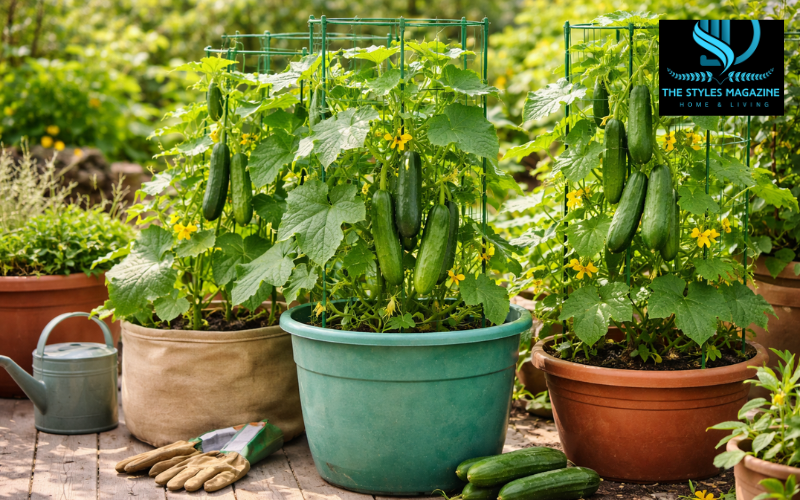
Cucumber container gardening is a simple and practical way to grow fresh cucumbers without needing a large garden. Instead of planting directly in the ground, cucumbers are grown in pots, grow bags, or containers placed on balconies, patios, rooftops, or even near sunny windows. This method is especially helpful for people who live in apartments or have limited outdoor space but still want to enjoy homegrown vegetables.
In recent years, cucumber container gardening has become very popular. Many people are moving toward small-space gardening because it is flexible, easy to manage, and fits modern lifestyles. Whether you live in a city or just prefer a low-maintenance setup, growing cucumbers in pots allows you to control every part of the plant’s environment.
One of the biggest benefits is that you can manage soil quality and nutrients much better than in traditional gardening. You also save space, reduce weeds, and make watering and care easier. In this guide, you will learn everything you need to know about cucumber container gardening, from choosing the right setup to harvesting fresh cucumbers successfully.
Cucumber Container Gardening Setup
| Step | What to Do | Why It Matters |
| Choose Container | Use 5–10 gallon pot with drainage | Supports healthy root growth |
| Use Right Soil | Light potting mix with compost | Prevents compaction and improves nutrients |
| Pick Variety | Bush or compact cucumber types | Fits small spaces easily |
| Add Support | Use trellis or cage | Saves space and improves airflow |
| Water Regularly | Keep soil evenly moist | Prevents bitterness and stress |
| Fertilize | Use balanced, then fruiting fertilizer | Boosts growth and production |
| Harvest Early | Pick cucumbers young | Encourages more yield |
Why Cucumber Container Gardening Works So Well
Cucumbers grow very well in containers because you can control important growing conditions more easily. In a pot, you choose the soil, manage moisture levels, and adjust feeding as needed. This gives you better results compared to planting directly in the ground, where soil quality may vary.
Another reason cucumber container gardening works so well is flexibility. You can move containers to follow sunlight, protect plants from harsh weather, or place them in the best growing spot. This is especially useful in areas where sunlight changes during the day.
Cucumbers need warm temperatures, regular watering, and plenty of sunlight to grow properly. Containers help maintain these conditions because they warm up faster and allow you to monitor moisture closely. With at least six to eight hours of sunlight and consistent care, container-grown cucumbers can produce just as well as garden-grown ones.
Choosing the Right Container Size and Type
The success of cucumber container gardening starts with choosing the right container. Size matters a lot because cucumbers have spreading roots and need enough space to grow. A container that holds at least five gallons of soil is the minimum for one plant, but larger containers, such as seven to ten gallons, give better results because they hold moisture more consistently.
Different container types also affect plant growth. Plastic and glazed ceramic pots are good choices because they retain moisture well, which is important for cucumbers. Fabric grow bags, on the other hand, provide excellent airflow to the roots but may require more frequent watering since they dry out faster.
Drainage is another key factor. Containers must have proper drainage holes to prevent water from collecting at the bottom. Too much water can damage the roots and lead to poor growth. Depth is equally important because shallow containers can restrict root development.
Many beginners make the mistake of choosing small or decorative pots that look nice but do not support healthy growth. Selecting a sturdy, well-sized container with good drainage is one of the most important steps in successful cucumber container gardening.
Best Soil Mix for Healthy Growth in Pots
Soil plays a major role in container gardening, and using the right mix makes a big difference. Garden soil is not suitable for pots because it becomes compact and blocks airflow, which can harm the roots. Instead, a high-quality potting mix should always be used.
The best soil for cucumbers in pots is light, well-draining, and rich in nutrients. A good mix usually contains compost, peat or coco coir, and materials that improve drainage such as perlite. Adding compost provides extra nutrients that help cucumbers grow strong and produce more fruit.
Keeping the soil airy is important because roots need oxygen to stay healthy. If the soil becomes too dense, water can build up and cause root problems. Regularly checking the soil condition and refreshing it when needed will keep your plants growing well.
Best Cucumbers for Containers and Small Spaces
Not all cucumber varieties grow well in containers, so choosing the right type is important. Bush or compact varieties are the best cucumbers for containers because they take up less space and are easier to manage. These plants are specially bred for small areas and produce good yields without spreading too much.
Slicing cucumbers are commonly grown for fresh eating, while pickling cucumbers are smaller and perfect for making pickles. Growing pickling cucumbers in containers is just as easy as growing slicing types, as long as you select compact varieties.
Some varieties are also parthenocarpic, which means they do not require pollination to produce fruit. This is especially useful when growing cucumbers indoors or in a greenhouse where pollinators may not be present.
Choosing the right variety depends on your space and purpose. If you have limited space, go for smaller plants. If you want a higher yield, choose fast-producing types that grow well in containers.
How to Grow Cucumbers in Pots for Beginners
Growing cucumbers in pots is simple when you follow the right steps. You can start by planting seeds directly in the container or by using young seedlings. Seeds are usually planted about one inch deep, and once they grow a few inches tall, weaker seedlings should be removed so only the strongest plant remains.
Spacing is important even in containers. Each plant needs enough room to grow without crowding. Proper spacing improves airflow and reduces the risk of disease.
Timing also matters. Cucumbers prefer warm weather, so planting should begin when temperatures are consistently warm, especially at night. Cold conditions can slow down growth or damage young plants.
In the early stages, regular watering and sunlight are key. Keeping the soil moist but not overly wet helps seedlings develop strong roots. With proper care, plants will grow quickly and start producing flowers in a short time.
Growing Cucumbers Vertically for Better Results
Growing cucumbers vertically is one of the best ways to improve results in container gardening. Instead of letting vines spread across the ground, vertical growth allows the plant to climb upward using support.
This method saves space, which is especially useful for balconies or small patios. It also keeps the fruit off the soil, making cucumbers cleaner and easier to harvest.
Vertical growing improves airflow around the plant, which helps prevent diseases. It also allows sunlight to reach all parts of the plant more evenly, leading to healthier growth and better production.
Choosing the Right Trellis for Cucumbers in Pots
A trellis is an important part of growing cucumbers vertically. There are many options available, including tomato cages, netting, wooden stakes, or simple wire frames. The choice depends on the space and type of container you are using.
Installing a trellis in a container should be done carefully so that it stays stable. It is best to set up the support structure early, before the plant starts growing, to avoid disturbing the roots later.
As the plant grows, vines should be gently guided and supported. This helps them climb properly and prevents damage. Avoid using weak supports that cannot hold the weight of the plant, as this can cause problems later.
Watering and Feeding for Strong, Productive Plants
Watering is one of the most important parts of cucumber container gardening. Because containers dry out faster than garden soil, it is important to check moisture levels regularly. The soil should be kept evenly moist, especially during hot weather.
Overwatering can lead to root problems, while underwatering can cause cucumbers to become bitter. Finding the right balance is key to healthy plants.
Feeding is equally important because cucumbers are heavy feeders. Starting with a balanced fertilizer helps plants grow strong, and switching to a fertilizer that supports flowering and fruiting can improve production.
Regular feeding and proper watering will result in healthier plants and better yields.
Growing Cucumbers in Pots in a Greenhouse or Indoors
Growing cucumbers in pots in a greenhouse or indoors provides more control over the environment. Greenhouses create warm and stable conditions that cucumbers need to thrive. This can lead to faster growth and longer growing seasons.
Temperature and humidity should be monitored carefully to keep plants comfortable. Proper ventilation helps prevent excess moisture, which can cause disease.
In indoor or greenhouse setups, pollination may need attention. Some varieties can produce fruit without pollination, but others may require manual help.
With the right setup, cucumbers can be grown successfully even without outdoor space.
Creative Cucumber Container Gardening Ideas for Small Spaces
Cucumber container gardening offers many creative possibilities for small spaces. Containers can be placed on balconies, arranged along walls, or even hung vertically to save space.
Using vertical planters or stacking containers allows you to grow more plants in a limited area. Combining cucumbers with other plants can also create a more efficient and attractive setup.
These ideas make it possible to enjoy gardening even in very small spaces while keeping everything organized and easy to manage.
Common Problems and How to Avoid Them
Like any plant, cucumbers can face some common problems. Yellow leaves, poor fruit production, or bitter taste are often caused by inconsistent watering or lack of nutrients.
Pests and diseases can also affect container plants, but they are usually easier to control compared to garden plants. Regular inspection and early action can prevent serious damage.
Keeping plants healthy through proper care is the best way to avoid most issues. Simple habits like regular watering, feeding, and good airflow can make a big difference.
Harvesting Tips for Better Yield and Taste
Harvesting cucumbers at the right time improves both taste and production. Cucumbers should be picked when they are still young and firm, as this is when they taste best.
Frequent harvesting encourages the plant to produce more fruit. Leaving cucumbers on the vine for too long can slow down new growth.
It is best to cut the fruit using scissors or garden snips rather than pulling it off, as this prevents damage to the plant.
Conclusion
Cucumber container gardening is an easy and effective way to grow fresh vegetables in any space. Whether you have a balcony, patio, or small indoor area, this method allows you to enjoy gardening without the need for a traditional garden.
With the right container, soil, and care, cucumbers can grow successfully and produce a healthy harvest. Even beginners can achieve great results by following simple steps and maintaining consistent care.
Starting small and learning as you go is the best approach. With time and experience, you can enjoy fresh, homegrown cucumbers and make the most of your space through cucumber container gardening.
FAQs
Can Cucumbers Grow Well In Containers?
Yes, cucumbers grow very well in containers if they get enough sunlight, proper watering, and good-quality soil.
What Size Container Is Best For Cucumbers?
A container of at least 5 gallons is recommended, but larger pots provide better moisture control and healthier growth.
Do Cucumbers Need A Trellis In Pots?
Yes, using a trellis helps save space, improves airflow, and keeps fruits clean and easy to harvest.
How Often Should I Water Container Cucumbers?
Water daily in warm weather or whenever the top soil feels dry to keep moisture consistent.
Which Cucumber Varieties Are Best For Containers?
Bush or patio varieties like Spacemaster or Salad Bush are best because they grow compact and produce well in small spaces.
Enjoyed it? Find more exclusive content on The Styles Magazine.
Disclaimer: This content is for general gardening guidance. Results may vary based on climate, care, and growing conditions. Always adjust techniques according to your local environment and plant needs.