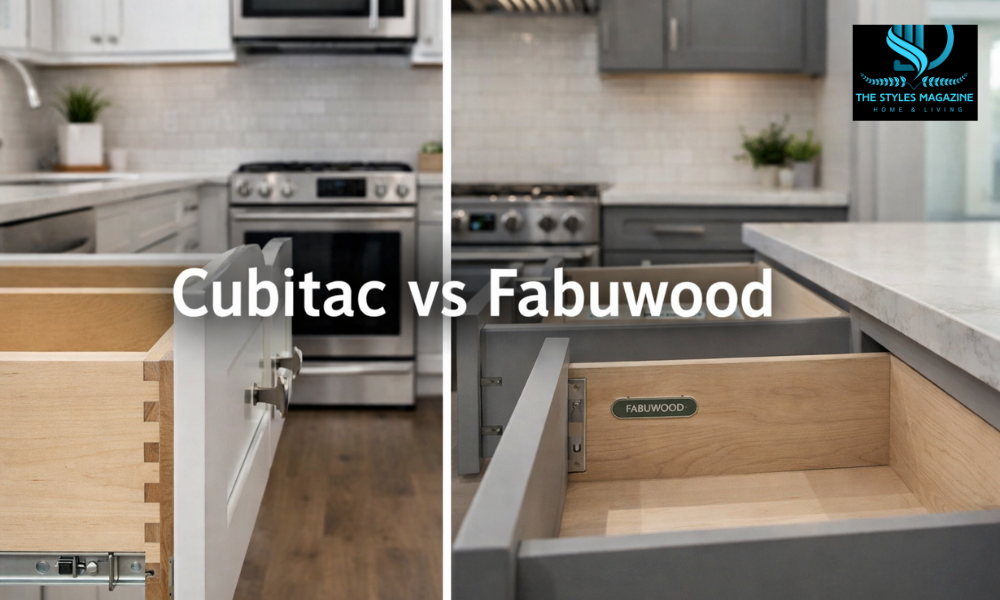
When comparing Cubitac vs Fabuwood, most homeowners are not really asking which brand is “better” in general. They are trying to decide which one fits their budget, timeline, design taste, and long-term expectations. Both brands operate in the mid-range cabinet market and are commonly offered by kitchen dealers across the United States. On paper, they can look very similar. In reality, the differences usually show up in finish durability, style flexibility, availability, and dealer support. This guide breaks everything down in practical terms so you can make a confident, informed decision.
At-a-Glance Verdict
Choose Cubitac if you are focused on specific door aesthetics, slightly more design-forward styling, or if your local dealer has a strong track record with the brand. Cubitac often appeals to homeowners who want a clean, modern Shaker look with solid construction at a competitive price.
Choose Fabuwood if you value predictable availability, a broad dealer network, and strong value for the money. Fabuwood is widely distributed and is often selected for projects where timing and cost control matter.
If you feel stuck between the two, do one practical thing before signing: request a sample door from each brand, confirm the lead time in writing, and compare quotes with identical specifications. That single step often clarifies the decision more than hours of online research.
Brand Snapshot: Where Each Fits in the Market
Cubitac positions itself as a quality-focused cabinetry brand offering framed construction with a range of popular door styles and finishes. It typically works through authorized dealers, which means your experience depends heavily on the showroom and installer you choose. The brand is often described as semi-custom, though in practical terms it offers structured options with limited modification flexibility.
Fabuwood is known for high-volume framed cabinetry designed to provide strong value in the mid-market segment. It has built a large dealer network and is frequently recommended for remodels where homeowners want modern styles without paying premium custom prices. Like Cubitac, it is often referred to as semi-custom, but that mainly means you can select from predefined sizes, finishes, and accessories rather than fully custom dimensions.
In real-world terms, both brands sit between big-box stock cabinets and high-end custom cabinetry.
Construction and Materials That Matter
When comparing cabinet construction, focus on the cabinet box, joinery, and material thickness. Both Cubitac and Fabuwood commonly use plywood for cabinet sides in many of their lines, though specifications can vary by collection. It is important to confirm whether plywood is standard or optional in the specific line you are quoting.
Look at the back panel thickness and how it is attached. A thicker back panel secured into grooves tends to add stability. Check the shelves as well. Adjustable shelves should feel sturdy and not flex easily under light pressure.
Joinery is another key factor. Dovetail drawer boxes are generally considered a positive feature because they hold up well under daily use. Soft-close glides and hinges are standard in most mid-range cabinets, but quality can vary slightly. Open and close the drawers in the showroom. Smooth movement and consistent alignment are good signs.
Both brands primarily offer framed cabinets, meaning there is a face frame attached to the front of the box. Frameless cabinets are less common in these lines. For most homeowners, framed versus frameless will not dramatically affect daily use, but framed construction can feel more traditional and forgiving during installation.
Finish Quality: Paint, Stain, and Long-Term Performance
Finish durability is where differences often become noticeable over time. Painted cabinets can develop small hairline cracks at joints due to seasonal expansion and contraction. This is common across many brands, not just Cubitac or Fabuwood. Temperature changes, humidity, and direct heat from cooking surfaces all contribute.
High-touch areas deserve special attention. Trash pull-out doors, sink base cabinets, and drawers near the dishwasher receive constant use and moisture exposure. Inspect these areas closely in showroom displays and ask about finish warranties.
A helpful tip is to test a sample door at home. Place it in your kitchen environment for a few days. Observe how it looks under your lighting and near cooking steam. Gently wipe it with a damp microfiber cloth to evaluate how easily it cleans. You do not need to perform destructive tests. Realistic use simulation is enough to get a feel for durability.
Door Styles and Design Flexibility
Both Cubitac and Fabuwood offer popular Shaker-style doors, which remain one of the safest design choices for long-term appeal. However, there can be differences in rail width, edge detail, and panel profile. A slightly slimmer Shaker frame creates a more modern appearance, while a wider rail feels more traditional.
Slab or flat-panel options are available in select lines for homeowners who prefer a cleaner, contemporary look. Glass-ready cabinets, matching panels for appliances, and decorative end panels can also influence your final design.
Color is another factor. Whites and light grays can look very different depending on natural and artificial lighting. Always view samples in your own space. What appears bright white in a showroom may look creamy or slightly cool in your kitchen.
When choosing a style, consider how it will age. Neutral tones and simple profiles tend to remain relevant longer than highly detailed or trend-driven designs.
Hardware, Interior Options, and Hidden Upgrade Costs
Soft-close hinges and drawer glides are common in both brands, but not all soft-close systems feel the same. Test the resistance and closing speed. A smooth, controlled close is preferable to one that slams at the end.
Interior accessories can significantly impact cost. Roll-out trays, trash pull-outs, lazy Susans, and tall pantry pull-outs add convenience but also increase the budget. Many homeowners find that investing in more drawer bases instead of door bases improves daily usability.
An installer’s perspective often favors drawers in lower cabinets because they provide easier access and reduce bending. If you need to adjust your budget, consider prioritizing functional upgrades over purely decorative add-ons.
Pricing and Value Comparison
Pricing for Cubitac vs Fabuwood depends on door style, finish type, cabinet count, and accessories. Painted finishes typically cost more than stained options. Modifications, decorative moldings, and specialty panels also increase the total.
When comparing quotes, ensure they include the same layout, identical door styles, and equivalent accessories. Confirm that fillers, toe kicks, crown molding, and finished end panels are included in both proposals. Small omissions can create misleading price differences.
A lower upfront quote can become more expensive if there are delays, missing parts, or incorrect panels that require reordering. Clear communication with your dealer reduces these risks.
Availability, Lead Times, and Dealer Support
Lead times fluctuate depending on demand and supply conditions. One of the biggest reasons homeowners report different experiences with the same brand is dealer efficiency. A knowledgeable dealer who verifies orders carefully can prevent errors and delays.
Before paying a deposit, ask for the estimated lead time in writing. Clarify the damage replacement policy and how warranty claims are handled. Some dealers manage issues directly, while others require you to contact the manufacturer.
On order verification day, confirm the exact finish name, door style code, hinge direction, and panel quantities. Careful review at this stage prevents costly corrections later.
Warranty and After-Sale Reality
Cabinet warranties typically cover manufacturing defects but not normal wear, water damage, or installation errors. Painted finish wear in high-moisture areas is often considered normal use.
Keep your invoice and specification sheet. Take photos of cabinets upon delivery to document condition. Maintaining proper kitchen ventilation and controlling humidity can extend finish life.
Understanding what is and is not covered helps set realistic expectations.
Which Is Better for Your Project?
For a fast remodel on a tight schedule, choose the brand your dealer can deliver most reliably within your timeline. Availability can matter more than minor construction differences.
For a long-term family home with heavy cooking, prioritize finish durability, drawer construction, and dealer reputation.
For rental properties or resale projects, focus on neutral styles and value-driven options that appeal to a broad audience.
If you are working with a professional installer, construction nuances may be handled more effectively. For DIY projects, clear assembly instructions and consistent sizing become more important.
Expert Tips for Better Results
Proper installation is critical. Cabinets must be leveled and shimmed correctly to avoid long-term alignment issues. Sink base cabinets benefit from added protection against water exposure.
Clean cabinets regularly with a damp microfiber cloth and mild soap. Avoid abrasive cleaners and harsh chemicals. Pay attention to grease buildup near cooking areas, as residue can gradually affect finishes.
If you need to adjust your budget, consider investing in high-use areas such as drawer bases and saving on decorative panels that are less visible.
Conclusion
In the Cubitac vs Fabuwood comparison, the right choice depends on your priorities. Both brands offer mid-range cabinetry with solid construction, modern styles, and competitive pricing. The deciding factors usually include finish preference, lead time, dealer reliability, and project goals. Before making a final decision, compare identical quotes, review sample doors in your own kitchen, and confirm timelines in writing. With careful planning, either option can deliver a durable and attractive kitchen that meets your expectations.
FAQs
Are Cubitac Cabinets Good Quality For The Price?
Many homeowners find that Cubitac offers solid mid-range value with durable construction and modern styles. The final experience depends on the specific line and dealer support.
Is Fabuwood Paint Durable Long-term?
Fabuwood finishes generally perform well under typical residential use, though like most painted cabinets, minor joint lines can appear over time.
Which Brand Has Better Lead Times?
Lead times vary by region and dealer. Always confirm current estimates before ordering.
What Should I Inspect At Delivery?
Check for finish damage, correct door styles, proper quantities, and matching panels.
Are These Cabinets Suitable For Humid Climates?
Yes, but proper ventilation and moisture control are essential to protect any painted cabinet finish.
Disclaimer: This article is for informational purposes only and is based on general research, industry knowledge, and publicly available information at the time of writing. Cabinet specifications, pricing, availability, and policies may change over time and can vary by dealer and location. Always confirm details directly with an authorized Cubitac or Fabuwood dealer before making a purchase decision. The final results of any kitchen remodel depend on proper installation, maintenance, and individual project conditions.
Loved Reading This? Discover More Exclusive Stories And Updates At The Styles Magazine!