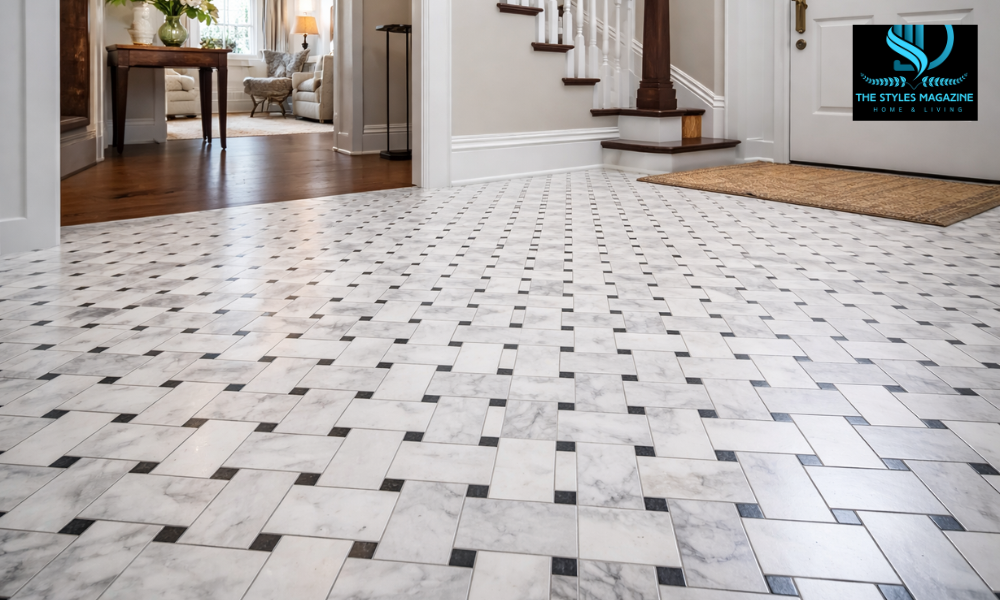
Picture walking into a classic Chatham home and seeing a bright marble floor arranged in a woven pattern that feels both historic and fresh. The soft white stone reflects natural light, while the basket weave layout adds texture and depth without overwhelming the space. This combination of classic mosaic design and refined marble has made Chatham NJ Basket Weave Marble a popular choice for homeowners who appreciate timeless style.
In this guide, you will learn what basket weave marble truly is, why it suits homes in Chatham, NJ, how to choose the right marble and finish, and what to consider before installation. You will also understand how to maintain it properly and how to protect your investment long term. Whether you are renovating a historic property or updating a newer home, this article will help you make confident and informed decisions.
What “Basket Weave Marble” Actually Is (and What It Isn’t)
Basket weave marble is a mosaic tile pattern made from small rectangular pieces arranged to resemble a woven basket. The design alternates short horizontal and vertical blocks, creating a subtle interlocking effect. This layout introduces movement and texture, even when the stone itself has a calm and neutral appearance.
Most basket weave marble is sold in mosaic sheets, where small tiles are pre-mounted on mesh backing for easier installation. Some projects use individual pieces for custom layouts, but sheets are more common for residential floors. Many designs include small “dot” inlays at the intersections of the weave. These dots can be made from the same marble or a contrasting stone, which adds definition and a traditional touch.
People sometimes confuse basket weave with herringbone or brick patterns. Herringbone forms a zigzag layout with long rectangular tiles, while brick pattern uses staggered rows like a wall of bricks. Basket weave, in contrast, has a woven look with small grouped rectangles and often visible square or dot accents. Understanding this difference helps you choose the right pattern for your space.
Why This Style Fits Chatham, NJ Homes Specifically
Chatham, NJ is known for its traditional colonials, charming Victorians, and thoughtfully updated transitional homes. Basket weave marble aligns naturally with this architectural character. It feels established and classic rather than trendy, which makes it a safe yet elegant choice for homeowners who value long-term design.
The impact of Chatham NJ Basket Weave Marble is especially noticeable in entryways and powder rooms. These areas are often smaller but highly visible. A woven marble floor creates a refined first impression as guests step inside. It adds personality without competing with wood staircases, paneled walls, or detailed trim commonly found in local homes.
Older houses in Chatham often have uneven subfloors due to age and settling. This is important because mosaic patterns can highlight even small irregularities. Proper planning before installation is essential. Taking the time to level the surface ensures that the final result looks intentional and smooth rather than uneven.
Best Places To Use Basket Weave Marble (with Practical “would I Do This Here?” Guidance)
An entryway or foyer is one of the best places to use basket weave marble. It delivers strong visual impact and handles foot traffic well when properly sealed. However, choosing the right finish and using quality entry mats is important to protect the stone from grit and moisture.
Bathroom floors are another ideal location. The smaller scale of the mosaic works well in compact rooms and can make the floor feel detailed without overpowering the space. Because bathrooms experience regular water exposure, a honed finish often provides better traction and a softer appearance.
Shower floors and even shower walls can feature basket weave marble, though careful sealing and regular cleaning are necessary. The small tiles create more grout lines, which can improve grip underfoot, but maintenance must be consistent to prevent buildup.
In kitchens, many homeowners prefer basket weave marble as a backsplash rather than a floor. As a backsplash, it becomes a statement feature that is easier to maintain compared to a high-traffic surface. It pairs well with shaker cabinets and neutral countertops.
A fireplace surround or accent wall is another thoughtful option. Marble has natural heat resistance, and the woven pattern adds visual texture to vertical spaces. When used this way, it feels decorative and intentional without being overwhelming.
Choosing The Right Marble + Finish (Carrara Vs. Calacatta Vibe, Honed Vs. Polished Reality)
Carrara marble is a popular choice for basket weave patterns because of its soft gray veining and balanced look. It feels calm and adaptable, which makes it suitable for both traditional and transitional interiors. Calacatta marble, on the other hand, has bolder and more dramatic veining. While beautiful, it can sometimes appear busy when combined with a detailed woven pattern.
When selecting marble for Chatham NJ Basket Weave Marble installations, consider the scale of the veining. Subtle patterns often work better because the basket weave layout already introduces visual complexity. A quieter stone keeps the design elegant and cohesive.
The finish of the marble also matters. Honed marble has a matte surface that is more forgiving of small scratches and etching. It is often recommended for floors, especially in entryways and bathrooms. Polished marble provides a glossy and reflective look that enhances brightness, but it can show etching and wear more easily in high-traffic areas.
Inlay or dot materials influence the final appearance as well. Matching marble dots create a seamless look, while contrasting black or gray dots emphasize the woven effect. The choice depends on whether you prefer a subtle or more defined design.
Planning & Installation Checklist (The Stuff That Prevents Expensive Regret)
Preparation is one of the most important steps in installing basket weave marble. Mosaic tiles reveal uneven subfloors quickly because of their small size. A properly leveled and stable surface is necessary to avoid lippage, which occurs when tiles sit at slightly different heights.
Before installation, it is wise to dry-lay several sheets on the floor. This allows you to confirm the direction of the pattern and ensure that dot inlays align consistently. Taking this step helps prevent awkward visual breaks or mismatched sections.
Centering the pattern in smaller rooms makes a noticeable difference. Instead of starting from one wall, installers often begin at the center to create balanced cuts along the edges. This approach gives the finished space a more professional look.
Grout selection also requires careful thought. Choosing a grout color that complements the marble rather than competing with it keeps the pattern clean. Extremely bright white grout can require frequent cleaning, while overly dark grout may create harsh contrast. Sealing is another topic where opinions vary. Some professionals recommend pre-sealing marble before grouting to reduce staining, while others seal after installation. In most cases, sealing after grout has cured provides strong protection when done properly.
Maintenance In Real Life: Keeping Marble Beautiful Without Babying It
Marble does not require complicated care, but it does benefit from consistent and gentle cleaning. A pH-neutral stone cleaner and a soft mop or cloth are usually sufficient for routine maintenance. Acidic cleaners, including vinegar-based solutions, should be avoided because they can cause etching.
Spills from coffee, wine, or oil should be wiped up promptly. Marble is porous, and while sealing helps reduce absorption, quick action minimizes the risk of staining. Using coasters and trays in nearby areas also reduces exposure to staining substances.
Resealing frequency depends on traffic levels, the finish of the marble, and daily household habits. High-traffic entryways may need sealing every one to two years, while lower-use areas may go longer. A simple water test can help determine when resealing is necessary.
Entry mats and felt pads under furniture provide basic but effective protection. These small steps prevent scratching and reduce the amount of grit tracked onto the marble surface.
Refinishing & Restoration: What To Do When It Gets Dull, Scratched, Or Uneven
Over time, even well-maintained marble can lose some of its shine or develop scratches. Signs that professional help may be needed include noticeable dullness, uneven tile edges, or widespread etching.
Stone restoration professionals typically use grinding to level uneven areas, followed by honing to smooth the surface. Polishing may be applied afterward if a glossy finish is desired. This process can often restore basket weave marble floors to a refreshed and even appearance.
When selecting a local stone restoration expert in the Chatham area, ask about their experience with mosaic marble. Request examples of previous projects and discuss realistic expectations. A qualified professional should explain the process clearly and outline what improvements are achievable without making exaggerated promises.
Cost & Value: Budgeting Without Guesswork
The cost of installing Chatham NJ Basket Weave Marble depends on several factors, including the type of marble selected, the complexity of the mosaic, the condition of the subfloor, and local labor rates. Mosaic installations often require more time and precision than larger-format tiles.
Investing in proper surface preparation and skilled installation is usually worthwhile. Poor preparation can lead to visible issues that are expensive to correct later. If budget is a concern, consider using basket weave marble in a focused area, such as an entry or powder room, rather than throughout an entire level.
From a resale perspective, timeless materials like marble often appeal to buyers. However, value depends on quality workmanship. Clean installation and thoughtful design decisions contribute more to long-term value than the stone itself.
Common Mistakes To Avoid (a Friendly “learn From My Pain” Section)
Choosing bright white grout may seem appealing at first, but it can require frequent cleaning to maintain its original appearance. A slightly softer tone often provides a more practical balance between brightness and maintenance.
Using harsh or acidic cleaners is another common mistake. Products that work well on ceramic tile can damage marble. Always verify that cleaning solutions are safe for natural stone.
Skipping floor flatness checks can lead to visible unevenness in mosaic installations. Because basket weave tiles are small, even minor subfloor variations become noticeable.
Installing polished marble in a high-traffic entry without protective mats can accelerate wear. Planning ahead for maintenance and protection helps preserve the surface longer.
Conclusion
Chatham NJ Basket Weave Marble combines timeless design with practical elegance. Its woven pattern adds character, while natural marble delivers brightness and refinement. With thoughtful material selection, careful installation, and consistent maintenance, it can remain beautiful for many years.
If you are considering this style, start with a smaller space such as a powder room or entryway. Order samples, compare finishes, and think carefully about grout color. With the right planning and realistic expectations, basket weave marble can enhance your home in a way that feels classic, welcoming, and lasting.
FAQs
Is Basket Weave Marble Slippery?
Basket weave marble can be slippery if it has a polished finish, especially when wet. A honed finish is usually a better choice for floors because it offers more grip and reduces the risk of slipping.
Does Marble Stain Or Etch, And What Is The Difference?
Marble can both stain and etch. Staining happens when liquids like oil or coffee soak into the stone. Etching occurs when acidic substances such as lemon juice or vinegar react with the surface and leave dull marks. Sealing helps reduce staining, but avoiding acidic cleaners is key to preventing etching.
Can I Install Basket Weave Marble Over Heated Floors?
Yes, basket weave marble can be installed over radiant heated floors if proper materials and installation methods are used. It is important to follow manufacturer guidelines and ensure the heating system is compatible with natural stone.
How Long Does Marble Sealing Last?
Sealing typically lasts between one and three years depending on foot traffic, moisture exposure, and cleaning habits. High-traffic areas like entryways may need resealing more frequently than low-use areas.
Can I Install Basket Weave Marble Myself Or Should I Hire A Professional?
While experienced DIY homeowners may attempt installation, basket weave marble requires careful alignment and a perfectly level surface. Hiring a professional installer usually results in a cleaner finish and fewer long-term issues.
Disclaimer: This article is intended for general informational purposes only. Installation methods, maintenance practices, and material performance may vary depending on specific site conditions and product selection. For structural concerns, major renovations, or professional stone restoration, it is recommended to consult a qualified contractor or stone specialist before making final decisions.
Loved Reading This? Discover More Exclusive Stories And Updates At The Styles Magazine!