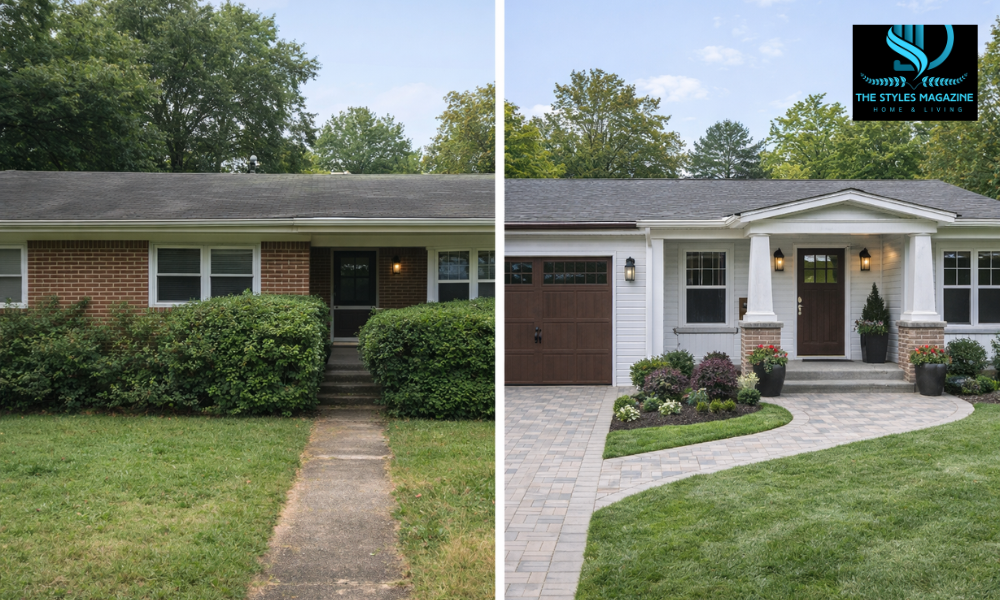
A before and after 1960s ranch house exterior remodel usually starts with understanding why these homes often look plain compared to newer designs. Many ranch homes built in the 1960s were designed with long horizontal lines, low rooflines, and very simple trim details. At the time, this style was practical and modern, but today it can feel flat or outdated without thoughtful upgrades. The good news is that the strong structure and simple layout make ranch homes perfect candidates for exterior transformation.
When homeowners search for before and after remodel ideas, they are usually looking for more than beauty alone. A successful remodel improves curb appeal, but it also increases durability, comfort, and long-term value. Updates such as better materials, improved windows, and stronger visual focus around the entrance can make a home look modern while still respecting its original character. The real goal is balance, not total reinvention.
This guide explains the highest-impact changes in the right order so you avoid wasting money on upgrades that don’t show clear results. By following a clear strategy, even small improvements can create dramatic before and after results that look natural and timeless.
Start With a 30-Minute “Before” Audit (So You Don’t Remodel Blind)
Before spending money, start with a quick but honest inspection of your home’s exterior. Walk across the street and look at your house as if you were seeing it for the first time. Take straight-on photos as well as angled shots during morning and late afternoon light. Different lighting reveals shadows, color issues, and texture problems that you may not notice otherwise. These photos will help you compare progress later and make smarter design decisions.
Next, identify the three main attention magnets on most ranch homes: the front door area, the garage, and the roofline. These elements naturally draw the eye, and if one looks outdated or neglected, it can affect the entire appearance. Focusing on these areas first often delivers the strongest before and after transformation without requiring a full remodel.
Finally, create a simple “keep versus change” list. Some features may already have charm, such as original brick, mature trees, or classic windows. Others may make the house look tired, like heavy shutters, narrow trim, or mismatched materials. This quick audit helps you build a clear plan instead of making random upgrades that don’t work together.
The 1960s Ranch Exterior Checklist (Common Problems You’re Probably Seeing)
Many 1960s ranch homes share similar exterior issues, and recognizing them early can help guide your remodel decisions. One of the most common problems is tired brick color or siding that has been patched over time with different materials. When textures and colors compete, the home loses visual harmony and looks older than it really is.
Another frequent issue is outdated trim and decorative elements. Thin columns, heavy shutters, and old railings often make the house look smaller and less balanced. While these features were once trendy, they can visually weigh down a ranch home today. Replacing them with cleaner lines instantly modernizes the exterior without changing the overall structure.
Old windows are also a major factor. Besides reducing energy efficiency, outdated window designs often make the house feel stuck in another decade. Landscaping can add to the problem when bushes or trees grow too large and hide the architecture completely. A ranch home should feel open and grounded, not hidden behind overgrowth.
The 3-Step “Before → After” Plan That Works on Almost Every Ranch
The most successful before and after 1960s ranch house exterior remodel projects follow a simple three-step plan. The first step is to clean and simplify. Remove anything that feels cluttered, trim back overgrown plants, and power wash surfaces. Even without spending much money, this step alone often reveals the true potential of the house.
The second step is to unify materials and colors. Many ranch homes have been modified over decades, leading to too many textures or conflicting paint tones. Choosing one consistent palette helps the home feel intentional and calm. This does not mean everything must match perfectly, but materials should feel related and balanced.
The final step is adding intentional focal points. A strong entry, updated lighting, and a clear walkway guide the eye and create the “after” feeling homeowners want. Instead of adding decorative details everywhere, focus on a few key upgrades that attract attention naturally.
Exterior Color Strategy for Ranch Homes (How to Avoid the “Flipped House” Look)
Choosing the right exterior color is one of the biggest factors in a successful remodel. A common mistake is picking trendy colors that do not match fixed elements like the roof, stone, or concrete. Always start by identifying undertones already present in these permanent materials. Colors that complement existing tones will look natural and cohesive instead of forced.
Contrast should be used carefully. High contrast works best around the front door or lighting fixtures where you want attention. Using too many accent colors across trim, shutters, and siding can make the exterior feel busy. Ranch homes benefit from a calm, controlled palette that supports their horizontal design.
A practical tip that many experienced renovators follow is testing large paint swatches in different lighting conditions. Colors can look very different in full sun versus shade. Viewing samples at different times of day helps you avoid expensive repainting and ensures the final result feels balanced.
Materials That Modernize Without Erasing the Ranch Character
Material choices play a major role in how modern or timeless your remodel looks. Ranch homes have strong horizontal proportions, so materials should support that shape rather than compete with it. Board-and-batten accents can add vertical interest when used carefully, while lap siding zones often work well to create subtle variation without visual chaos.
When it comes to brick, many homeowners debate whether to keep it or replace it. Original brick often adds character and durability, and in many cases it can be refreshed with cleaning or limewashing instead of full replacement. If covering brick, make sure the new material still respects the home’s scale and doesn’t make the facade feel heavy.
A helpful design rule is choosing one hero texture. This might be brick, siding, or stone. All other textures should support it rather than compete for attention. Limiting textures makes the house look professionally designed and helps the before and after change feel clear and intentional.
Entry + Porch Upgrades That Create the Biggest “After” Photo
The front entry is often the smallest part of a ranch house, but it has the biggest impact on curb appeal. Making the front door feel larger can dramatically change how welcoming the home looks. Simple upgrades like wider trim, updated hardware, or a bold but tasteful door color create a strong focal point without major construction.
Porch columns and railings also influence how modern or dated the house feels. Replacing thin or decorative columns with cleaner, sturdier shapes better matches the ranch style and gives the exterior more presence. These upgrades often make the entire facade feel more balanced.
Adding one welcoming element completes the transformation. This could be a simple bench, matching planters, updated house numbers, or a statement porch light. Small touches like these add warmth and personality while keeping the overall design clean and uncluttered.
Windows, Garage, and the “Long Facade Problem” (Ranch-Specific Fixes)
One challenge with ranch homes is the long front facade, which can appear flat and endless without careful design. Keeping window styles consistent helps solve this problem. Mixing grid patterns or different frame colors can create visual confusion, so it is best to maintain a unified look across the entire house.
The garage door is another major visual element that many people overlook. Because it occupies large space on the facade, treating it as a design feature makes a big difference. Fresh paint, updated panels, or subtle hardware can help it blend into the overall design instead of dominating the view.
Breaking up long walls with trim bands, subtle material changes, or landscaping creates visual rhythm. These small adjustments help guide the eye across the home and make the exterior feel more dynamic without losing the classic ranch style.
Landscaping + Walkway + Lighting (The Secret Sauce Behind Most Before/After Success)
Landscaping often creates the strongest emotional difference between before and after photos. Foundation planting should soften the base of the house without hiding windows or architectural lines. Low to medium-height plants usually work best for ranch homes because they maintain visibility while adding texture.
Walkways should feel inviting and easy to follow. If the current path feels narrow or awkward, even a slight redesign can improve how visitors approach the home. Curved or widened paths can make the entry feel more intentional and welcoming.
Lighting adds depth and highlights improvements at night. A layered approach works best, combining a clear entry light with path lighting and subtle uplighting for plants or textures. Good lighting not only improves safety but also extends curb appeal into the evening hours.
Budget Breakdown: What to Do First If You Can’t Do Everything
Not every homeowner can complete a full remodel at once, which is why prioritizing projects is important. Weekend upgrades like cleaning, painting the front door, replacing house numbers, and adding fresh mulch can already create noticeable improvement with minimal cost. These small wins build momentum and motivation.
Mid-budget updates may include painting the exterior, installing a new front door, improving landscaping, or refreshing walkways. These changes often provide the biggest visual return compared to cost and are ideal for homeowners planning gradual upgrades.
Investment-level upgrades include windows, siding replacement, porch rebuilds, or roofline adjustments. These projects require more planning but deliver long-term value and durability. As a general rule, always prioritize weatherproofing and structural improvements before focusing purely on appearance.
Mistakes That Ruin Curb Appeal on 1960s Ranch Remodels
One of the biggest mistakes homeowners make is using too many colors and materials at once. When everything tries to stand out, nothing truly does. Keeping the palette simple helps the home feel unified and professionally designed.
Another common problem is installing oversized modern features that overwhelm the low, horizontal shape of the ranch. Large decorative columns or extreme modern elements can feel disconnected from the home’s original character. Updating should enhance the structure, not fight against it.
Many remodels also fail because the roofline is ignored. Even with new paint and landscaping, worn fascia, soffits, or trim can make the house look unfinished. Skipping paint sample testing is another mistake that leads to unexpected undertones and disappointing results. Testing first always saves time and money.
Conclusion
A successful before and after 1960s ranch house exterior remodel is not about following trends or spending the most money. The real transformation comes from a simple formula: simplify what feels cluttered, unify materials and colors, and highlight key focal points that naturally attract attention. This approach creates lasting curb appeal while respecting the history of the home.
Documenting your own before and after journey with photos and a checklist helps you stay focused and track progress. Small improvements done in the right order often produce better results than large changes made without a plan. Even simple updates can dramatically improve how the house feels from the street.
If you are unsure where to start, choose one high-impact upgrade such as the front door, lighting, or landscaping. Completing a visible improvement builds confidence and makes the next step easier. Over time, these thoughtful decisions come together to create a ranch house exterior that feels fresh, welcoming, and timeless.
FAQs
Q1: How Much Does A Before And After 1960s Ranch House Exterior Remodel Usually Cost?
A: Costs vary depending on upgrades, but small cosmetic changes can start with a low budget, while full exterior renovations including siding, windows, and landscaping can require a larger investment.
Q2: What Is The Fastest Way To Improve A 1960s Ranch House Exterior?
A: Cleaning the exterior, updating paint colors, improving landscaping, and upgrading the front door usually create the quickest visible transformation.
Q3: Should I Paint Or Keep The Original Brick On A 1960s Ranch House?
A: If the brick is in good condition, many homeowners keep it and refresh it with cleaning or limewash. Painting or covering should only be considered if the brick looks damaged or mismatched.
Q4: What Colors Work Best For A 1960s Ranch Exterior Remodel?
A: Neutral tones with warm or natural undertones usually work best, especially when matched with the roof and existing materials.
Q5: Can I Remodel My Ranch House Exterior Step By Step?
A: Yes, many homeowners improve curb appeal gradually by starting with small upgrades like lighting, landscaping, and entry improvements before moving to larger projects.
Disclaimer: This article is provided for general informational and educational purposes only. Exterior remodeling results may vary depending on property condition, location, budget, and local building regulations. Always consult qualified professionals before starting structural changes or major renovation work.
Loved Reading This? Discover More Exclusive Stories And Updates At The Styles Magazine!