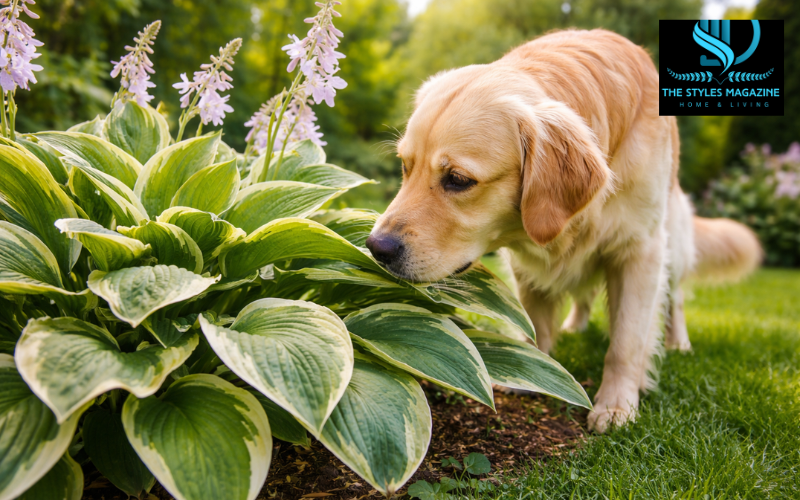
Hostas are one of the most popular plants found in home gardens, especially in shaded areas. Their large, attractive leaves and low-maintenance nature make them a favorite choice for homeowners who want a lush and relaxing outdoor space. However, many dog owners ask an important question before planting or keeping these plants: Are hostas poisonous to dogs?
This concern is understandable. Dogs are naturally curious animals, and many of them explore the world by sniffing, chewing, or digging around plants. While some garden plants are completely safe, others can cause stomach upset or more serious health problems if eaten. Knowing which plants are safe helps pet owners create a garden that looks beautiful without putting their dogs at risk.
In this article, you will learn whether hostas are toxic to dogs, why they can be harmful, what symptoms to watch for, how serious the risk usually is, and what actions you should take if your dog eats one. We will also talk about recovery, prevention, and safer alternatives for dog-friendly landscaping so you can make informed choices for your home.
Understanding Hostas and Their Place in Home Gardens
Hostas are leafy perennial plants known for their broad, textured leaves and ability to grow well in shade. They come in many sizes and colors, ranging from bright green to blue-green or variegated patterns. Because they return every year and require little maintenance, they are commonly used to fill garden borders, walkways, and shaded corners of yards.
One reason homeowners love hostas is their versatility. They thrive under trees, near patios, and alongside pathways where sunlight is limited. Their foliage adds softness and depth to garden designs, making outdoor spaces feel calm and natural.
For dog owners, this popularity also means hostas are often placed in areas where pets spend time. Dogs may encounter them while playing in the yard, exploring landscaping beds, or simply relaxing near the house. Puppies and younger dogs, in particular, may chew leaves out of curiosity. This frequent exposure is exactly why people search for answers about whether hostas are poisonous to dogs.
Are Hostas Poisonous to Dogs? (Direct Safety Explanation)
Yes, hostas are considered toxic to dogs. Veterinary resources such as the ASPCA classify hosta plants as toxic because they contain compounds called saponins.
Saponins are natural chemicals found in certain plants. They serve as a defense mechanism for the plant, helping protect it from pests and animals. While these compounds are not usually life-threatening to dogs, they can irritate the digestive system if ingested.
All parts of the hosta plant can potentially affect dogs. This includes the leaves, stems, flowers, and roots. If a dog chews or eats any section of the plant, there is a chance they may experience gastrointestinal discomfort. The severity often depends on how much of the plant was eaten and the size of the dog.
Understanding that hostas are toxic does not mean every exposure is an emergency. However, it does mean pet owners should treat the plant with caution and monitor dogs closely if ingestion occurs.
Why Hostas Can Be Harmful to Dogs
The main reason hostas can be harmful lies in how saponins interact with a dog’s digestive system. When swallowed, these compounds can irritate the lining of the stomach and intestines. This irritation causes the body to react by trying to remove the substance, which commonly leads to vomiting or diarrhea.
Dogs typically do not eat plants because they taste good. More often, exposure happens during normal play or exploration. Some dogs enjoy digging around plant roots, while others chew leaves out of curiosity or boredom. Puppies are especially likely to mouth plants as they explore their environment.
In many cases, dogs consume only a small amount before stopping because hostas have a bitter taste. This natural bitterness can limit how much they eat, which is one reason most cases remain mild. Still, repeated chewing or larger amounts can increase irritation and lead to stronger symptoms.
Signs and Symptoms to Watch For After Ingestion
If a dog eats part of a hosta plant, symptoms usually appear within a few hours. The most common signs are related to stomach upset and general discomfort.
Early symptoms often include vomiting and diarrhea. These are the body’s way of removing something that does not agree with the digestive system. Some dogs may also show reduced energy, appearing quieter or less interested in normal activities. According to veterinary poison resources, lethargy and appetite loss can also occur in some cases.
Mild reactions may involve a single episode of vomiting or loose stool with otherwise normal behavior. Moderate reactions may include repeated vomiting, noticeable tiredness, or decreased appetite lasting longer than expected. Excessive drooling, lip licking, or signs of abdominal discomfort can also be seen.
Every dog reacts differently, so it is important to observe both physical signs and behavior. Even if symptoms seem minor at first, they should be monitored closely to ensure they do not worsen.
How Serious Is Hosta Poisoning in Dogs?
In most situations, hosta poisoning in dogs is considered mild to moderate. Many veterinary sources describe the toxicity level as low, with symptoms typically limited to temporary digestive upset rather than long-term harm.
Several factors influence how serious the situation becomes. The size of the dog plays a role, as smaller dogs can be affected more quickly by smaller amounts. The amount eaten is another key factor; a few bites may cause mild discomfort, while larger quantities may lead to stronger reactions. Age and overall health also matter. Puppies, senior dogs, or pets with existing health issues may recover more slowly.
While most dogs recover without complications, there are times when the situation becomes more concerning. Persistent vomiting, signs of dehydration, blood in stool, or extreme lethargy are warning signs that require veterinary attention. Even though severe outcomes are uncommon, timely action helps prevent complications.
What to Do If Your Dog Eats a Hosta Plant
If you see or suspect your dog has eaten a hosta, the first step is to stay calm. Panicking can make it harder to think clearly and take the right actions.
Start by removing any remaining plant material from your dog’s mouth if it is safe to do so. Offer fresh water and observe their behavior. Monitoring is important because many cases remain mild and improve with simple care at home.
Avoid trying to make your dog vomit unless a veterinarian specifically instructs you to do so. Home remedies can sometimes cause more harm than good. Instead, watch for repeated vomiting, ongoing diarrhea, or unusual behavior.
You should contact a veterinarian or pet poison helpline if symptoms are severe, if your dog is very small, or if you are unsure how much was eaten. Organizations like the ASPCA Poison Control recommend reaching out for guidance whenever a pet may have ingested a toxic plant.
Recovery, Treatment, and Expected Outcome
The good news for most dog owners is that recovery from hosta poisoning is usually straightforward. In mild cases, dogs improve within 24 hours with rest, hydration, and observation.
When veterinary care is needed, treatment generally focuses on supportive care. This may include fluids to prevent dehydration, medications to control vomiting, or temporary dietary adjustments to soothe the stomach. Because hostas mainly cause gastrointestinal irritation rather than organ damage, recovery tends to be quick once symptoms are managed.
During recovery, keep your dog comfortable and offer small amounts of water or bland food if recommended by your vet. Monitor energy levels, appetite, and bathroom habits. If symptoms continue beyond a day or worsen, follow up with professional care.
Preventing Hosta Poisoning in Pet-Friendly Gardens
Prevention is always easier than treatment, especially when curious dogs are involved. The first step is knowing which plants in your yard may be harmful. If you already have hostas, consider placing them in areas that are harder for dogs to access.
Supervision also plays a big role. Dogs that are watched during outdoor play are less likely to chew on plants unnoticed. Training simple commands like “leave it” can help discourage plant chewing and protect pets from other hazards as well.
Some homeowners choose to create pet-safe zones in their gardens, using fencing or natural barriers to separate decorative plants from play areas. Mulch pathways and designated dog-friendly spaces can reduce boredom and digging behavior that may lead to plant exposure.
Safe Alternatives to Hostas for Dog Owners
If you love the look of hostas but want a completely pet-safe garden, there are several alternatives worth considering. Many non-toxic plants offer similar texture and shade-loving qualities without the worry.
Plants like coral bells, astilbe, or certain ferns can create a lush appearance while being safer choices for dogs. When selecting plants, it is helpful to check trusted pet safety resources before bringing new greenery home.
Choosing pet-safe landscaping does not mean sacrificing beauty. Instead, it allows you to design an outdoor space where both your garden and your dog can thrive comfortably together.
Conclusion
So, are hostas poisonous to dogs? Yes — hostas contain saponins that can cause digestive upset if eaten, which is why they are considered toxic to dogs. While most cases are mild and resolve with simple care, it is still important for pet owners to recognize symptoms and act appropriately when exposure happens.
The key takeaway is awareness. Understanding the risks helps you respond quickly if your dog chews on a hosta and allows you to plan a safer, more pet-friendly garden. By choosing plants carefully, supervising outdoor time, and knowing when to seek veterinary advice, you can enjoy a beautiful landscape while keeping your dog safe and healthy.
FAQs
Are Hostas Poisonous To Dogs?
Yes, hostas are toxic to dogs because they contain compounds called saponins that can cause stomach irritation.
What Happens If A Dog Eats A Hosta Plant?
Most dogs develop mild symptoms such as vomiting, diarrhea, or drooling within a few hours.
Are Hostas Dangerous Enough To Require Emergency Care?
Usually symptoms are mild, but you should contact a vet if vomiting continues, your dog seems very weak, or a large amount was eaten.
Which Part Of The Hosta Is Toxic To Dogs?
All parts of the plant — leaves, flowers, stems, and roots — can cause problems if ingested.
How Can I Keep My Dog Safe Around Hostas?
Keep hostas out of reach, supervise outdoor time, and consider using pet-safe plants in dog-accessible areas.
Disclaimer: This article is for informational and educational purposes only and should not replace professional veterinary advice. If you suspect your dog has eaten a toxic plant or is showing unusual symptoms, contact your veterinarian or a certified pet poison helpline for proper guidance.
Loved Reading This? Discover More Exclusive Stories And Updates At The Styles Magazine!