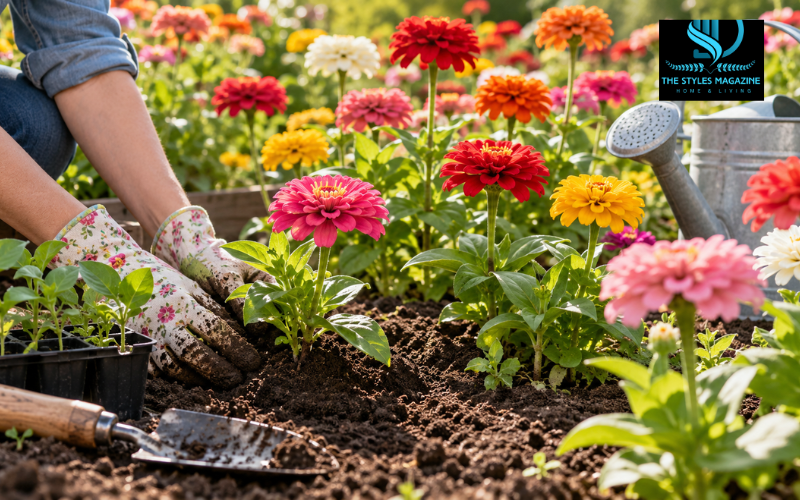
Few summer flowers bring as much colour and charm to a garden as zinnias. With their bright petals, cheerful appearance, and impressive variety of shapes, these flowers can transform an ordinary outdoor space into a beautiful summer display. Whether you have a large garden, a small patio, or a few containers, zinnias offer plenty of possibilities.
One reason gardeners love these flowers is that they are relatively easy to grow. They enjoy sunshine, respond well to regular care, and can produce flowers over several months. In the UK, they are particularly attractive during late summer, when their colourful blooms brighten borders and provide fresh flowers for indoor arrangements.
Growing zinnias successfully starts with understanding their needs. Choosing suitable varieties, planting at the right time, and providing enough warmth and sunlight can make a noticeable difference.
This guide explains everything from sowing seeds and preparing garden beds to watering, preventing common problems, and enjoying beautiful cut flowers.
Quick Answer:
Zinnias are colourful, sun-loving flowering plants commonly grown as annuals in UK gardens. They are easy to grow from seed and produce bright summer blooms, making them ideal for borders, containers, and cut-flower arrangements.
Zinnias Quick Growing Guide
| Feature | Growing Information |
| Botanical name | Zinnia |
| Plant type | Half-hardy annual in UK gardens |
| Sunlight | Full sun, ideally 6–8 hours daily |
| Soil | Fertile, well-drained soil |
| Sowing time | Late April to early May indoors |
| Outdoor planting | Late May to June, after frost |
| Flowering season | Summer to early autumn |
| Average height | 30–90 cm, depending on variety |
| Watering | Regularly during dry weather; avoid waterlogging |
| Best uses | Borders, pots, cut flowers, and pollinator gardens |
How to Grow Zinnias Successfully: 6 Simple Steps
- Choose a sunny location: Find a warm, sheltered spot with plenty of direct sunlight.
- Sow the seeds: Start zinnia seeds indoors in late April or early May using suitable seed compost.
- Protect young plants: Keep seedlings warm, provide bright light, and avoid overwatering.
- Plant outdoors: Gradually harden off seedlings before planting after the last spring frost.
- Water carefully: Water around the base of the plants, especially during prolonged dry weather.
- Encourage more flowers: Pinch suitable young plants, remove faded blooms, and cut flowers regularly.
What Are Zinnias? Understanding These Colourful Flowers
Zinnias are flowering plants belonging to the daisy family, known scientifically as Asteraceae. They originate mainly from Mexico and surrounding parts of the Americas, where many species grow naturally in warm, sunny conditions.
Their flowers are especially attractive because of their wide range of colours. Depending on the variety, they can produce red, orange, yellow, pink, purple, white, and even unusual greenish blooms. Some have simple, daisy-like petals, while others develop full, rounded flower heads resembling dahlias.
Are zinnias annual or perennial? This is a common question among gardeners. Although the wider Zinnia genus includes perennial species, the popular garden varieties grown in Britain are generally treated as half-hardy annuals. They grow, flower, and complete their life cycle within one season because they cannot reliably survive freezing winter conditions.
Zinnias height varies considerably between varieties. Compact plants may grow around 20–40 cm tall, while taller cutting varieties can reach approximately 90 cm or more in favourable conditions.
Their upright stems and striking flowers make them suitable for colourful borders, garden containers, and flower arrangements. Their versatility is one of the main reasons they remain popular with gardeners.
Popular Zinnia Varieties for Different Garden Styles
Choosing the right variety makes growing zinnias easier and helps you create the appearance you want. Some produce small flowers on compact plants, while others develop large blooms supported by long stems.
Profusion Series is an excellent choice for smaller spaces. These plants usually remain compact and produce plenty of flowers in cheerful colours. They work particularly well along pathways, at the front of borders, or in patio containers. They also offer improved resistance to some common diseases.
Zahara Series is another attractive option for containers and bedding displays. These bushy plants often reach around 30–45 cm tall and produce bright flowers in shades including orange, pink, red, yellow, and white. Their relatively good resistance to powdery mildew makes them worth considering.
For gardeners interested in cutting flowers, Benary’s Giants are a popular choice. Their tall stems and large, rounded blooms make impressive additions to bouquets. Some varieties reach approximately 90 cm or more and may benefit from support.
The Queen Lime Series offers something different. Its unusual combinations of green, pink, red, and soft vintage tones create a distinctive appearance in borders and floral arrangements.
When selecting varieties, consider the available space, expected plant height, flower colour, and whether you prefer decorative borders or fresh flowers for the home.
When to Plant Zinnias for the Best Summer Flowers
Timing matters when growing zinnias in the UK because these plants dislike cold conditions. Starting too early can leave young plants struggling in chilly soil, while planting after the weather has warmed gives them a better chance to establish.
For most gardeners, late April to early May is a suitable period to start zinnia seeds indoors. A warm windowsill, heated propagator, or protected greenhouse can provide the conditions needed for germination.
Young plants should only be moved into the garden once the danger of frost has passed. This is often around late May or early June in warmer regions, while northern areas and colder locations may need to wait until mid-June.
Direct outdoor sowing is possible in early June where the soil is reliably warm and drains well. However, starting seeds indoors is often more dependable in areas with shorter or cooler summers.
Zinnias generally begin flowering around 12 weeks after sowing, although the timing depends on the variety and growing conditions. In Britain, their displays often reach their best during August and September and may continue into autumn until cold weather brings flowering to an end.
How to Grow Zinnias from Seeds
Growing zinnias from seeds is an affordable way to fill your garden with summer flowers. You can choose from many colours and varieties, making it easy to plan a display that suits your outdoor space.
Start by purchasing fresh zinnia seeds from a reliable supplier. Check the packet for the variety’s expected height, recommended sowing depth, and growing instructions.
Fill small pots or individual seed tray cells with moist, peat-free seed compost. Sow the seeds at the depth recommended on the packet and cover lightly if instructed. Place the containers somewhere warm, ideally around 20°C, and keep the compost gently moist rather than soaking wet.
Once seedlings appear, move them somewhere bright to encourage strong, healthy growth. Avoid leaving them in poorly lit conditions, as this can produce long, weak stems.
When the seedlings have developed their first true leaves and their roots need more room, carefully transfer them into individual pots if necessary. Zinnias dislike unnecessary root disturbance, so handling the root ball gently is important.
You can also sow seeds directly into prepared garden soil once conditions become consistently warm. Follow the packet instructions for depth and spacing, and thin overcrowded seedlings as they develop.
Before moving indoor-grown plants outside permanently, gradually introduce them to outdoor conditions. This helps reduce stress when they are eventually planted in the garden.
With sufficient warmth, sunlight, and careful watering, young zinnias should develop into healthy flowering plants.
The Right Sunlight, Soil, and Spacing for Zinnias
Sunlight is one of the most important requirements for growing healthy zinnias. These flowers perform best in full sun, ideally receiving at least six hours of direct sunlight each day. A bright, sheltered position can encourage stronger growth and better flowering.
Soil conditions matter just as much. Zinnias prefer reasonably fertile soil that retains some moisture but drains freely. They can grow in different soil types, although heavy, constantly wet ground may cause problems with their roots.
If your garden soil is compacted, gently loosen it before planting and add well-rotted organic matter where appropriate. This can improve its structure and help young roots establish.
Spacing also affects plant health. Many medium and tall varieties benefit from approximately 30–40 cm between plants, although compact varieties may need less room. Always check the recommended spacing for your chosen cultivar.
Avoid planting zinnias so closely together that their leaves remain crowded. Good airflow reduces damp conditions around the plants and can help limit fungal diseases.
Planting Zinnias in Garden Beds and Borders
A well-prepared flower bed provides the foundation for healthy zinnia growth. Choose a sunny area protected from strong winds, especially if you are growing taller varieties with large flower heads.
Begin by removing weeds, stones, and unwanted plant material. Loosen the soil and work in some well-rotted garden compost if needed. Make sure excess water can drain away rather than collecting around the planting area.
Before transplanting, harden off young plants by placing them outdoors for gradually longer periods over roughly one to two weeks. Bring them back under protection during cold nights.
Once frost is no longer expected, dig holes large enough to accommodate each plant’s root ball. Position the plants at approximately the same depth they were growing in their pots, gently firm the surrounding soil, and water thoroughly.
For an attractive display, place taller varieties towards the back of borders and shorter ones towards the front. Combining different colours can create interest without making the planting look overcrowded.
Tall zinnias may need discreet stakes or supporting netting, particularly in exposed gardens. Adding support early helps protect developing stems from wind damage.
Growing Zinnias in Pots and Containers
Growing zinnias in pots is an excellent option for gardeners with limited outdoor space. Their colourful flowers can brighten patios, balconies, terraces, and small courtyards throughout the warmer months.
Compact varieties such as Profusion and Zahara are particularly suitable because their shorter growth makes them easier to manage in containers.
Choose a container with drainage holes and enough room for the plant’s mature root system. Fill it with good-quality peat-free multipurpose compost that allows excess water to escape.
Position the pot in a sunny, sheltered place. South-facing patios can work well, provided the plants receive sufficient water during warm weather.
Container-grown zinnias generally need more frequent watering than those planted in garden beds because compost dries out faster. Check moisture regularly rather than following a fixed daily schedule.
During flowering, a suitable liquid feed, such as a high-potassium tomato fertiliser, can support continued growth when used according to the manufacturer’s instructions.
Avoid overcrowding pots with too many plants. Giving each zinnia adequate growing space helps maintain healthy foliage and encourages a more attractive display.
Watering, Feeding, and Caring for Zinnias
Although zinnias enjoy warm weather, they still need sufficient moisture to grow and flower well. Newly planted seedlings require particular attention while their roots are becoming established.
Water when the upper layer of soil begins to dry, adjusting the amount according to rainfall, temperature, and soil conditions. During prolonged dry spells, plants growing in open borders may benefit from a thorough watering rather than frequent light sprinkling.
Direct water towards the soil around the base of each plant whenever possible. This keeps leaves drier and helps reduce conditions that encourage some fungal diseases.
Established garden plants growing in reasonably fertile soil may not require regular feeding. However, zinnias in containers can benefit from additional nutrients during the flowering season.
Avoid excessive fertiliser, particularly products high in nitrogen, which may encourage leafy growth at the expense of flowers.
Check your plants regularly for changes in appearance. Drooping leaves can indicate a need for water, but they may also occur when roots are struggling in overly wet soil. Yellowing foliage, poor flowering, or weak stems can have several causes.
Examining soil moisture, sunlight, and overall growing conditions usually provides a useful starting point when identifying problems.
Pinching, Deadheading, and Cutting Zinnias for More Flowers
A little attention during the growing season can help zinnias produce more flowers and maintain an attractive shape.
Pinching is particularly useful for taller varieties. When young plants reach approximately 20–30 cm tall, remove the central growing tip just above a pair of healthy leaves. This encourages side shoots to develop, creating a bushier plant with more potential flowering stems. However, it may delay the first blooms slightly.
Deadheading is equally important. As flowers fade, cut their stems back to a healthy leaf joint or side branch. Removing spent blooms encourages the plant to direct more energy towards developing new flowers.
Zinnias also make excellent cut flowers. Harvest blooms when they are fully developed and their stems feel firm enough to support the flower heads.
Use clean, sharp cutting tools and handle stems gently because they can bruise or crush easily.
Place freshly cut flowers into a clean vase of water, remove leaves below the waterline, and refresh the water regularly to help extend their decorative life.
Common Zinnia Pests and Diseases and How to Manage Them
Zinnias are relatively straightforward to maintain, but they can experience problems, particularly during prolonged damp weather or when plants become overcrowded.
One common issue is powdery mildew, which appears as white or grey powdery patches on the leaves. It can spread across foliage and weaken badly affected plants. Choosing varieties with improved disease resistance and maintaining good airflow can help reduce problems.
Grey mould, sometimes called botrytis, is another fungal disease. It may cause brown, decaying flowers and a fuzzy grey coating, especially during cool, damp conditions.
Zinnias can also develop leaf spots caused by fungal or bacterial infections. These may appear as brown, reddish, or dark patches that gradually damage the foliage.
Young seedlings are particularly vulnerable to damping off, which can cause stems to collapse near the soil surface. Using clean containers, suitable seed compost, and careful watering helps reduce this risk.
Slugs and snails may damage tender seedlings, while aphids and other insects occasionally feed on established plants.
Inspect leaves regularly, remove badly affected plant material, and avoid unnecessary overcrowding. Minor insect activity often requires no treatment. Where pests cause noticeable damage, choose an appropriate control method after identifying the problem.
Good garden hygiene and sensible growing conditions are usually the best starting points for protecting zinnias.
The Benefits of Growing Zinnias in Your Garden
One of the greatest benefits of zinnias is their ability to provide beautiful colour throughout much of the summer growing season. Their varied flower shapes and shades make them suitable for traditional cottage gardens, modern borders, and decorative containers.
They can also support garden wildlife. Single-flowered varieties with open centres are particularly useful because bees, butterflies, and other pollinating insects can access their flowers more easily.
Another advantage is their suitability for cutting. Gardeners can enjoy fresh arrangements indoors while encouraging the plants to develop additional flowering stems.
Zinnias are also a practical option for gardeners who want attractive seasonal flowers without complicated maintenance. Although they still need regular attention, their care requirements are manageable once suitable growing conditions are established.
Their combination of colour, versatility, and usefulness makes them a rewarding addition to many UK gardens.
Zinnias with Dahlias and Cosmos: Creating Beautiful Flower Combinations
Combining zinnias with other summer flowers can make garden borders more colourful and interesting.
Zinnias and dahlias work particularly well together because both offer bright flowers in many shapes and sizes. While zinnias are generally grown from seed as annuals, dahlias are tender perennials that usually grow from tubers and need winter protection in the UK.
Dahlias often produce larger flower heads, while zinnias can provide a colourful contrast with their rounded or daisy-like blooms.
Zinnias and cosmos are another attractive pairing. Cosmos have delicate, feathery foliage and light, open flowers that contrast beautifully with the stronger colours and more structured appearance of zinnias.
Both generally enjoy sunny positions and well-drained soil, making them suitable companions in mixed summer borders.
For a balanced arrangement, position taller plants towards the back and compact varieties nearer the front. Leave enough space for each plant to reach its mature size.
Consider individual watering needs, too, as dahlias may need more consistent moisture than established zinnias. Thoughtful planting can create a lively display without making ongoing care unnecessarily difficult.
Conclusion
Zinnias are a wonderful choice for gardeners who want colourful flowers, attractive borders, and beautiful summer bouquets. With suitable warmth, sunshine, and well-drained soil, these cheerful plants can provide a rewarding seasonal display.
Successful growing begins with choosing the right variety, sowing seeds at the appropriate time, and protecting young plants from cold weather. Regular watering, sensible spacing, and removing faded flowers can help maintain healthy growth.
Whether planted in containers, flower beds, or alongside dahlias and cosmos, zinnias can bring lasting summer colour and character to gardens across the UK.
Frequently Asked Questions About Zinnias
Do Zinnias Come Back Every Year In The UK?
Most garden zinnias are grown as half-hardy annuals in the UK. They complete their life cycle in one growing season and generally cannot survive winter frost outdoors.
What Is The Best Month To Plant Zinnias?
In the UK, zinnia seeds are best started indoors during late April or early May. Young plants can usually be planted outdoors from late May to June, once frost risks have passed.
Can Zinnias Grow Successfully In Pots?
Yes, zinnias grow well in pots, especially compact varieties such as Profusion and Zahara. Choose containers with drainage holes, use good-quality compost, and provide plenty of sunlight and regular watering.
How Can I Encourage Zinnias To Produce More Flowers?
Remove faded blooms regularly and pinch the growing tips of suitable young plants to encourage branching. Adequate sunlight, sensible watering, and good growing conditions also support continuous flowering throughout the season.
Do Zinnias Attract Butterflies And Bees?
Yes, zinnias can attract bees, butterflies, and other pollinating insects. Single-flowered varieties with open centres are particularly helpful because insects can reach pollen and nectar more easily than in densely doubled flowers.
Disclaimer: This article provides general gardening information about growing and caring for zinnias in the UK. Plant growth, flowering times, and care requirements may vary depending on the variety, local climate, soil conditions, and weather. Always follow seed packet instructions and adjust gardening practices to suit your growing environment.
Enjoyed it? Find more exclusive content on The Styles Magazine.