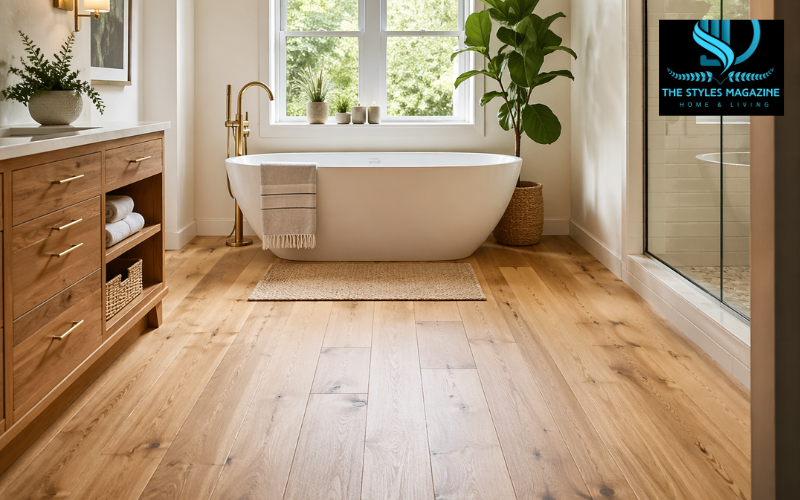
Wood flooring in bathroom spaces has long been considered a risky design choice. Bathrooms are naturally humid environments, and traditional wood is known to react to moisture. Still, many homeowners are drawn to the warmth, elegance, and natural beauty that wood flooring brings. Compared to cold tiles, wood creates a softer and more inviting feel, which is why it continues to gain popularity in modern bathroom design.
Today, the conversation has changed. Thanks to advancements in materials and installation techniques, wood flooring in bathroom settings is no longer an automatic “no.” Options like engineered hardwood, waterproof finishes, and wood-look alternatives have made it possible to enjoy the look of wood without the same level of risk. However, it still requires careful planning, the right materials, and proper maintenance to ensure long-term success.
Best Flooring Options
| Flooring Type | Water Resistance | Durability | Maintenance | Best For |
| Engineered Hardwood | Medium-High | High | Moderate | Most bathrooms |
| Waterproof Engineered Wood | High | High | Low-Moderate | Wet areas |
| Solid Wood | Low | Medium | High | Low-moisture bathrooms |
| Laminate | Medium | Medium | Moderate | Budget-friendly use |
| Wood-Look Tiles | Very High | Very High | Low | High-moisture bathrooms |
Is Wood Flooring in Bathroom a Good Idea Today?
The idea of using wood flooring in bathroom areas has evolved over the years. In the past, solid wood was often discouraged because it would expand, contract, and eventually warp when exposed to moisture. But modern materials have significantly improved the situation.
Engineered wood, for example, is designed with multiple layers that help stabilize the material, reducing the impact of humidity. Waterproof engineered options go even further by adding protective layers that resist water damage. These innovations have made it possible to safely install wood flooring in bathroom spaces under the right conditions.
However, it is not suitable for every situation. Bathrooms with poor ventilation, frequent water exposure, or heavy daily use may still pose challenges. The success of wood flooring in bathroom environments depends heavily on factors such as humidity levels, how often the space is used, and how well moisture is managed. A well-ventilated bathroom with proper sealing and care can support wood flooring, while a constantly wet environment may not.
Wood Flooring in Bathroom Pros and Cons
Choosing wood flooring in bathroom design comes with both advantages and drawbacks, and understanding both sides helps in making a smart decision.
One of the biggest benefits is the visual appeal. Wood adds warmth, texture, and a natural feel that tiles cannot easily replicate. It creates a spa-like atmosphere and can increase the overall value of a home. Many people also appreciate the comfort underfoot, especially during colder months.
On the other hand, wood is naturally sensitive to moisture. Even with modern treatments, it still requires more care than traditional bathroom flooring. Water can seep into joints if not properly sealed, leading to swelling or damage over time. Maintenance is also more demanding, as spills need to be cleaned quickly and the surface may need occasional refinishing.
Overall, wood flooring in bathroom spaces can work well when expectations are realistic. It offers style and comfort, but it requires attention and proper care to maintain its appearance and durability.
Best Types of Wood Flooring for Bathrooms
Not all wood flooring performs the same in a bathroom environment, which makes choosing the right type essential.
Engineered hardwood is widely considered the best option for bathrooms. Its layered construction makes it more stable than solid wood, reducing the chances of expansion and contraction. It also retains the authentic look of real wood because the top layer is made of natural timber.
Waterproof engineered wood takes things a step further by offering added protection against moisture. These products are designed specifically for areas where water exposure is more likely, making them a strong choice for bathrooms.
Solid wood flooring in bathroom settings is more challenging but not impossible. Dense hardwoods like oak or walnut can perform better than softer woods if they are properly sealed and maintained. However, they still carry more risk compared to engineered options.
Natural materials like teak and bamboo also stand out. Teak contains natural oils that help resist water, which is why it has been used in boat building for centuries. Bamboo, while technically a grass, is known for its strength and moderate resistance to moisture, making it a more sustainable alternative.
Laminate Wood Flooring in Bathroom: Is It Worth It?
Laminate wood flooring in bathroom spaces is often considered by homeowners looking for a more affordable option. It is designed to mimic the look of real wood while offering better resistance to everyday wear.
In terms of performance, laminate can handle some humidity, but it is not fully waterproof. If water seeps into the joints, it can cause swelling or damage over time. This means it is important to choose water-resistant laminate and ensure that it is installed with proper sealing.
The main advantage of laminate is its cost-effectiveness. It allows homeowners to achieve a wood-like appearance without the higher price of real wood. It is also relatively easy to install, which can make it appealing for quick renovations.
However, it is not the best choice for bathrooms with high moisture levels. It works better in spaces where water exposure is minimal and well controlled. When used carefully, laminate wood flooring in bathroom areas can be a practical option, but it requires attention to detail.
Wood Flooring in Bathroom Waterproofing Essentials
Waterproofing plays a crucial role in making wood flooring in bathroom spaces last longer. Without proper protection, even the best materials can fail over time.
Sealing is one of the most important steps. High-quality finishes like polyurethane or hardwax oil create a protective layer that prevents water from penetrating the surface. These coatings should be applied carefully and maintained over time to ensure continued protection.
Another key aspect is protecting the joints and edges. Water often enters through small gaps between planks, so sealing these areas is essential. Using moisture-resistant adhesives and proper installation techniques can help reduce this risk.
It is also important to understand that waterproofing is not a one-time solution. Regular checks and maintenance are needed to ensure that the protective layer remains effective. With the right approach, wood flooring in bathroom environments can stay in good condition for many years.
How to Install Wood Flooring in Bathroom the Right Way
Proper installation is just as important as choosing the right material. A well-installed floor is more likely to handle moisture and last longer.
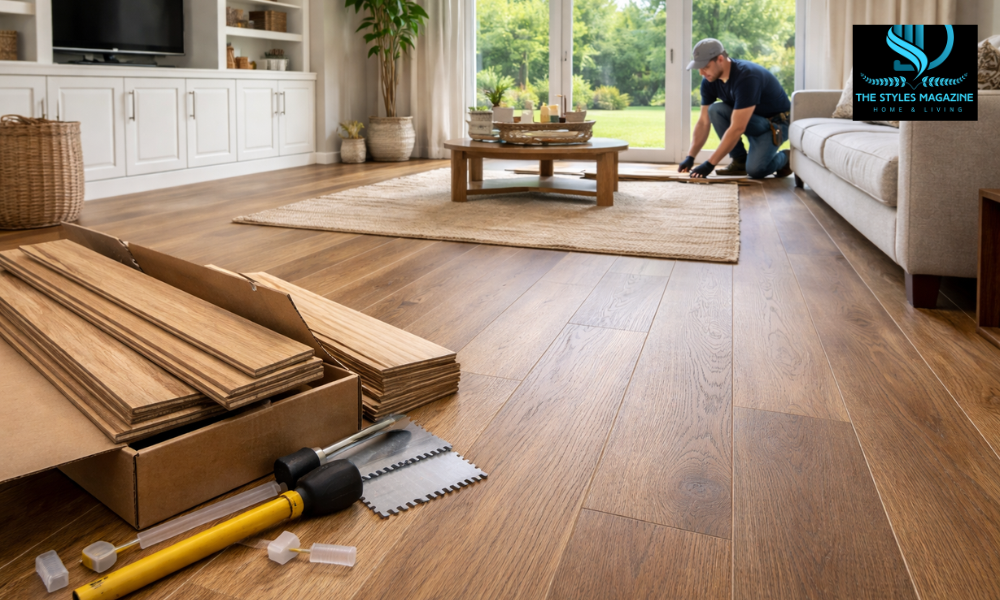
The process starts with preparing the subfloor. It needs to be clean, level, and dry before any installation begins. Any existing moisture issues should be addressed to prevent future problems.
Adding a moisture barrier is another important step. This layer helps protect the wood from moisture coming from below, which is especially important in bathrooms.
Spacing and sealing are also critical. Wood naturally expands and contracts, so leaving proper gaps allows for movement without causing damage. Sealing edges and joints further reduces the risk of water entering the structure.
Common mistakes include skipping the moisture barrier, using the wrong type of wood, or failing to seal the surface properly. Avoiding these errors can make a significant difference in how well the floor performs over time.
Design Inspiration: Wood Flooring in Bathroom Ideas
Wood flooring in bathroom design offers a wide range of creative possibilities. It can be used to create both modern and traditional looks, depending on the style and finish.
A modern bathroom often features light-toned wood paired with clean lines and minimal décor. This creates a bright and open feel that works well in contemporary homes. On the other hand, darker wood tones can add depth and a more classic appearance.
Mixing wood with other materials is another popular approach. Combining wood flooring with stone or tiles can create contrast and help manage moisture in high-risk areas like showers.
The choice of layout also plays a role. Straight planks create a simple and clean look, while patterns like herringbone or chevron add visual interest. These design choices allow homeowners to personalize their space while still enjoying the benefits of wood flooring in bathroom settings.
Small Bathroom with Wood Floor: Smart Design Tips
Using wood flooring in a small bathroom can make the space feel more open and inviting when done correctly. The right choices can enhance both style and functionality.
Lighter wood tones are often preferred in small spaces because they reflect more light and create a sense of openness. Narrow planks can also make the room appear larger by guiding the eye along the length of the floor.
Keeping the design simple helps avoid a cluttered look. Minimal fixtures, clean lines, and a consistent color palette allow the flooring to stand out without overwhelming the space.
When planned carefully, a small bathroom with wood floor design can feel both stylish and comfortable, proving that size does not limit creativity.
Bathroom with Wooden Floor Tiles: A Practical Alternative
For those who love the look of wood but want something more durable, wooden floor tiles offer a strong alternative. These are usually made from porcelain or ceramic and are designed to mimic the appearance of real wood.
One of the biggest advantages is their resistance to water. Unlike real wood, these tiles do not absorb moisture, making them ideal for bathrooms. They are also highly durable and require less maintenance over time.
While they may not provide the exact same feel as real wood, modern designs have become very realistic. Many options closely replicate wood grain and texture, making it difficult to tell the difference at a glance.
This makes wooden floor tiles a practical solution for homeowners who want the visual appeal of wood flooring in bathroom spaces without the added risk.
Maintenance Tips to Protect Wood Flooring in Bathrooms
Maintaining wood flooring in bathroom areas is essential for preserving its beauty and performance. Simple habits can make a big difference.
Daily care involves wiping up water spills quickly and keeping the surface dry. Even small amounts of standing water can cause damage if left for too long.
Managing humidity is also important. Proper ventilation, such as using exhaust fans or opening windows, helps reduce moisture levels and protect the floor.
Over time, the protective finish may wear down, so periodic refinishing may be needed. Regular checks can help identify any issues early and prevent more serious damage.
With consistent care, wood flooring in bathroom spaces can remain attractive and functional for years.
Conclusion
Wood flooring in bathroom design is no longer an impossible idea. With modern materials, improved waterproofing, and proper installation, it can be a practical and stylish choice. However, it is not completely risk-free and requires careful planning and ongoing maintenance.
Choosing the right type of wood, ensuring proper sealing, and managing moisture are all essential steps in making it work. For those who prefer a lower-maintenance option, alternatives like wood-look tiles can provide a similar appearance with added durability.
In the end, wood flooring in bathroom spaces is about balance. When done correctly, it offers warmth, beauty, and value, making it a rewarding choice for homeowners who are willing to care for it properly.
FAQs
Can You Really Use Wood Flooring In Bathroom Safely?
Yes, but only with proper materials like engineered wood and good waterproofing. It works best in well-ventilated bathrooms where water exposure is controlled and spills are cleaned quickly.
What Is The Best Wood Flooring For Bathroom Use?
Engineered hardwood is the best choice because it handles moisture better than solid wood. Waterproof engineered options offer even more protection, making them ideal for bathroom environments.
Is Laminate Wood Flooring In Bathroom A Good Option?
Laminate can work in low-moisture bathrooms, but it is not fully waterproof. If water seeps into joints, it may swell, so proper sealing and careful use are important.
How Do You Protect Wood Flooring In Bathroom Areas?
You can protect it by sealing the surface, using bath mats, ensuring proper ventilation, and cleaning water spills immediately. Regular maintenance helps extend the floor’s lifespan.
Are Wood-look Tiles Better Than Real Wood In Bathrooms?
Yes, wood-look tiles are more water-resistant and easier to maintain. They provide the appearance of wood without the risk of moisture damage, making them ideal for high-humidity spaces.
Enjoyed it? Find more exclusive content on The Styles Magazine.
Disclaimer: This article is for informational purposes only. Results may vary depending on materials, installation quality, and bathroom conditions. Always consult a professional before making major flooring decisions.