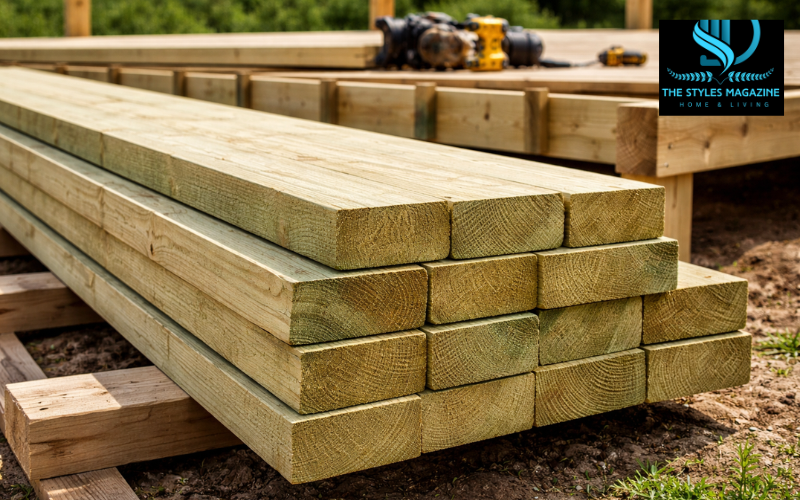
A 2x8x12 pressure treated board is one of the most commonly used pieces of lumber for outdoor construction. At first glance, the name may sound technical, but it simply describes a wood board that is nominally 2 inches thick, 8 inches wide, and 12 feet long, and has been treated to resist moisture, insects, and decay. This type of lumber is designed to survive harsh outdoor conditions where regular wood might quickly rot or weaken.
Many homeowners, builders, and DIY enthusiasts choose this board size because it offers a strong balance between strength and flexibility. It is wide and thick enough to support weight in structures like decks and retaining walls, yet still manageable for framing projects. The 12-foot length also makes it practical for spans that require fewer joints, which can improve stability and appearance.
One detail that often confuses new buyers is the difference between nominal size and actual size. While the board is sold as a 2×8, its real dimensions are usually around 1.5 inches thick and 7.25 inches wide. This is normal in modern lumber manufacturing and applies to most framing wood.
In this guide, you will learn what a 2x8x12 pressure treated board really means, how pressure treatment works, when to use different treatment levels, and how to choose the right board for your project. By the end, you should feel confident selecting the right lumber and using it safely and effectively.
2x8x12 Pressure Treated Overview
| Feature | Details |
| Nominal Size | 2 in × 8 in × 12 ft |
| Actual Size | Approx. 1.5 in × 7.25 in × 12 ft |
| Main Material | Pressure-treated softwood (often pine) |
| Common Uses | Deck joists, beams, retaining walls, ramps |
| Treatment Types | Ground Contact / Above Ground |
| Durability | Resistant to rot, insects, and moisture |
| Recommended Fasteners | Hot-dip galvanized or stainless steel |
| Typical Lifespan | 15–30+ years (with proper use & care) |
What 2x8x12 Pressure Treated Lumber Actually Means
The term 2x8x12 pressure treated describes both the size and the treatment of the board. The first two numbers refer to the nominal thickness and width, while the last number indicates the length in feet. However, wood is surfaced and finished at the mill, which reduces its real measurements. This means a typical board measures about 1.5 inches thick, 7.25 inches wide, and 12 feet long.
Understanding these dimensions is important for planning construction projects. Builders rely on standardized sizing so that framing, joist spacing, and structural measurements remain consistent across projects. If you plan a deck, for example, knowing the true size helps ensure proper spacing between boards and accurate load calculations.
The length of 12 feet is also significant. Longer boards reduce the need for joints and seams, which improves structural integrity. Fewer joints generally mean stronger builds and cleaner results. Whether you are working on deck framing or outdoor stairs, choosing the right size from the beginning helps prevent costly mistakes later.
In short, the label is more than just a name. It tells you how the board will fit into building plans and why it is commonly chosen for structural outdoor work.
How Pressure Treatment Works and Why It Matters
Pressure-treated lumber is designed to survive outdoor environments that would quickly damage ordinary wood. During manufacturing, boards are placed inside a sealed chamber where preservatives are forced deep into the wood fibers using pressure. This process allows the protective chemicals to penetrate beyond the surface, making the lumber more resistant to moisture and decay.
The main purpose of treatment is protection. Outdoor structures are constantly exposed to rain, humidity, soil contact, and insects. Untreated wood can absorb water, leading to swelling, cracking, mold, and rot. Termites and other insects may also damage untreated lumber over time. Pressure treatment helps prevent these problems, extending the lifespan of the wood significantly.
Modern treatment systems typically use copper-based preservatives that are considered effective and safer than older chemical methods. You may notice that some boards have a green or brown tint, which often comes from the preservative solution. While the color may vary, the goal remains the same — long-term durability in outdoor conditions.
Choosing a 2x8x12 pressure treated board means you are selecting lumber specifically designed to handle tough environments while maintaining strength and stability.
Ground Contact vs Above-Ground Ratings
Not all pressure-treated lumber is the same. One of the most important distinctions is between ground contact and above-ground ratings. These ratings tell you how much preservative has been added and where the board can safely be used.
Above-ground lumber is intended for projects that stay well away from soil and have good airflow. Deck railings or elevated framing may fall into this category. Ground-contact lumber, on the other hand, contains a higher concentration of preservatives. It is designed for areas where the wood may touch soil, remain damp, or experience poor drainage.
Knowing when to use ground-contact lumber is essential for safety and durability. Deck joists close to the ground, posts set near soil, and retaining wall components often require this higher treatment level. Using an above-ground board in these situations could lead to premature failure.
For long-term success, it is always better to match the treatment rating to the environment. The extra protection offered by ground-contact boards can greatly extend the life of a structure, especially in wet climates or shaded areas where wood dries slowly.
Common Grades and Quality Options Available
When shopping for a 2x8x12 pressure treated board, you will notice different grades listed on the label. These grades reflect the quality, appearance, and structural characteristics of the wood.
#1 grade boards usually have fewer knots, straighter grain patterns, and a cleaner appearance. They tend to be stronger and are often chosen for projects where both strength and visible finish matter. #2 grade lumber is more common and often more affordable. It may contain more knots or minor imperfections but still meets structural requirements for many building projects.
You may also see terms like “prime” or “standard.” Prime boards are typically selected for better appearance and consistency, while standard boards are more budget-friendly and suitable for hidden structural elements.
Choosing the right grade depends on your project. For framing that will not be visible, a standard #2 board may work perfectly. For exposed beams or visible structures, a higher-grade option can improve the final look while maintaining strength.
Typical Uses for a 2x8x12 Pressure Treated Board
A 2x8x12 pressure treated board is widely used because it combines strength, versatility, and durability. One of its most common applications is deck construction. Builders frequently use these boards for joists and framing because they can support significant weight while resisting outdoor exposure.
Beyond decks, these boards are also used as support beams or in structural framing where longer spans are required. Their thickness provides stability without becoming overly heavy or difficult to handle. In landscaping projects, they often appear in retaining walls or garden structures where moisture resistance is essential.
Waterfront or high-moisture environments also benefit from pressure-treated lumber. Docks, ramps, and outdoor walkways often rely on boards like these because untreated wood would deteriorate quickly under constant exposure to water.
For homeowners working on garden builds, pergolas, or stairs, this size offers a strong foundation that balances durability and ease of installation.
Fasteners and Hardware You Should Use
One detail many people overlook is the importance of using the correct fasteners with pressure-treated lumber. The chemicals used in treatment can react with regular steel screws or nails, causing corrosion and rust over time. This can weaken connections and reduce the lifespan of the structure.
To avoid this problem, builders typically choose hot-dip galvanized or stainless steel fasteners. These materials are designed to resist corrosion and maintain strength even when exposed to moisture and treatment chemicals.
Using the right hardware is just as important as choosing the right wood. A strong board can still fail if the fasteners weaken or rust away. Investing in proper screws, bolts, and connectors ensures that your project stays safe and stable for many years.
Pricing Factors and What Affects Cost
The price of a 2x8x12 pressure treated board can vary depending on several factors. One of the main influences is the type of wood species used. Southern yellow pine, for example, is widely available and often more affordable, while other species may carry a higher price due to availability or strength characteristics.
Treatment level also affects cost. Ground-contact boards usually cost more because they contain more preservative chemicals. Regional availability and local demand can also change pricing, which is why costs may differ between retailers or locations.
Another factor is buying quantity. Purchasing boards in bulk can sometimes reduce the price per piece compared to buying individual units. Seasonal demand also plays a role, as prices may rise during peak building months when construction activity increases.
Understanding these factors helps buyers plan budgets more accurately and choose the best value for their project.
Buying Tips: How to Choose the Right 2x8x12 Board
Selecting quality lumber starts with a careful inspection. Look for boards that are straight and free from excessive warping. Slight curves are normal, but severe bending can make installation difficult and affect the structure’s stability.
Moisture content is another important consideration. Pressure-treated lumber is often wet when purchased, which can lead to slight shrinking as it dries. Choosing boards that appear evenly treated and free from deep cracks is a good practice.
Reading treatment stamps and labels helps confirm whether the board is rated for ground contact or above-ground use. These markings provide essential information about how and where the lumber should be used.
Finally, think about the role the board will play in your project. Structural elements need consistent strength, so selecting boards with fewer defects can save time and prevent problems later.
Maintenance and Lifespan Expectations
One advantage of using a 2x8x12 pressure treated board is its long lifespan when properly maintained. In many outdoor environments, pressure-treated lumber can last for decades, especially when installed correctly and allowed to dry properly.
Maintenance does not need to be complicated. Keeping the structure clean and free of standing water helps reduce wear. Good airflow around the wood also prevents excess moisture buildup.
Many homeowners choose to seal or stain pressure-treated wood after it has dried. This step can improve appearance and provide additional moisture protection. While sealing is not always required, it can help maintain the wood’s look and reduce surface cracking over time.
With basic care, pressure-treated lumber remains reliable and strong for many years of outdoor use.
Mistakes to Avoid When Using 2x8x12 Pressure Treated Lumber
A common mistake is choosing the wrong treatment rating for the environment. Using above-ground lumber in areas close to soil or moisture can lead to early deterioration. Matching the board to its intended use is essential.
Another issue is using improper fasteners. Standard nails or screws may corrode quickly, creating weak points in the structure. Always use hardware designed for pressure-treated wood.
Poor installation practices can also reduce lifespan. Lack of ventilation, improper spacing, or trapping moisture against the wood may cause unnecessary damage. Taking time to plan installation correctly helps avoid costly repairs later.
Conclusion
A 2x8x12 pressure treated board remains one of the most practical and dependable choices for outdoor construction. Its combination of strength, standard sizing, and moisture resistance makes it suitable for everything from decks and framing to landscaping structures and docks.
Choosing the right treatment level, grade, and hardware plays a major role in how well your project performs over time. By understanding what the size means, how pressure treatment works, and how to select quality boards, you can build structures that stay safe and durable for years.
Whether you are a homeowner starting a DIY project or someone planning a larger build, making informed choices about pressure-treated lumber helps ensure better results and long-term confidence in your work.
FAQs — 2x8x12 Pressure Treated
What Is The Actual Size Of A 2x8x12 Pressure Treated Board?
The actual size is usually about 1.5 inches thick, 7.25 inches wide, and 12 feet long because lumber is planed after cutting.
Can I Use 2x8x12 Pressure Treated Wood Directly In The Ground?
Yes, but only if it is labeled ground-contact rated. Above-ground boards are not designed for soil contact.
How Long Does Pressure-treated Lumber Last Outdoors?
Depending on climate, installation, and maintenance, it can last 15–30 years or longer.
Do I Need Special Screws For Pressure-treated Lumber?
Yes. Use hot-dip galvanized or stainless steel fasteners to prevent rust and corrosion caused by treatment chemicals.
Is 2x8x12 Pressure Treated Good For Deck Framing?
Yes, it is one of the most common sizes used for deck joists and outdoor structural framing because of its strength and durability.
Disclaimer: This article is for informational and educational purposes only. Always follow local building codes, manufacturer recommendations, and professional guidance when selecting and installing structural lumber for any construction project.
Loved Reading This? Discover More Exclusive Stories And Updates At The Styles Magazine!